Introduction
In the highly competitive world of branding, a logo serves as the visual foundation of a company’s identity. Creating a timeless logo design is not just about being trendy; it’s about crafting something that endures the test of time and remains relevant as the company grows. In this article, we will explore expert tips that will guide you in designing logos that are not only innovative but also timeless.
Crafting a timeless logo design is crucial for establishing a memorable brand identity. Understanding the fundamentals of color theory, typography, and simplicity can significantly enhance your design’s impact. For inspiration, you can check out metallic foil mockup examples to see how different applications can elevate your logo.
Understanding Timelessness in Logo Design
What makes a logo timeless? At its core, a timeless logo is one that remains effective and recognizable regardless of changing trends in design. A successful logo will capture the essence of the brand it’s designed for, without falling victim to passing design fads. But how do you ensure that your logo design achieves timelessness?
- Simplicity: A simple design elicits a strong visual impact, making it easier for audiences to remember. It also ensures that the logo can be recognized and understood at a glance.
- Versatility: A logo must look good in various sizes and formats, whether it’s on a large billboard or a small business card. Versatility ensures that your logo will maintain its identity and effectiveness across a range of media.
- Relevance: The design should speak to the brand’s values and core message, ensuring it stays relevant to both the company and its audience over time. A logo that aligns with the brand’s mission and ethos will stand the test of time.
Start with Research and Strategy
Before jumping into the design phase, it’s crucial to invest time in research. Understand the brand deeply – its mission, values, and unique selling propositions. Analyze competitors and their logos to identify what works in the industry and what doesn’t. Insight into these elements will provide a solid foundation for developing a design brief that outlines the objectives and vision for the new logo.
Conducting Brand Analysis
Begin your process by conducting a thorough brand analysis. This involves interviewing key stakeholders, assessing the company’s history, and understanding the current positioning in the market. Knowing the brand’s strengths and weaknesses will inform your design choices.
Competitive Analysis
Studying competitor logos helps you understand the visual landscape of the industry. Identify what makes competitors’ logos successful or where they fall short. This understanding will help you design a logo that stands out while being aligned with industry standards.
The Design Process
With a clear understanding of the brand and its competitive landscape, the design process can begin. This phase involves brainstorming, sketching ideas, and experimenting with colors and typography.
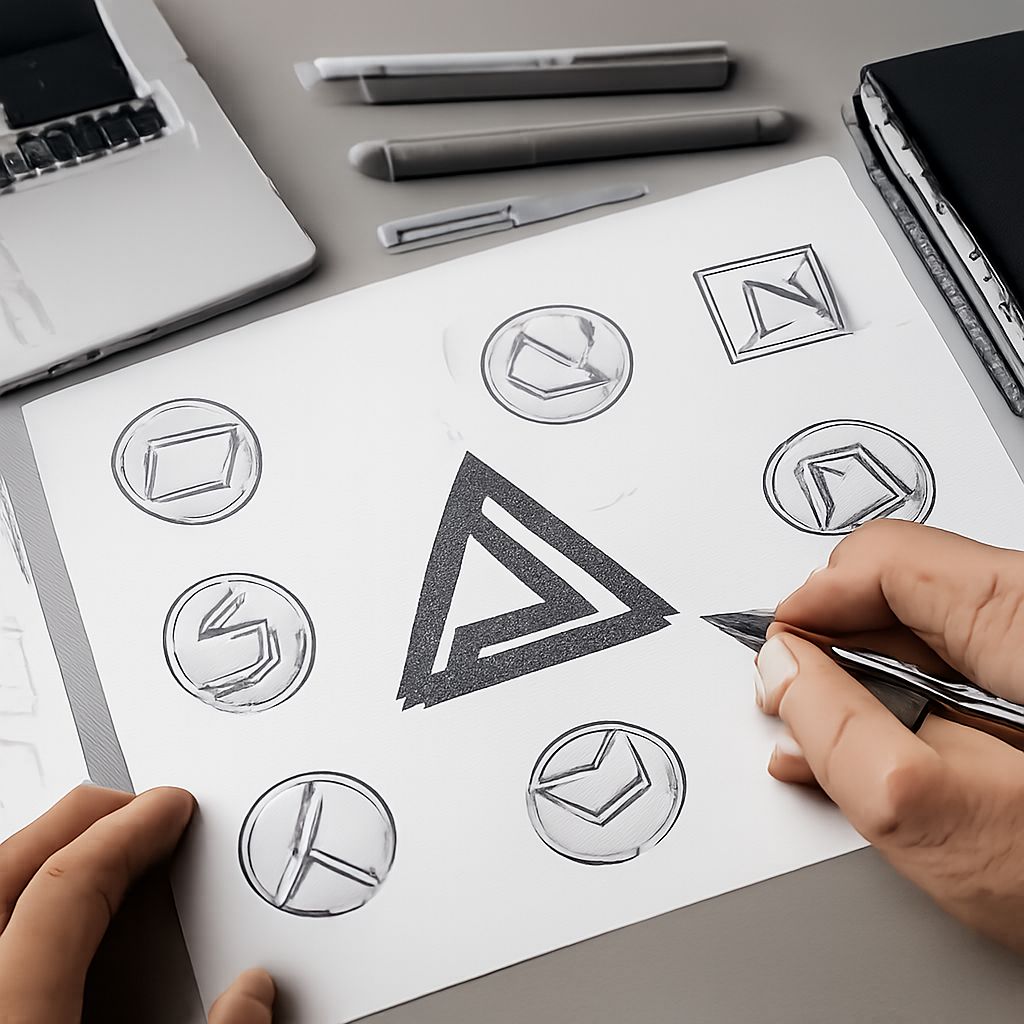
- Sketching: Start with rough sketches to allow creativity to flow without constraints, translating abstract ideas into tangible forms. Sketching is a vital step that helps in visualizing concepts and selecting the best ideas to refine.
- Choosing Typography: The font choice can dramatically affect a logo’s perception. Choose a font that complements the brand’s identity and tone. Consider whether a serif, sans-serif, or script font best represents the brand’s personality.
- Color Scheme: Select a palette that resonates with the brand’s message and connects emotionally with the target audience. Understand the psychology of colors and how they can affect branding strategy.
Brainstorming and Ideation
Begin with a broad brainstorming session where no idea is too outlandish. This encourages innovative thoughts and may spark a creative direction that you hadn’t considered. As you filter through these ideas, focus on concepts that are aligned with the brand’s mission.
Visual Elements and Symbolism
A logo often carries hidden meanings or symbolism that resonate with the brand’s ethos. Consider how shapes, icons, and lines contribute to the narrative your logo tells. The use of negative space can also add depth and intrigue to a design.
Testing and Refining
Once multiple drafts are ready, it’s time to test them in different contexts and gather feedback from various stakeholders. This is an iterative phase, involving revisions based on feedback until the design is perfected. Consider how the logo appears in both black and white and color versions, and test its adaptability across different backgrounds.
Feedback and Collaboration
Gathering feedback from a diverse group can provide new perspectives and highlight aspects of the design that may need improvement. Use this input to fine-tune the design, ensuring it meets all outlined objectives.
Final Adjustments
After incorporating feedback, make final adjustments to polish the design. Ensure all elements are aligned perfectly, colors are consistent, and the overall design maintains harmony. A meticulous approach to these details will enhance the logo’s professional appearance.
Emotional Connection Through Design
In addition to technical and visual considerations, emotional connection plays a vital role in creating a timeless logo. A well-designed logo will evoke emotions and connect with the audience on a deeper level, helping foster brand loyalty.
- Storytelling: Every logo tells a story. Whether it’s through color, typography, or form, your logo should narrate a tale that aligns with the brand’s mission and values.
- Aesthetic Appeal: Aesthetic refinement can significantly impact a viewer’s emotional response. Strive for a balanced, visually pleasing design that naturally attracts the eye.
Conclusion: Crafting a Timeless Legacy
Designing a timeless logo is an art that blends creativity with strategy. By prioritizing simplicity, versatility, and relevance, and by grounding your design process in thorough research and creativity, you can craft a logo that not only resonates today but will continue to represent the brand effectively in the future. Remember, a logo is more than an image; it’s the emblem of a brand’s identity, and its creation should be approached with care, insight, and innovation.
FAQ
Why is simplicity crucial in logo design?
Simplicity ensures that a logo is easily recognizable and memorable, providing a strong visual impact without overwhelming the audience. It helps in creating a design that is easily understood and appreciated at a glance, which is essential for effective branding.
How does versatility influence a logo’s longevity?
A versatile logo adapts to different mediums and sizes, from digital screens to print media, maintaining brand consistency across various platforms. This adaptability ensures that the logo remains effective and recognizable, no matter where it appears.
What role does color play in logo design?
Colors evoke emotions and help convey the brand’s message and tone to the target audience. Choosing the right colors is essential for establishing an emotional connection, and can influence perception and memory of the brand.
Why is it important to align typography with brand identity?
Typography affects how a brand is perceived. Aligning font styles with the brand’s identity ensures that the logo communicates the right message and fits with the overall brand image. The right font can enhance a logo’s impact, making it more memorable and distinctive.