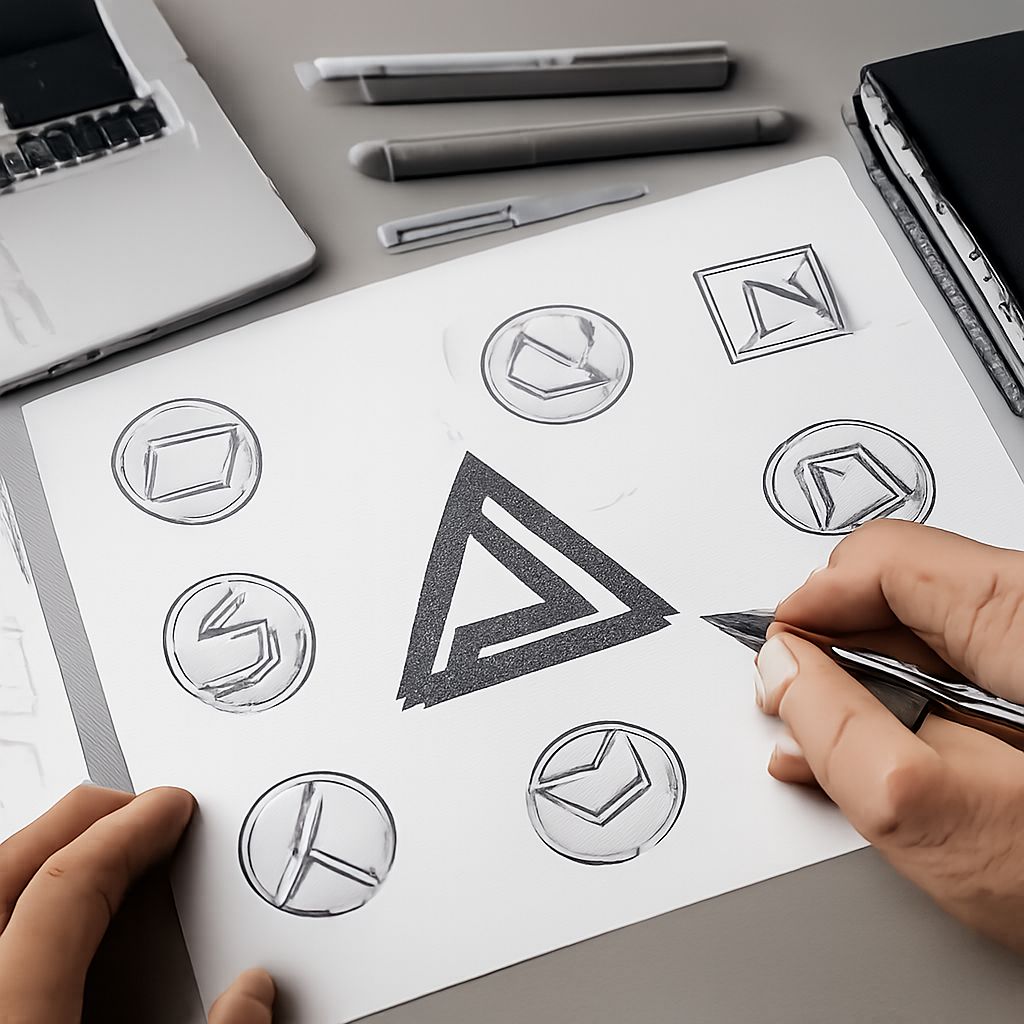
Introduction to Modern Logo Design
In the ever-evolving field of graphic design, creating a modern and impactful logo is both an art and a science. A logo is not just a symbol but a representation of a brand’s identity and values. With the rise of digital media, the importance of having a well-designed logo is more critical than ever. From social media platforms to online branding, a logo can dictate the first impression and is often the first thing a potential customer notices.
Mastering the art of modern logo creation involves understanding the principles of design while adapting to contemporary trends. A well-crafted logo not only represents a brand’s identity but also communicates its values succinctly. For those looking to enhance their design portfolio, utilizing high-quality DL brochure mockups can provide valuable context for showcasing your work.
The process of designing a logo involves creativity, thorough market research, and an understanding of brand ethos. This guide aims to equip you with the necessary skills and insights to master the art of modern logo creation. Whether you’re a seasoned designer or a novice, understanding the core principles of logo design will help you see how effective logos can drive the brand’s message home.
Understanding the Basics
Before delving into the design process, it’s important to understand what makes an effective logo. A good logo should be:
- Simple: It should be easy to comprehend and recognize, ensuring that it conveys the message at a glance. Simplicity often communicates the brand value more effectively as it leaves a more profound impact on the audience.
- Memorable: It should create a lasting impression. A strong logo remains in the customer’s mind long after they’ve seen it, establishing brand recognition and loyalty.
- Timeless: It should remain relevant through time and trends. Creating a timeless logo means steering clear of trends that quickly die out, ensuring the logo can endure through industry changes.
- Versatile: A logo should be functional across a variety of mediums and applications. This could mean that it looks as good on a huge billboard as it does on a tiny business card.
- Appropriate: The design should be suited to the intended audience and suitable for the brand’s industry, making it contextually relevant.
The Design Process
The journey of creating a logo involves several steps:
- Research: Understand the brand’s values, target audience, and industry trends. This involves analyzing competitors, assessing customer preferences, and delving into the company’s history and culture.
- Conceptualization: Start sketching ideas and exploring different design concepts. Brainstorming sessions can help with generating a pool of ideas; no concept is too far-fetched at this stage.
- Design: Bring your concepts to life using design software while focusing on balance and alignment. During this phase, create several different iterations and variations, playing with typography, color, and symbols.
- Feedback and Revision: Gather feedback and refine the logo to ensure it aligns with the brand’s message. Be receptive to constructive criticism and be prepared to make several revisions to hit the perfect note.
- Finalization: Ensure the logo meets all branding requirements, export it in versatile formats, and launch it across relevant platforms.
Tools and Techniques
Several tools can aid in modern logo creation:
Graphic design software like Adobe Illustrator and CorelDRAW are popular choices for creating vector logos, which are crucial for maintaining quality at any size. Vector graphics are resolution-independent, making them an industry standard for logo design.
Additionally, online tools such as Canva and Figma offer intuitive interfaces for beginners and professionals alike. Canva provides countless templates and assets that can be customized, whereas Figma excels at collaborative workspaces, allowing multiple team members to iterate on designs simultaneously.
Embracing Design Techniques
Understanding different design techniques can enhance your logo’s quality:
- Negative Space: Incorporate negative space in your logo to add hidden meanings and create a visual storytelling element.
- Minimalism: Adapt minimalistic design to remove excess elements, letting the core concept stand out.
- Geometric Shapes: Use geometric elements to instill a sense of balance and professionalism.
- Custom Typography: Don’t shy away from designing custom typography that echoes the brand’s personality.
- Scalability Testing: Ensure your logo maintains impact and recognizability in different sizes and formats, from print to digital interfaces.
FAQ
What makes a logo modern?
A modern logo typically embraces simplicity, boldness, and adaptability. It should align with current design trends while maintaining functionality across various media. Modern logos often incorporate clean lines, strategic use of typography, and a keen embrace of negative space.
How do I choose the right color palette?
Consider the brand’s personality and the emotions you want to evoke. Use color theory principles to create a harmonious and impactful palette. For example, blue can exude trust and reliability, whereas red might convey energy and excitement. It’s essential to balance the palette so it aligns with the brand’s ideals.
Should a logo be complex?
No, simplicity is key. A complicated logo can confuse the audience and be less memorable. Simplification helps in clear communication; the design should encapsulate the essence of the brand without overwhelming details.
How important is typography in a logo?
Typography plays a crucial role in conveying the brand’s voice and message. It should be chosen carefully to ensure readability and brand consistency. The right typeface can bridge the gap between visual impact and the brand’s identity, enhancing the overall effect of the logo.
Can I redesign an existing logo?
Redesigning an existing logo can be a smart move to modernize the brand’s image or refine the design. It’s important to maintain elements of familiarity to avoid alienating the current audience while updating the aspects that align with the evolving brand strategy and market trends.
Conclusion
Mastering the art of modern logo creation involves understanding the delicate balance between creativity and practicality. A well-designed logo is a cornerstone of effective branding, delivering the brand’s essence succinctly and memorably. By embracing the principles outlined in this guide and remaining adaptable to emerging trends, you can create logos that stand the test of time and resonate deeply with audiences. Logo design is both an exciting journey and an opportunity to contribute to the brand’s lasting legacy on the global stage.