Crafting memorable brands hinges on the art of logo design, where a striking image can convey a company’s values and mission in an instant. A well-crafted logo not only grabs attention but fosters a lasting impression, making it a pivotal element in brand identity. For those looking to enhance their marketing materials, such as tri-fold brochures, you can find inspiration for tri-fold brochures to complement your logo.
The Essentials of Logo Design
In the world of branding, a logo stands as the face of a company. It is the visual representation of a brand’s identity, values, and mission. Crafting a memorable logo involves more than just artistic flair; it requires a strategic approach to convey the essence of the brand. In this article, we delve into the art of logo design and explore its critical role in creating memorable brands.
A well-designed logo serves as a crucial tool for building brand recognition. Think of iconic logos like Nike’s swoosh or Apple’s bitten apple. Such logos are easily recognizable and instantly associate the brand with specific values or experiences. The challenge for designers is to encapsulate the core message of the brand into a simple, yet powerful visual symbol.
When approaching logo design, there are several key elements to consider:
- Simplicity: A successful logo should be simple enough to be easily recognizable at a glance. Complexity can lead to confusion and dilute the brand’s message.
- Relevance: The logo must align with the brand’s mission and values, making sure that it communicates the right message to the target audience.
- Versatility: A good logo should be adaptable across different mediums and sizes, ensuring consistent brand representation regardless of where it appears.
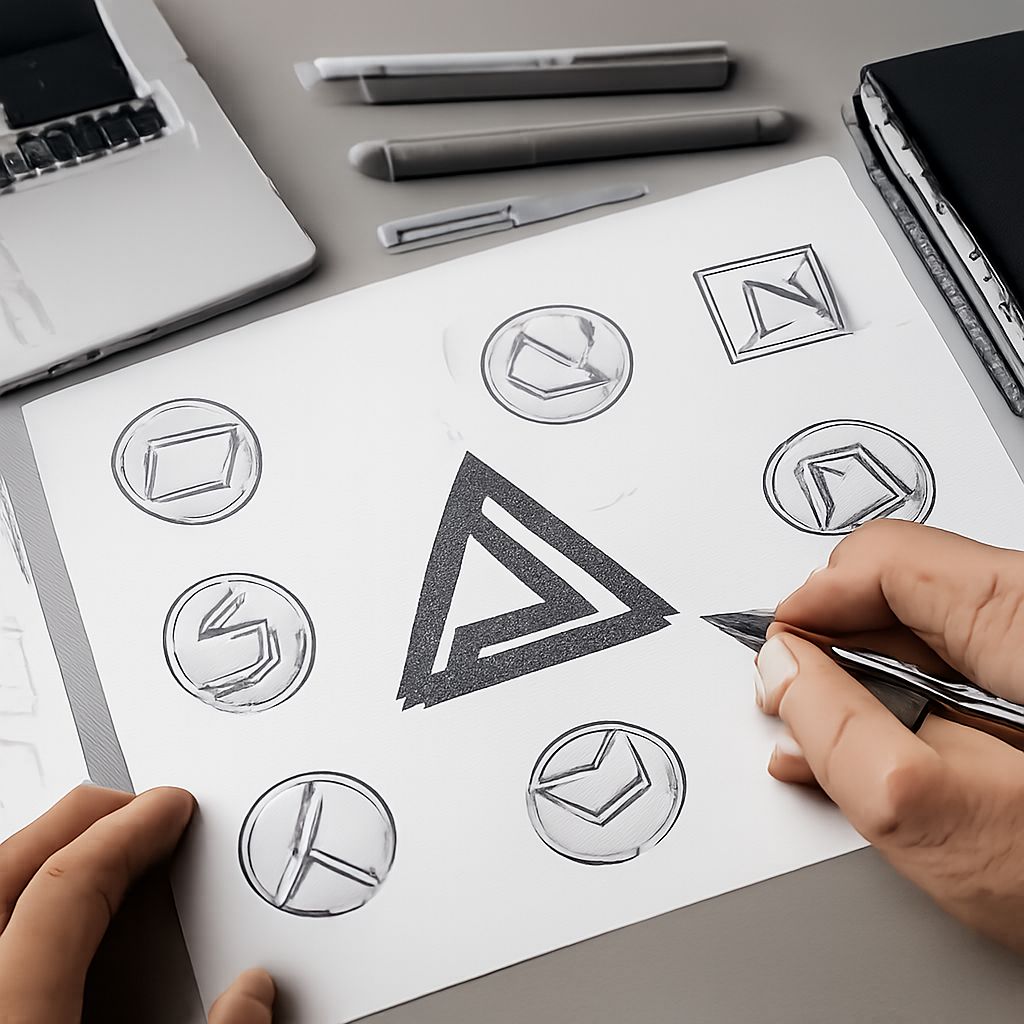
Designers often start by researching the industry, competitors, and the target market to create a logo that resonates well with its audience. Sketching ideas and creating several drafts lead to the perfect iteration that captures the brand’s soul.
The Psychological Impact of Logos
Beyond aesthetics and technical aspects, logos play a significant role in brand perception and consumer psychology. Colors and shapes in a logo can evoke certain emotions and associations. Understanding these psychological triggers allows designers to create logos that not only look great but also connect with their audience on a deeper level.
- Color Psychology: Different colors can evoke varied emotions. For instance, blue is often associated with trust and reliability, while red can signal excitement and passion.
- Shape and Typography: The shape of a logo can dramatically impact its perception. Angular shapes can convey confidence and strength, while curved shapes denote friendliness and warmth. Similarly, font choices can influence how a brand is perceived—whether as traditional, modern, or playful.
These psychological aspects ensure that a logo does more than catch the eye; it establishes an emotional connection with the consumer, fostering loyalty over time.
The Evolution of Logo Design
Over the years, logo design trends have evolved, reflecting changes in technology, culture, and consumer preferences. In the past, logos were often intricate, detailed works of art designed for print media. However, the digital age demands a new approach—logos must now be clear and impactful on screens of all sizes, from smartphone displays to giant billboards.
Modern logo design favors minimalism and flat design concepts, allowing for faster loading times on digital platforms and easier scalability. The move towards minimalism emphasizes strong concepts and clear communication, ensuring logos remain memorable without unnecessary complexity.
Logos and Brand Equity
Logos are not just artistic elements; they are integral to building brand equity. A well-crafted logo can enhance brand equity by increasing the brand’s perceived value and establishing credibility in the marketplace. Consistently integrating the logo across all aspects of branding, including packaging, advertising, and web design, strengthens consumer trust and recognition.
Moreover, a powerful logo can differentiate a brand in a competitive market, helping it stand out and make a lasting impression. By communicating the unique qualities and values of a brand effectively, logos contribute directly to customer retention and brand loyalty.
The Role of Culture and Globalization in Logo Design
As brands expand globally, understanding the cultural nuances and preferences of different markets becomes crucial in logo design. A symbol or color that resonates in one culture might carry a different meaning or even offend in another. Successful global brands often adapt their logos slightly to fit local markets while maintaining the core elements that make their brands recognizable.
Globalization has also resulted in more inclusive logo designs. Brands are more conscious of creating logos that cater to diverse audiences, ensuring that their designs do not alienate any demographic. This cultural sensitivity in logo design is crucial for brands looking to establish a strong presence in new markets.
Tools and Techniques for Modern Logo Design
Today’s designers have access to a plethora of tools and techniques that facilitate the logo creation process. Software like Adobe Illustrator and CorelDRAW are industry standards, providing a wide range of features for crafting detailed and scalable vector graphics. In addition to professional tools, numerous online platforms offer user-friendly interfaces for DIY logo creation, catering to startups and small businesses with limited budgets.
Design techniques have also evolved, with many designers integrating 3D elements, gradients, and motion graphics into logos to create a dynamic and modern look. Techniques such as responsive logo design ensure that logos adapt to varying screen sizes and devices, maintaining their impact no matter the context.
Case Studies: Iconic Logos and Their Impact
Examining successful logos provides valuable insights into effective design principles. Consider the McDonald’s golden arches, which exemplify simplicity and immediate brand recognition. Similarly, Google’s evolving logo design reflects the company’s innovation and adaptability in the tech industry. These icons teach us about the subtle art of maintaining an identity that is both flexible and universally recognizable.
Another example is the Coca-Cola logo, whose distinctive script and color have remained largely unchanged for over a century. Its consistency has helped it maintain a strong brand image, proving that sometimes, sticking to the basics can be a company’s greatest asset.
FAQ
What is the most important aspect of logo design?
A well-crafted logo balances simplicity, brand relevancy, and versatility. It should be instantly recognizable, align with the brand’s mission, and work across all platforms. This comprehensive approach not only strengthens brand identity but also ensures that the logo remains effective in diverse contexts and applications.
How often should a company redesign its logo?
While there’s no set timeline, a logo redesign might be necessary if the current one no longer represents the brand, appears outdated, or fails to resonate with the target audience. Regular evaluation ensures brand relevance and modernity. Companies should consider redesigning their logos to reflect significant changes in their market strategy, mergers, or shifts in consumer behavior.
Can a logo influence customer loyalty?
Yes, a strong logo can significantly influence customer loyalty by creating a visual memory associated with the brand’s values and experiences, effectively turning it into a symbol of trust and quality. Logos serve as a storytelling tool that encapsulates the brand’s narrative, shaping consumer perceptions and fostering an emotional bond over time.
What is the role of color in logo design?
Color plays a pivotal role in logo design as it can elicit emotional responses and shape perceptions. Choosing the right colors can enhance brand recognition and connect with the audience on a psychological level. Colors help to convey the brand’s essence and can even differentiate it in crowded markets, making informed color selection an essential strategy in logo design.