Introduction to Typography
Typography is an art form that encompasses the arrangement and style of text to make it not only legible but also aesthetically pleasing. It goes beyond the mere selection of fonts; it involves the thoughtful integration of text with the visual design, enhancing the overall impact of the message being conveyed. In design, typography is a powerful tool that can influence perception, engagement, and mood.
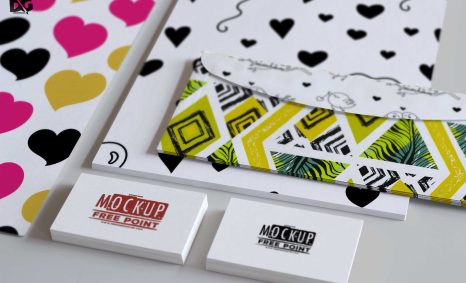
Typography is a fundamental aspect of design that can dramatically influence the perception of a brand or message. By mastering the art of fonts, designers can create compelling visual narratives that echo the essence of their work. For example, utilizing a postcard mockup for branding can effectively showcase how typography transforms communication.
The History of Typography
Typography has evolved significantly since its inception. The journey began with the creation of the first movable type by Johannes Gutenberg in the 15th century, which revolutionized the way information was disseminated. This innovation led to the mass production of books and the spread of literacy across Europe. As printing technology advanced, so did typography, with new typefaces being developed to meet the demands of various printing processes and artistic movements.
In the 20th century, typography underwent another transformation with the advent of digital technology. The rise of personal computers and design software made it possible for anyone to experiment with type, leading to an explosion of creativity and the development of thousands of new fonts.
Understanding Typeface vs. Font
Before delving deeper into typography, it’s important to clarify the often-misused terms ‘typeface’ and ‘font.’ A typeface is the design of the lettering, encompassing all its stylistic attributes, while a font is a particular size, weight, and style of a typeface. For example, Helvetica is a typeface, whereas Helvetica Bold 12pt is a font.
Categories of Typefaces
Typefaces are broadly categorized into several distinctive groups, each with its unique characteristics and historical significance:
Serif
Serif typefaces are characterized by small lines or strokes regularly attached to the end of a larger stroke in a letter or symbol. They are often associated with tradition and reliability. Common serif fonts include Times New Roman, Garamond, and Baskerville.
Sans Serif
Sans serif typefaces do not have the additional strokes found in serif typefaces. They are regarded as more modern and are used for their clean, minimalist aesthetic. Popular sans serif fonts include Arial, Helvetica, and Futura.
Script
Script typefaces mimic the fluid strokes of handwriting. These typefaces can range from elegant, flowing, and formal to casual and playful. Script fonts are often used for invitations, greeting cards, and branding that require a personal touch. Examples include Brush Script, Pacifico, and Lobster.
Display
Display typefaces are designed primarily for decorative purposes. They tend to be more eccentric and are used for headlines and titles to draw attention. Examples include Impact, Cooper Black, and Comic Sans.
Monospaced
Monospaced typefaces allocate equal horizontal space to each character. Originally used in typewriters, they are valued for their uniformity and are often used in coding environments. Courier New and Consolas are examples.
The Anatomy of Typography
Understanding the anatomy of type is crucial for mastering typography. Here are some essential terms:
- Baseline: The line upon which most letters sit.
- Cap Height: The height from the baseline to the top of the capital letter.
- X-height: The height of the body of lowercase letters.
- Ascender: The part of a letter that extends above the x-height.
- Descender: The part of a letter that extends below the baseline.
The Importance of Typography in Design
Typography is not just about making text readable; it is about creating a visual hierarchy and guiding the reader’s eye across the page. Good typography can set the tone of your communication, convey emotions, and enhance the overall look of your design. It’s used in branding to create a connection between the audience and the message.
Typography and Readability
Readability is a key component of effective typography. Factors that influence readability include:
- Font Size: Ensuring text is large enough to be read comfortably.
- Line Length: Keeping lines of text to an optimal length to prevent eye strain.
- Line Spacing: Adequate spacing between lines to enhance legibility.
Choosing the Right Typeface
Selecting the appropriate typeface for your project is crucial. Consider your audience, the context, and the message you wish to convey. A formal document may benefit from a serif font, while a tech startup might opt for a sleek, modern sans serif.
Combining Typefaces
Combining typefaces can create visual interest, but it requires careful consideration to avoid clashes. Pairing a serif with a sans serif is a common technique for balance and contrast. Limit the number of typefaces to two or three for coherence.
Conclusion
Mastering typography is essential for any designer. It is the art of communication and can greatly impact the effectiveness of your design. By understanding typography’s history, anatomy, and categories, and by applying principles of readability, typeface selection, and combination, you can enhance your design projects and convey messages more powerfully.
FAQ
What is typography?
Typography is the art and technique of arranging type to make written language legible, readable, and visually appealing when displayed.
Why is typography important in design?
Typography is crucial in design because it helps convey the message, sets the tone, enhances readability, and can significantly affect how an audience perceives the content.
What are the different types of fonts?
The main types of fonts include serif, sans-serif, script, monospace, and display fonts, each serving different purposes and conveying different feelings.
How do I choose the right font for my project?
Choosing the right font involves considering the project’s purpose, the target audience, readability, and the emotional tone you wish to convey.
What are some common typography mistakes to avoid?
Common typography mistakes include using too many fonts, poor line spacing, incorrect font pairing, ignoring hierarchy, and not considering readability.
How can I improve my typography skills?
Improving typography skills can be achieved through practice, studying design principles, analyzing successful designs, experimenting with different fonts, and seeking feedback from experienced designers.