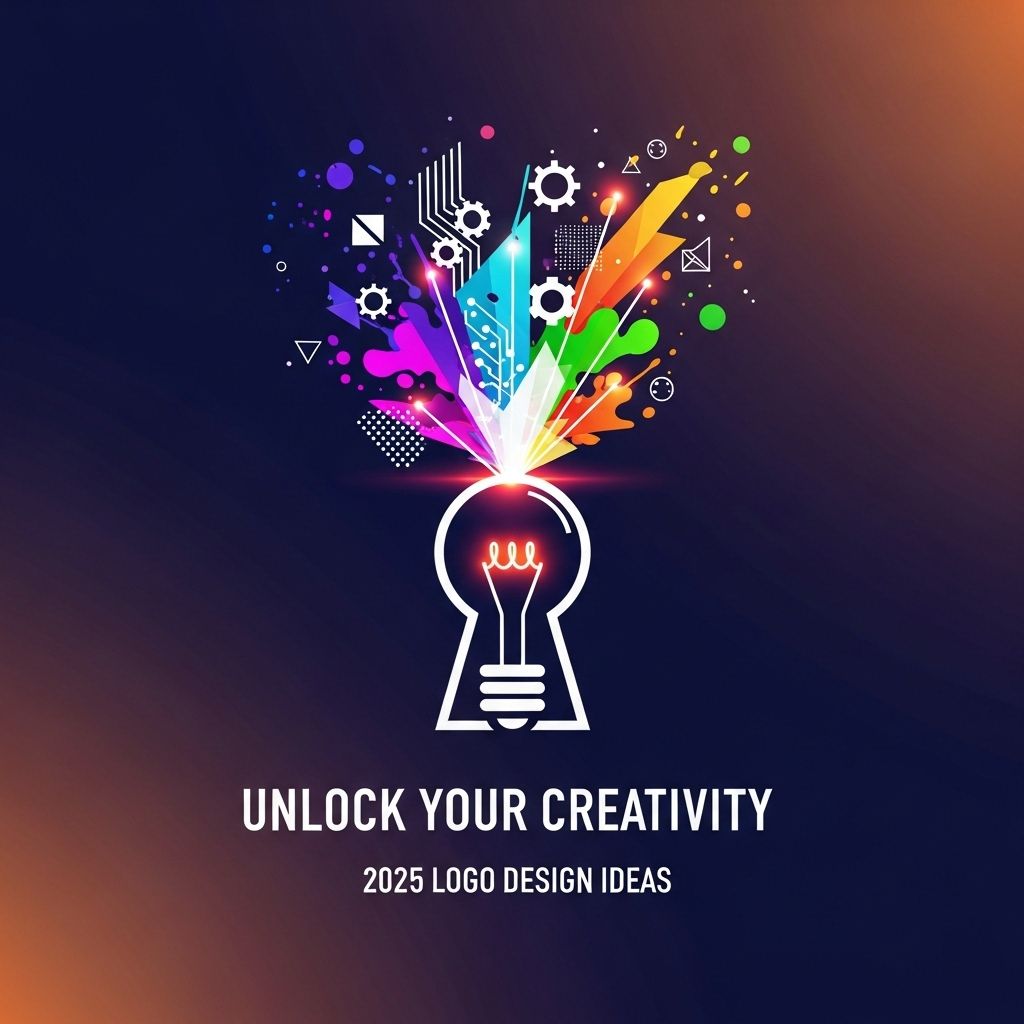
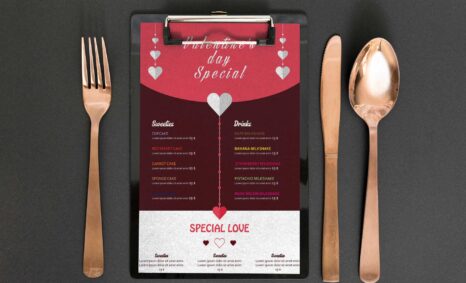
In the realm of graphic design, creativity knows no bounds. With the rise of artificial intelligence, designers are granted unprecedented tools to enhance their work and bring innovative ideas to life. One exciting application of AI in design is the generation of stunning posters. This article delves into various creative prompts that can be utilized to inspire AI-generated poster designs, offering practical examples and techniques that resonate with tech-savvy creators.
Creative AI prompts can transform the way we design stunning posters, offering fresh ideas and innovative layouts that elevate visual communication. By leveraging artificial intelligence, designers can explore unique concepts and automate time-consuming tasks, allowing for greater focus on creativity. For inspiration, check out some website mockup examples that showcase the potential of these tools.
Understanding the Role of AI in Design
Artificial intelligence has transformed many industries, including graphic design. It can analyze vast amounts of data, recognize patterns, and even generate visual content based on prompts. By leveraging AI, designers can:
- Enhance their creativity with unique ideas.
- Save time on repetitive tasks.
- Explore new styles and techniques effortlessly.
Types of AI in Graphic Design
Several types of AI technologies are currently utilized in graphic design:
- Generative Adversarial Networks (GANs): These networks can create images from scratch, often producing visually stunning results.
- Neural Style Transfer: This technique allows a photo to take on the artistic style of another image.
- Image Recognition: AI can understand and categorize images, making it easier to curate design elements.
Creative AI Prompts for Poster Design
Here are some engaging prompts that can inspire stunning poster creations through AI:
1. Nature and Technology Blend
Prompt: “Create a poster that merges elements of nature with technology. Think of a futuristic city integrated with lush greenery.”
2. Abstract Concepts Represented Visually
Prompt: “Design a poster that visually represents the concept of ‘time’. Use abstract shapes and colors to convey its essence.”
3. Cultural Fusion
Prompt: “Generate a poster that celebrates fusion cuisine. Combine traditional dishes from two different cultures into a cohesive visual format.”
4. Vintage Meets Modern
Prompt: “Imagine a vintage travel poster for a modern-day destination. Blend retro design elements with current cityscapes.”
5. Emotional Expressions
Prompt: “Create a poster that depicts different emotions using colors and shapes. Each section should represent a different feeling.”
Techniques for Effective Poster Design
To elevate your poster designs created with AI, consider the following techniques:
Color Theory
Colors evoke emotions and set the tone of your design. Here are some commonly used color associations:
| Color | Emotion |
|---|---|
| Red | Passion, energy |
| Blue | Calm, trust |
| Green | Nature, tranquility |
| Yellow | Happiness, optimism |
Typography
Selecting the right font is crucial in conveying your message. Use these guidelines:
- Choose legible fonts for readability.
- Mix serif and sans-serif fonts for contrast.
- Limit the number of different fonts to maintain coherence.
Finding Inspiration for AI Prompts
While the prompts above can kickstart your creativity, finding additional inspiration can further enhance your design process. Here are some sources to consider:
1. Design Communities
Platforms such as Behance and Dribbble showcase a plethora of creative works from diverse designers, making them excellent resources for inspiration.
2. Social Media
Instagram and Pinterest are filled with visual ideas. Use hashtags related to design and graphic art to discover trending styles.
3. Online Courses and Tutorials
Websites like Skillshare and Udemy offer courses on design principles and AI tools that can enhance your understanding and skill set.
Challenges and Considerations
While utilizing AI for poster design presents exciting opportunities, there are challenges to be mindful of:
Ethical Considerations
AI-generated designs can raise questions about originality and authorship. Consider the following:
- Always credit sources and inspirations.
- Be aware of copyright issues associated with AI-generated images.
Quality Control
AI tools might not always produce the desired quality. It’s essential to:
- Review and refine AI outputs.
- Combine AI-generated content with manual adjustments for a polished look.
Conclusion
Incorporating AI into graphic design, specifically in creating stunning posters, opens a world of possibilities for designers. By leveraging creative prompts, understanding design principles, and being aware of potential challenges, you can effectively harness the power of AI to elevate your creative projects. The fusion of technology and artistry not only enhances your design capabilities but also inspires a more innovative approach to visual communication.
FAQ
What are creative AI prompts for poster design?
Creative AI prompts are imaginative suggestions or themes generated by artificial intelligence that can inspire unique and visually appealing poster designs.
How can I use AI prompts to create stunning posters?
You can use AI prompts by inputting them into design software or AI art generators to produce visuals that align with your chosen theme, enhancing creativity and originality.
What types of themes can I explore with AI-generated prompts?
You can explore a variety of themes such as nature, abstract art, motivational quotes, retro styles, and modern aesthetics, tailored to your target audience.
Are there specific tools for generating AI prompts for posters?
Yes, there are several tools and platforms, like Canva, Adobe Spark, and AI art generators like DALL-E, that can help create prompts and design stunning posters.
Can I combine multiple AI prompts for a single poster?
Absolutely! Combining multiple AI prompts can lead to innovative designs that merge different styles and concepts for a more dynamic poster.
How do I ensure my poster is visually appealing using AI prompts?
To ensure visual appeal, focus on color harmony, typography, and layout while using AI prompts as a foundation to guide your creative process.