In recent years, artificial intelligence has revolutionized numerous fields, and art is no exception. The integration of AI in the creative process has opened up new avenues for artists, allowing them to explore uncharted territories and express their creativity in innovative ways. Whether you are a seasoned artist or a beginner, understanding how to harness the power of AI can elevate your artwork to new heights. This article delves into various methods and tools to help you create stunning art using AI technologies.
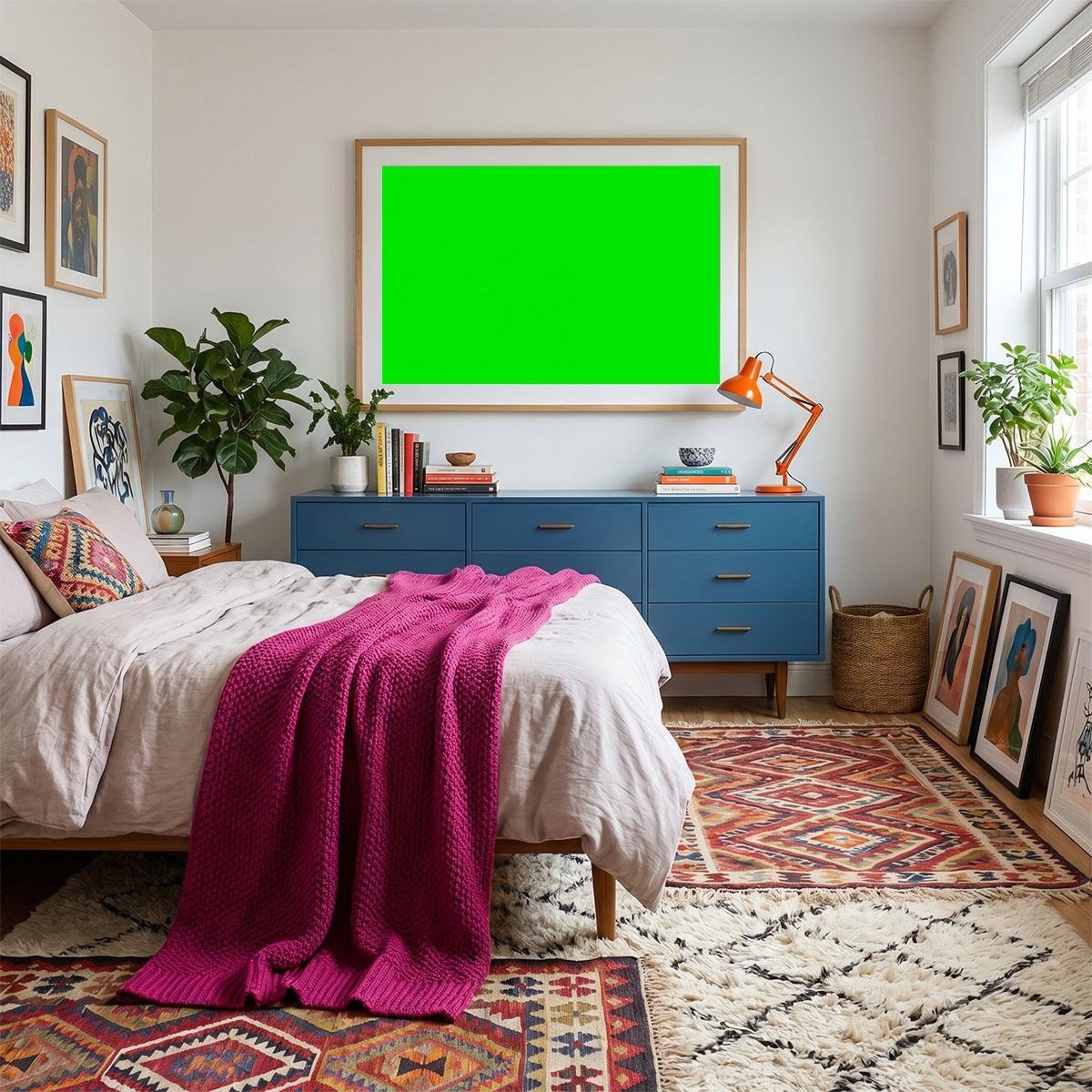
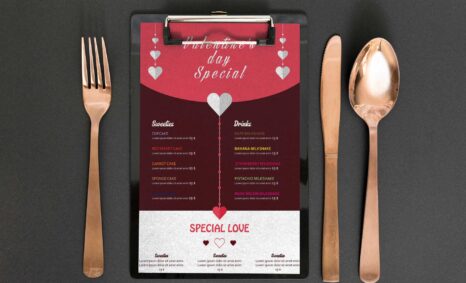
Creating stunning art using AI techniques opens up a world of possibilities for artists and designers alike. By leveraging advanced algorithms and tools, you can generate unique visuals that push the boundaries of creativity. To enhance your projects, consider using resources like download mug mockups for free to showcase your designs effectively.
Understanding AI in Art
Before diving into the practical applications, it’s essential to grasp what AI art entails. AI-generated art refers to artwork created with the assistance of algorithms, machine learning, and neural networks. These technologies analyze vast data sets and can produce images, music, and even poetry based on learned patterns.
The Evolution of AI Art
The journey of AI in art has been exhilarating, marked by significant milestones:
- Early Experiments: In the 1960s, artists began exploring computer-generated art, but it wasn’t until the 2010s that AI truly gained traction.
- Deep Learning: Advances in deep learning and neural networks enabled machines to learn from data, paving the way for more sophisticated art creation.
- Notable Works: AI has produced acclaimed pieces, such as the portrait ‘Edmond de Belamy,’ which sold for $432,500 in 2018.
Tools for Creating AI Art
There are several AI tools available that cater to both amateur and professional artists. Here’s a rundown of popular options:
1. DeepArt
DeepArt uses neural networks to transform your photos into artworks inspired by famous painters. The process is simple:
- Upload a photo.
- Select an art style (e.g., Van Gogh, Picasso).
- Let the AI work its magic!
2. Runway ML
This platform is tailored for creatives looking to push boundaries. It offers tools for video, 3D modeling, and image generation, allowing users to create interactive installations.
3. Artbreeder
Artbreeder combines images and lets you blend different styles to create unique artworks. It employs a genetic algorithm to facilitate the mixing of images, resulting in stunning hybrid art.
4. DALL-E 2
Developed by OpenAI, DALL-E 2 generates images from textual descriptions. This tool is perfect for artists seeking to visualize concepts that may not exist yet.
Creating Your First AI Artwork
Now that you’re familiar with some tools, let’s walk through the process of creating your first AI artwork:
Step 1: Choose Your Tool
Depending on your comfort level and the type of artwork you want to create, select one of the tools mentioned above.
Step 2: Gather Inspiration
Inspiration is crucial for any artist. You might consider:
- Browsing art galleries.
- Exploring nature.
- Using social media platforms like Pinterest for visual ideas.
Step 3: Prepare Your Inputs
For most AI tools, you will need to provide base inputs:
- A high-quality image (for styles like DeepArt).
- A descriptive text prompt (for DALL-E 2).
Step 4: Generate Art
Follow the prompts in your chosen tool to generate the artwork. Experiment with different styles or iterations to find what resonates most with you.
Step 5: Refine and Edit
Once you have your AI-generated piece, consider refining it using traditional editing software like Adobe Photoshop or GIMP. This step allows you to add personal touches and enhance the final product.
Exploring AI Art Styles
AI can help you experiment with various art styles, including:
| Style | Description | Notable Artists |
|---|---|---|
| Surrealism | Dream-like scenes with bizarre elements. | Salvador Dalí, René Magritte |
| Abstract | Focus on color and shapes rather than recognizable subjects. | Pablo Picasso, Wassily Kandinsky |
| Impressionism | Capturing light and color with loose brushwork. | Claude Monet, Edgar Degas |
| Street Art | Urban art that often contains social messages. | Banksy, Jean-Michel Basquiat |
The Future of AI in Art
As technology advances, the future of AI in art looks promising. Here are some trends to watch:
- Collaboration: More artists will collaborate with AI to create hybrid works.
- Accessibility: AI tools will become more user-friendly, allowing even those without technical backgrounds to create art.
- New Art Forms: Expect to see the emergence of entirely new art forms that blend traditional techniques with AI capabilities.
Ethical Considerations in AI Art
While AI art is exciting, it also raises ethical questions:
1. Attribution
Who should be credited for an AI-generated piece—the artist, the programmer, or the AI itself?
2. Copyright Issues
As AI learns from existing works, concerns arise regarding intellectual property rights.
3. Authenticity
What does it mean for an artwork to be authentic in the age of AI?
Conclusion
The intersection of technology and creativity is an exhilarating space to explore. As AI continues to evolve, artists have a unique opportunity to redefine their practices and push the boundaries of what art can be. Embrace these tools, experiment fearlessly, and who knows? You might just create the next masterpiece using AI.
FAQ
What tools can I use to create art with AI?
There are several tools available for creating art with AI, such as DeepArt, Artbreeder, and DALL-E. Each provides unique features for generating stunning visuals.
Do I need any artistic skills to create AI art?
No, you don’t need advanced artistic skills to create AI art. Many AI art platforms are user-friendly and allow anyone to experiment with art creation.
Can AI art be used for commercial purposes?
Yes, AI art can be used for commercial purposes, but it’s important to check the licensing agreements of the specific AI tool you are using.
How does AI generate art?
AI generates art through algorithms that analyze existing artworks and use machine learning to create new images based on learned styles and patterns.
Is AI-generated art considered original work?
The originality of AI-generated art can be complex. It often depends on the input data and the algorithms used, raising discussions about authorship and copyright.
What are some popular styles of AI-generated art?
Popular styles of AI-generated art include abstract, surrealism, impressionism, and photorealism, each offering unique aesthetics and creative possibilities.