Starting an Amazon FBA (Fulfillment by Amazon) business can seem daunting, but with the right approach, it can become a profitable venture. With millions of products sold on Amazon every day, the potential for success is vast. This article will guide you through the essential steps to launch your own Amazon FBA business, providing insights and tips that can help you navigate this exciting opportunity.
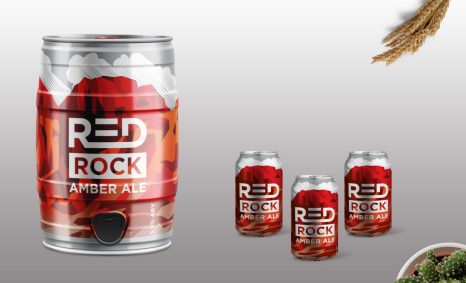
Are you ready to dive into the world of e-commerce? Kickstart your Amazon FBA business today by leveraging free resources that can help elevate your product presentations, like the ability to discover creative mug mockups. Setting up your store with attractive visuals can make a significant difference in attracting customers.
Understanding Amazon FBA
Amazon FBA is a service that allows sellers to store their products in Amazon’s fulfillment centers. Amazon handles storage, packaging, and shipping, as well as customer service and returns. This allows sellers to focus on sourcing and marketing their products, rather than logistics.
Benefits of Using Amazon FBA
- Prime Eligibility: Products sold via FBA are eligible for Amazon Prime, which can significantly increase sales.
- Increased Trust: Buyers often trust Amazon’s fulfillment services, improving the likelihood of purchase.
- Time Savings: Outsourcing storage and shipping frees up time for sellers to grow their business.
Research and Planning
Before jumping into product selection, it’s vital to conduct thorough market research to understand what products are in demand.
Identifying Profitable Products
- Using Tools: Leverage tools such as Jungle Scout, Helium 10, or AMZScout to analyze product demand, competition, and profitability.
- Analyzing Trends: Explore trending products on Google Trends and social media platforms to identify potential market gaps.
- Considering Seasonality: Think about seasonal items that could be lucrative during specific times of the year.
Analyzing the Competition
Assessing competitors can help you understand the landscape of your chosen niche:
- Examine their product listings, reviews, and pricing strategies.
- Identify gaps in their offerings that you can exploit.
- Look for ways to improve upon their product quality or presentation.
Sourcing Your Products
Once you’ve identified a profitable product, the next step is sourcing it. You have a few options:
Finding Suppliers
| Supplier Type | Examples | Pros | Cons |
|---|---|---|---|
| Manufacturers | Alibaba, Global Sources | Lower costs, custom branding | Minimum order quantities, longer lead times |
| Wholesalers | Wholesale Central, SaleHoo | No minimum orders, quicker shipping | Higher costs, less control over branding |
| Local Suppliers | Local trade shows, directories | Lower shipping costs, supporting local business | Limited product variety, potentially higher costs |
Creating Your Amazon Seller Account
To start selling, you need to create an Amazon Seller account. You can choose between two types:
- Individual Plan: Suitable for beginners selling fewer than 40 items a month. There’s no monthly fee, but Amazon takes a fee per sale.
- Professional Plan: Ideal for those planning to sell more than 40 items a month. There’s a monthly subscription fee, but lower fees per item sold.
Setting Up Your Product Listings
Crafting your product listings is crucial for visibility and conversion. Here are key components:
Optimizing Product Titles
Your title should include the primary keywords that customers are likely to search for. Keep it clear and concise.
Product Descriptions and Features
Incorporate bullet points for features and a compelling description that conveys the benefits of your product. Use SEO techniques to improve search visibility.
High-Quality Images
Images should be clear and professional. Consider showing your product from multiple angles, and include lifestyle images that depict the product in use.
Marketing Your Products
Once your listings are live, it’s time to promote your products to drive sales.
Advertising on Amazon
Amazon offers several advertising options:
- Sponsored Products: Ads that promote individual listings.
- Sponsored Brands: Ads that promote your brand and product portfolio.
- Amazon Stores: A customizable storefront for your brand.
Leveraging Social Media
Utilize platforms like Instagram, Facebook, and Pinterest to reach potential customers:
- Create Engaging Content: Showcase your products with attractive visuals.
- Influencer Partnerships: Collaborate with influencers in your niche to reach a wider audience.
Managing Your Business
Once your business is up and running, effective management is key to sustained success.
Monitoring Performance
Use Amazon’s analytics tools to keep track of your sales performance, traffic, and conversion rates. Adjust your strategies based on the data you collect.
Handling Customer Feedback
Customer reviews are vital. Encourage satisfied customers to leave positive feedback and promptly address negative reviews. This can significantly impact your sales.
Scaling Your Business
Once you have established your Amazon FBA business, consider strategies for growth:
Diversifying Your Product Line
Look for opportunities to expand your offerings based on customer feedback and market trends.
Automating Operations
As your business grows, consider investing in software solutions to automate tasks such as inventory management and customer communications.
Conclusion
Starting an Amazon FBA business requires careful planning, research, and execution. By understanding the key components of launching and managing your business, you position yourself for success in the competitive world of e-commerce. Stay informed, adapt to market changes, and continuously strive for improvement as you embark on this exciting journey.
FAQ
What is Amazon FBA and how does it work?
Amazon FBA (Fulfillment by Amazon) is a service that allows sellers to store their products in Amazon’s fulfillment centers. Amazon then handles storage, packaging, shipping, and customer service on behalf of the sellers.
What are the steps to start an Amazon FBA business?
To start an Amazon FBA business, begin by researching profitable product ideas, creating an Amazon seller account, sourcing your products, creating listings, and optimizing your inventory for sales.
How much does it cost to start an Amazon FBA business?
The cost to start an Amazon FBA business can vary widely, but you should budget for product sourcing, Amazon fees, shipping costs, and marketing expenses. Initial investments can range from a few hundred to several thousand dollars.
What are the best products to sell on Amazon FBA?
The best products to sell on Amazon FBA are those that have high demand and low competition. Conduct thorough market research using tools like Jungle Scout or Helium 10 to identify trending products.
How can I optimize my Amazon FBA listings for better sales?
To optimize your Amazon FBA listings, focus on using relevant keywords in your titles and descriptions, high-quality images, competitive pricing, and gathering positive reviews from customers.
What are the common challenges faced by Amazon FBA sellers?
Common challenges for Amazon FBA sellers include managing inventory levels, dealing with competition, handling fees, and navigating Amazon’s policies and guidelines.