Creating product descriptions that not only inform but also captivate potential buyers is an essential skill in today’s e-commerce landscape. As the digital marketplace becomes increasingly crowded, standing out through persuasive writing is crucial. From the words you choose to the features you highlight, every element counts in steering a customer toward making a purchase. In this article, we will explore various strategies, formats, and techniques for writing product descriptions that effectively sell.
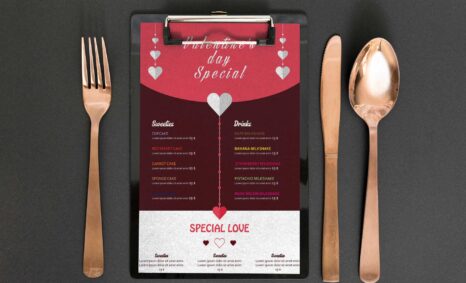
Crafting compelling product descriptions is essential for driving sales and engaging customers. By highlighting the unique features and benefits of your product, you can create a connection that resonates with your audience. For inspiration, explore our premium mockups to visualize your offerings effectively.
Understanding Your Audience
Before diving into the specifics of writing product descriptions, it’s vital to understand who your target audience is. Knowing your potential customers allows you to tailor your language, tone, and content to resonate with them. Here are some steps to identify your audience:
- Market Research: Conduct surveys, interviews, or focus groups to gather insights.
- Analyze Customer Data: Use analytics tools to study customer demographics and purchasing behavior.
- Build Buyer Personas: Create personas based on your findings to visualize and understand your audience better.
The Anatomy of a Great Product Description
1. Compelling Headline
The headline is the first thing a customer sees. It should grab attention and make the reader want to learn more. Use power words and make sure it clearly states what the product is.
2. Highlight Key Features
Present the product’s main features succinctly. Bullet points often work well here, allowing customers to scan the information quickly. For example:
| Feature | Description |
|---|---|
| Material | High-quality, breathable cotton for ultimate comfort. |
| Size Options | Available in S, M, L, XL to suit all body types. |
| Warranty | 1-year warranty to ensure customer satisfaction. |
3. Benefits Over Features
While features are important, potential buyers want to know how the product will benefit them. Transform features into benefits by answering the question, “What’s in it for me?” For example:
Writing Techniques to Enhance Descriptions
Emotional Appeal
Connecting with your audience on an emotional level can create a sense of urgency and desire. Use storytelling techniques or vivid imagery to paint a picture of how the product fits into their lives. For instance:
“Imagine curling up in your favorite armchair with our premium blanket, feeling the soft fabric embrace you as you dive into your latest read.”
SEO Optimization
Incorporating relevant keywords can enhance your product’s visibility in search engines. Research keywords that your target audience is using and weave them naturally into your descriptions. However, avoid keyword stuffing, which can detract from the quality of your writing.
Social Proof
Including customer reviews, ratings, or testimonials can build trust and validate the product’s quality. Consider adding a section for customer feedback. For example:
“I love this jacket! It’s perfect for chilly evenings and keeps me dry during unexpected downpours.” – Jane D.
Formatting for Readability
How you format your product description can greatly impact its effectiveness. A well-structured layout enhances readability and keeps customers engaged. Here are some tips:
- Short Paragraphs: Keep paragraphs brief to avoid overwhelming the reader.
- Use Subheadings: Break up the text with relevant subheadings for easy navigation.
- Consistent Style: Maintain a consistent tone and style throughout your descriptions.
Testing and Iterating
Once you’ve crafted your product descriptions, it’s essential to monitor their performance and make necessary adjustments. Here are a few strategies to consider:
- A/B Testing: Experiment with different descriptions to see which performs better in terms of conversion rates.
- Analytics Tracking: Use tools to track how product pages are performing and adjust based on data insights.
- Gather Feedback: Actively seek customer feedback to identify areas for improvement.
Conclusion
Writing product descriptions that sell is a blend of art and science. By understanding your audience, structuring your content effectively, and employing persuasive writing techniques, you can create descriptions that not only inform but also inspire action. Remember to constantly test and iterate your descriptions to maximize their impact. With diligence and creativity, your product descriptions can become powerful tools in driving sales and enhancing customer engagement.
FAQ
What are the key elements of a product description that sells?
The key elements include a clear product title, engaging opening, detailed features and benefits, persuasive language, social proof, and a strong call to action.
How do I highlight the benefits of a product in my description?
Focus on how the product solves a problem or improves the customer’s life. Use relatable scenarios and emphasize unique selling points.
Should I use technical jargon in my product descriptions?
Avoid excessive technical jargon unless your target audience is familiar with it. Use simple, clear language to ensure all customers understand the product.
How long should a product description be?
Aim for 100 to 300 words. This length allows you to provide enough detail without overwhelming the reader.
How can I optimize my product descriptions for SEO?
Incorporate relevant keywords naturally, include alt text for images, and use structured data to help search engines understand your content.
What role do customer reviews play in product descriptions?
Customer reviews add credibility and social proof. Including snippets of positive reviews can enhance trust and encourage purchases.