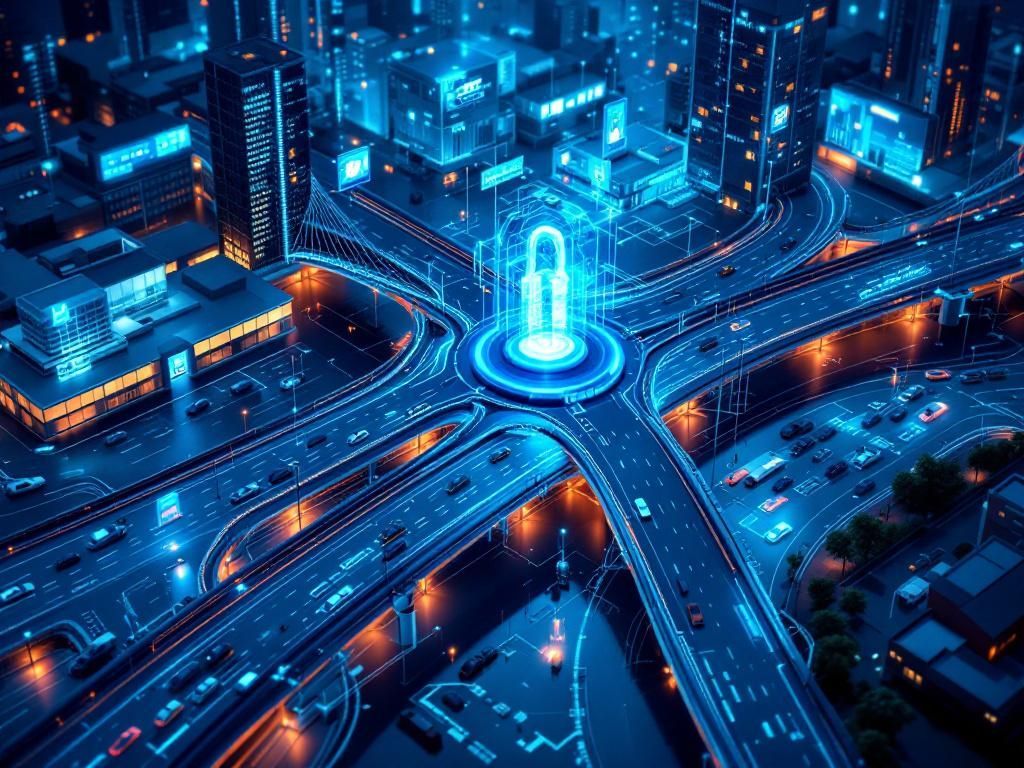
The rapid evolution of technology in the past decade has catalyzed dramatic changes in how urban environments are designed, monitored, and managed. Among the most significant advancements is the development of digital twin solutions, which serve as a virtual representation of physical assets, processes, or systems. This innovation enables stakeholders to analyze, simulate, and optimize operations in real time, ultimately unlocking the potential of smart infrastructure.
Unlocking the potential of smart infrastructure begins with the integration of digital twin solutions, which offer a dynamic virtual representation of physical assets. These innovative models enable real-time monitoring, predictive maintenance, and optimized performance, fundamentally transforming infrastructure management. Discover unique model designs to explore how these technologies can reshape our urban landscapes.
What Are Digital Twins?
A digital twin is a dynamic digital replica of a physical entity. It integrates real-time data, machine learning, and artificial intelligence to create a simulation that reflects the state of the physical counterpart. This technology can be applied in various sectors, including construction, manufacturing, transportation, and urban planning.
Key Components of Digital Twin Solutions
- Data Collection: Utilizing IoT devices, sensors, and other data sources to gather information from physical assets.
- Data Integration: Merging data from different systems to create a cohesive digital representation.
- Simulation Modeling: Developing algorithms to simulate scenarios and predict outcomes.
- Visualization: Employing advanced graphic tools to depict models in a user-friendly manner.
- Analytics: Utilizing analytics tools to derive insights from the data collected.
Applications of Digital Twin Technology
Digital twin technology is reshaping various industries by providing actionable insights and enhancing decision-making processes. Below are some of the most prominent applications:
1. Urban Planning and Management
City planners can leverage digital twins to model urban environments, assess infrastructure needs, and optimize resource allocation. By simulating changes, stakeholders can anticipate challenges and improve public services.
2. Transportation Systems
Digital twins can monitor traffic patterns, predict congestion, and manage public transit systems effectively. By analyzing real-time data, cities can adjust traffic signals and reroute vehicles to improve flow.
3. Manufacturing and Production
In manufacturing, digital twins can enhance production efficiency by simulating machines and processes. Predictive maintenance reduces downtime and prolongs equipment lifespan through timely interventions.
Benefits of Implementing Digital Twin Solutions
Implementing digital twin solutions offers numerous advantages:
Cost Efficiency
By simulating different scenarios, organizations can identify inefficiencies and reduce costs associated with physical testing and maintenance.
Enhanced Decision-Making
Access to real-time data and predictive analytics enables informed decision-making, leading to better outcomes.
Improved Collaboration
Digital twins provide a common platform for various stakeholders, fostering collaboration across departments and disciplines.
Risk Mitigation
Identifying potential issues before they escalate allows organizations to mitigate risks associated with their operations.
Challenges in Implementing Digital Twins
While the benefits of digital twin technology are substantial, several challenges can hinder successful implementation:
Data Security Concerns
As digital twins require vast amounts of data, ensuring the security and privacy of sensitive information is crucial.
Integration Complexity
Combining data from various sources and systems can be complex and time-consuming, requiring careful planning and execution.
Skill Gaps
Organizations may face challenges in finding skilled professionals who can develop and manage digital twin solutions effectively.
Future Trends in Digital Twin Technology
The future of digital twins looks promising as technology continues to advance:
1. Increased Adoption of AI and Machine Learning
Integrating AI and machine learning will enhance the predictive capabilities of digital twins, making them more effective for decision-making.
2. Greater Interoperability
Advancements in standards and protocols will enable better integration between different digital twin solutions, creating a more connected ecosystem.
3. Expanding Use Cases
As industries evolve, the application of digital twins will expand into sectors like healthcare, agriculture, and energy, driving innovation and efficiency.
Case Studies of Successful Digital Twin Implementations
Various organizations have successfully implemented digital twin solutions, yielding significant benefits:
1. Singapore’s Virtual Singapore
The city-state has developed a digital twin of its urban environment, leveraging it for urban planning, disaster management, and environmental sustainability.
2. General Electric’s Predix Platform
GE’s Predix platform utilizes digital twins to optimize the performance of industrial equipment, leading to substantial cost savings and improved operational efficiency.
3. Tesla’s Manufacturing Process
Tesla employs digital twins for its manufacturing processes, allowing for real-time monitoring and adjustments to enhance production efficiency.
Conclusion
The emergence of digital twin technology represents a revolutionary step towards realizing the full potential of smart infrastructure. By enabling organizations to simulate, analyze, and optimize their operations, digital twins are paving the way for more efficient, sustainable, and adaptable cities. As technology progresses, the capabilities and applications of digital twins will only continue to grow, promising a future where urban environments are more intelligently designed and managed.
FAQ
What is a digital twin in smart infrastructure?
A digital twin is a virtual representation of a physical asset, system, or process that enables real-time monitoring, simulation, and analysis, enhancing decision-making in smart infrastructure.
How do digital twin solutions improve infrastructure management?
Digital twin solutions improve infrastructure management by providing insights into performance, enabling predictive maintenance, and facilitating efficient resource allocation.
What industries can benefit from digital twin technology?
Industries such as construction, transportation, energy, and urban planning can significantly benefit from digital twin technology by optimizing operations and enhancing sustainability.
What are the key components of a digital twin solution?
Key components of a digital twin solution include data integration, real-time analytics, simulation models, and visualization tools that work together to provide actionable insights.
How can digital twins enhance sustainability in infrastructure?
Digital twins enhance sustainability by enabling better resource management, reducing energy consumption, and allowing for scenario modeling to assess environmental impacts.
What challenges are associated with implementing digital twin solutions?
Challenges include data security concerns, the complexity of integration with existing systems, and the need for skilled personnel to manage and analyze the data effectively.