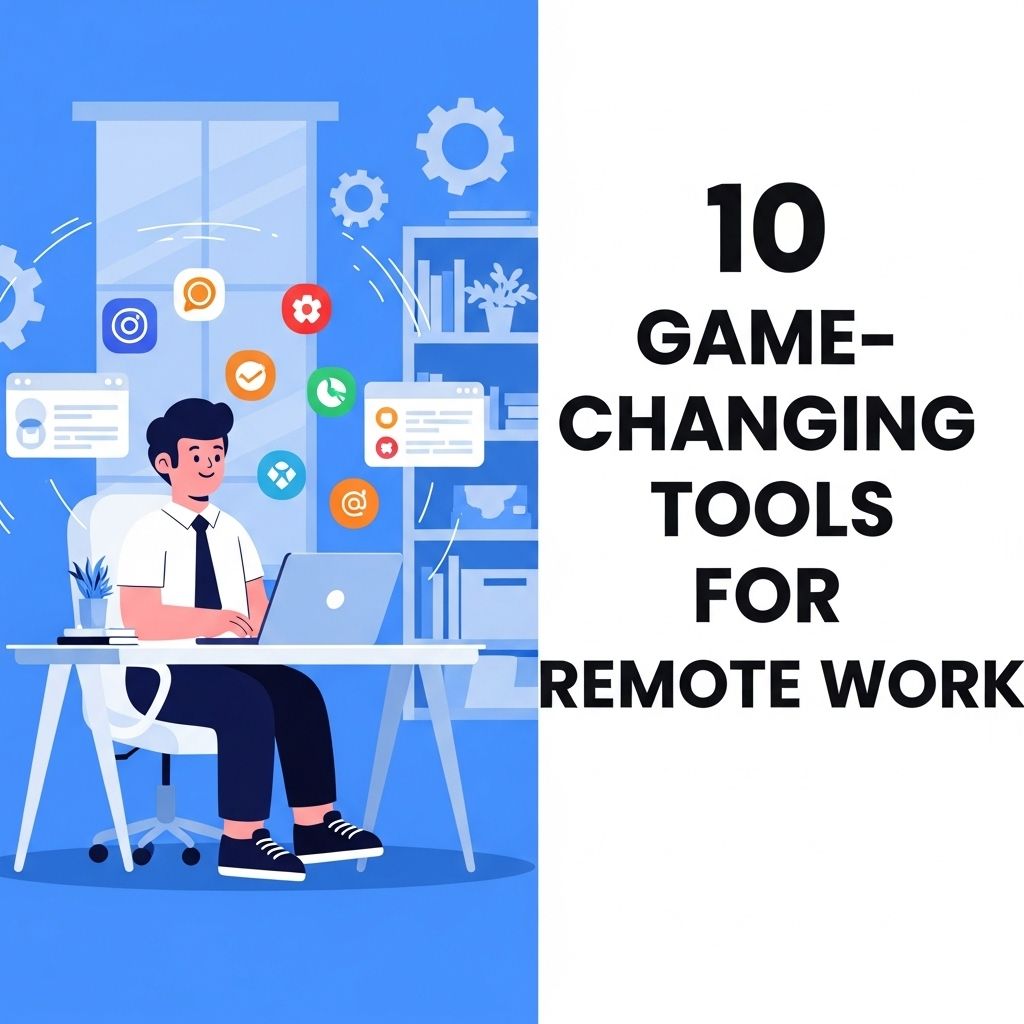
In the modern workplace, the ability to work remotely has become more than just a trend; it is now an integral part of how businesses operate globally. As organizations lean towards a flexible work environment, mastering certain skills can give professionals a competitive edge. This article delves into the top skills essential for remote work success, ensuring that employees remain productive, engaged, and connected, regardless of their location.
As remote work becomes the new norm, mastering essential skills is crucial for success in this environment. This guide will explore seven skills that can enhance your productivity and communication while working from home. Additionally, if you’re looking for inspiration for your home office, you can browse various mug designs to create a motivating workspace.
Understanding Remote Work Dynamics
Remote work dynamics differ significantly from traditional office settings. It is crucial to adapt to these changes by honing various skills that facilitate effective communication, collaboration, and productivity. Here are the top skills one should focus on:
1. Effective Communication
Communication in a remote setting isn’t just about speaking clearly; it involves understanding tone, context, and ensuring messages are received as intended. To enhance your communication skills, consider the following:
- Utilizing multiple channels: emails, video calls, instant messaging.
- Being clear and concise in your messages.
- Active listening skills during meetings.
Tools to Enhance Communication
Adopting the right tools can streamline communication:
| Tool | Purpose |
|---|---|
| Slack | Instant messaging and collaboration |
| Zoom | Video conferencing |
| Trello | Project management |
2. Time Management
Remote work requires self-discipline and effective time management. Without a structured environment, it’s easy to lose focus. Here are some strategies:
- Set a consistent work schedule.
- Use tools like calendars to plan your day.
- Break tasks into smaller, manageable segments.
Popular Time Management Tools
Integrating tools into your workflow can help manage time effectively:
- Asana for task management
- Pomodoro timer for focused work sessions
- Google Calendar for scheduling
3. Self-Motivation
In a remote environment, the absence of direct supervision can lead to a decline in motivation. Cultivating self-motivation is key to maintaining productivity. Consider these techniques:
- Set personal goals and track your progress.
- Reward yourself after completing tasks.
- Establish a motivating workspace that inspires productivity.
4. Adaptability
The remote work landscape is constantly evolving, and being adaptable is crucial. Here are ways to enhance this skill:
- Stay updated with industry trends.
- Be willing to adopt new technologies and processes.
- Accept feedback and adjust accordingly.
5. Technical Proficiency
Understanding various digital tools is essential in a remote work environment. This includes being comfortable with:
- Collaboration software
- Cloud storage solutions
- Data management tools
Essential Technical Skills
Here’s a list of technical skills worth mastering:
| Skill | Description |
|---|---|
| Data Analysis | Interpreting data to make informed decisions |
| Digital Marketing | Using online channels to promote products |
| Cybersecurity | Protecting sensitive information from threats |
6. Collaboration Skills
Collaborating effectively with a remote team is vital for success. This involves:
- Engaging in regular team meetings.
- Using collaborative tools for project work.
- Being open to sharing ideas and feedback.
Collaboration Tools
Some tools that facilitate collaboration include:
- Microsoft Teams for teamwork and communication.
- Miro for brainstorming and creative collaboration.
- Basecamp for project management and team communication.
7. Problem-Solving Skills
Remote work can present unforeseen challenges, making strong problem-solving skills essential. Professionals should aim to:
- Analyze issues critically before proposing solutions.
- Use a systematic approach to problem-solving.
- Collaborate with peers to brainstorm solutions.
Conclusion
Mastering these skills will not only enhance individual performance but also contribute to the overall success of remote teams. As the future of work continues to evolve, investing time in developing these competencies can lead to greater job satisfaction and career growth. Embrace the remote work culture, focus on these essential skills, and watch your professional life flourish.
FAQ
What are the top skills needed for remote work?
The top skills for remote work include effective communication, time management, self-discipline, adaptability, technical proficiency, and problem-solving.
How can I improve my communication skills for remote work?
You can improve your communication skills by actively participating in virtual meetings, using clear and concise language, and utilizing collaboration tools effectively.
Why is time management important in remote work?
Time management is crucial in remote work because it helps you maintain productivity, meet deadlines, and balance work-life responsibilities efficiently.
What technical skills are essential for remote workers?
Essential technical skills for remote workers include proficiency in collaboration software, project management tools, and basic troubleshooting for common tech issues.
How can I develop self-discipline while working remotely?
You can develop self-discipline by setting a consistent work schedule, creating a dedicated workspace, and establishing boundaries with distractions.
What is the role of adaptability in remote work?
Adaptability in remote work allows you to handle changing circumstances, embrace new technologies, and adjust to different team dynamics effectively.