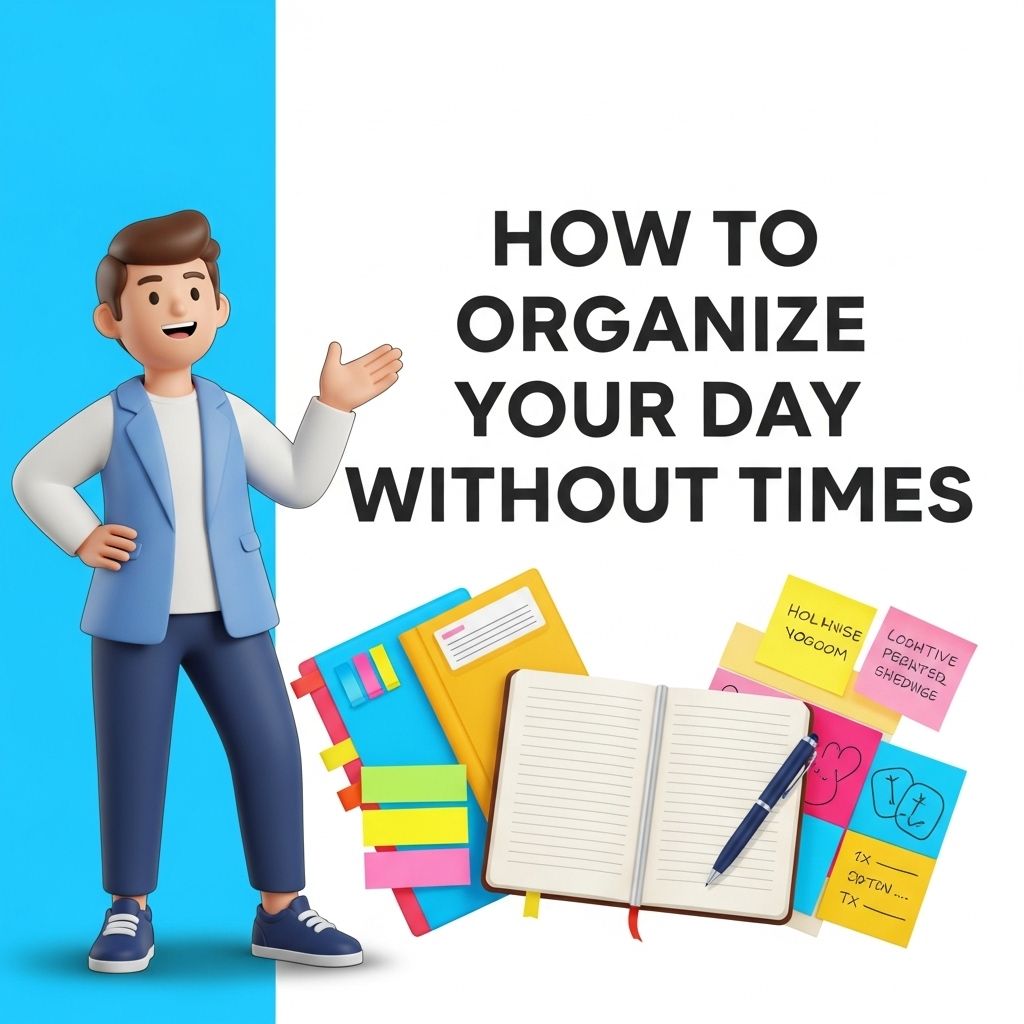
In a world where time seems to slip away faster than we can grasp, organizing your day without rigid schedules or strict time allocations can be both liberating and effective. Many individuals find themselves overwhelmed by the pressure to adhere to a clock-based system, leading to stress and burnout. Instead of dictating our activities by the hour, a more fluid approach might allow for greater creativity, spontaneity, and fulfillment. This article explores various strategies to help you structure your day without being constrained by time.
Mastering your day doesn’t have to be dictated by the clock; it can be about organizing your tasks effectively. By prioritizing what truly matters and setting flexible goals, you can create a balanced workflow that enhances productivity. For those looking to add a personal touch to their workspace, find quality mug templates here to inspire your creativity and keep your motivation high.
The Benefits of Time-Free Organization
Embracing a time-free organization model can yield several advantages:
- Increased Flexibility: Without the pressure of a ticking clock, you can adapt your activities based on your energy levels and focus.
- Reduced Stress: By letting go of time constraints, you can alleviate the anxiety that comes with constant scheduling.
- Enhanced Productivity: Working when you feel most inspired can lead to higher quality outputs and creative breakthroughs.
- Improved Well-being: A less structured day allows for self-care and mindfulness, contributing to better mental health.
Understanding Your Natural Rhythms
To effectively organize your day in a time-free manner, it’s crucial to first understand your own natural rhythms. Each person operates on different cycles of productivity, focus, and energy. Here’s how you can identify yours:
Recognizing Personal Patterns
- Track Your Energy Levels: For a week, record your energy and focus at different times of the day to uncover your most productive hours.
- Identify Peak Creativity Times: Note when you feel the most creative and driven to work on tasks that require innovation.
- Reflect on Your Mood: Acknowledge how your mood changes throughout the day and how it affects your motivation.
Categorizing Your Activities
After understanding your rhythms, categorize tasks into the following groups:
- High-Energy Tasks: Activities requiring full focus and creativity.
- Low-Energy Tasks: Routine activities or tasks that require less mental exertion.
- Self-Care: Activities that nourish your mind and body, such as meditation, exercise, or reading.
Creating a Flexible Daily Structure
Instead of rigid hours, create a flexible plan for your day based on your categorized activities. Consider using a framework that allows for adaptability, such as:
Thematic Days
Assign overarching themes to different days of the week:
| Day | Theme | Focus Activity |
|---|---|---|
| Monday | Creative Planning | Brainstorming and strategizing |
| Tuesday | Execution | Creating and building projects |
| Wednesday | Networking | Connecting with others and collaboration |
| Thursday | Learning | Researching and skills development |
| Friday | Reflection | Reviewing the week’s progress |
Block Scheduling
Instead of allocating specific hours, use flexible blocks of time to dedicate to tasks:
- Morning Block: High-energy tasks that require deep focus.
- Afternoon Block: Collaborative work or lower-energy tasks.
- Evening Block: Personal projects or self-care activities.
Incorporating Breaks and Downtime
Intentionally scheduling breaks is critical, even in a time-free structure. Utilize strategies such as:
The Pomodoro Technique
Work for 25 minutes, then take a 5-minute break. Repeat this cycle and take a longer break after four cycles. This method can enhance focus and productivity while ensuring you don’t experience burnout.
Mindful Breaks
Incorporate mindfulness or movement during breaks:
- Short walks outdoors to refresh your mind.
- Breathing exercises to reduce stress.
- Stretching to alleviate physical tension.
Leveraging Technology for Flexibility
Modern technology can further facilitate a time-free approach:
Task Management Apps
Utilize apps that allow you to create tasks without fixed deadlines. Options include:
- Asana: For collaborative project management.
- Trello: To visually organize tasks in boards.
- Todoist: For to-do lists without time constraints.
Digital Journal
A digital journal can help you log your activities and reflect on what works best for you. This can include notes on your focus levels, completed tasks, and areas for improvement.
Measuring Success and Adapting
Tracking your success is vital in this organization style. Consider the following:
Weekly Reflection
Set aside time each week to review:
- What tasks were completed?
- How you felt throughout the week.
- What you’d like to change moving forward.
Be Open to Adjustments
Stay adaptable. If something isn’t working, don’t hesitate to tweak your approach. Clarity often comes from trial and error.
Conclusion
Organizing your day in a time-free way can offer a refreshing alternative to conventional methods. By understanding your natural rhythms and categorizing your activities, you can create a flexible structure that prioritizes productivity without the constraints of a traditional clock. Embrace this liberating approach, and you might discover an enhanced sense of creativity, well-being, and satisfaction in your daily life.
FAQ
What are some effective strategies for organizing my day without specific time slots?
Consider using task lists, prioritizing tasks by urgency and importance, and segmenting your day into blocks of focus time dedicated to specific activities.
Can I use a flexible routine instead of a rigid schedule?
Absolutely! A flexible routine allows you to adapt your tasks based on your energy levels and priorities, helping you stay productive without the pressure of strict time management.
How can I avoid distractions while organizing my day?
Identify your main distractions and create a dedicated workspace, use apps to limit interruptions, and set specific goals for each task to maintain focus.
What role does setting priorities play in organizing my day?
Setting priorities helps you focus on the most important tasks first, ensuring that your energy is directed towards what truly matters, even without a timed schedule.
How can I evaluate my productivity at the end of the day?
At the end of each day, reflect on what you accomplished by reviewing your task list, noting what you’ve completed, and adjusting your approach for the next day based on your experiences.