In today’s fast-paced, technology-driven world, the ability to master self-paced learning has become an essential skill for both personal development and career advancement. Whether you are a student, a working professional, or someone seeking new skills, the art of teaching yourself can open up endless possibilities. This article will guide you through the various techniques and strategies to enhance your self-paced learning journey, ensuring you achieve your goals efficiently and effectively.
Mastering self-paced learning can be a transformative experience, allowing individuals to tailor their educational journeys to fit their unique needs and lifestyles. To succeed, it is essential to develop personal strategies for motivation and time management while leveraging resources effectively. For inspiration and guidance, you can Find the perfect model for your project that illustrates effective learning techniques.
Understanding Self-Paced Learning
Self-paced learning refers to a method of education where learners have the autonomy to control the pace at which they study. Unlike traditional learning models, self-paced learning allows for flexibility and personalization. Here are some key characteristics:
- Autonomy: Learners set their own goals and deadlines.
- Flexibility: Study schedules can be adjusted according to personal commitments.
- Personalization: Learners can choose resources that suit their learning styles.
The Benefits of Self-Paced Learning
Adopting a self-paced learning model offers numerous advantages:
- Enhanced Retention: Learners can revisit challenging topics as needed.
- Motivation: Personal goals can drive motivation and engagement.
- Skill Development: Focus on specific skills relevant to individual career paths.
Key Strategies for Mastering Self-Paced Learning
1. Set Clear Goals
Define what you want to achieve through self-paced learning. SMART goals—Specific, Measurable, Achievable, Relevant, and Time-bound—provide a structured framework:
| Goal Type | Example |
|---|---|
| Specific | Learn Python programming |
| Measurable | Complete 5 online courses |
| Achievable | Set aside 5 hours a week |
| Relevant | Enhance job skills for a tech role |
| Time-bound | Finish within 3 months |
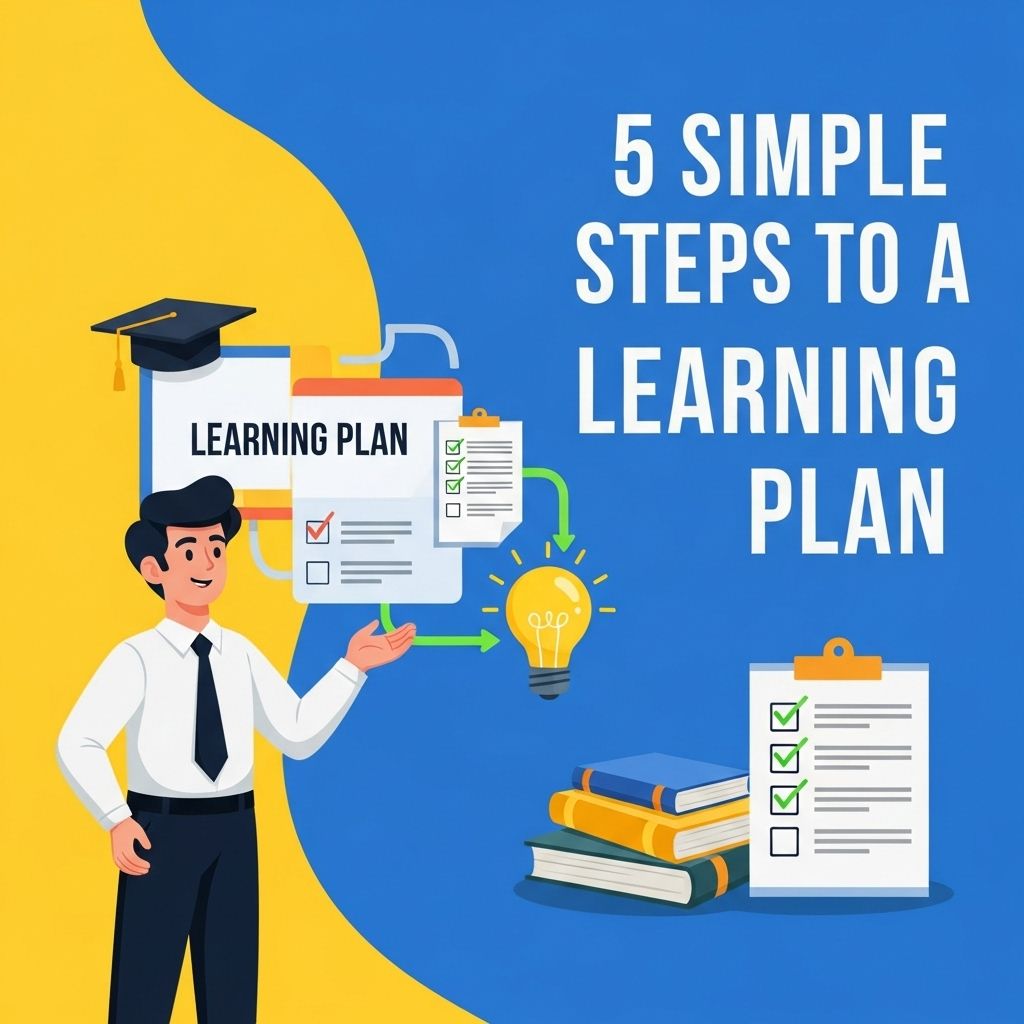
2. Create a Structured Study Plan
A well-organized study plan is essential for maintaining focus and motivation. Consider the following components:
- Daily and Weekly Goals: Break down your overall goals into smaller, manageable tasks.
- Time Allocation: Decide how much time you will dedicate to each topic.
- Resources: Identify books, online courses, tutorials, and other materials.
3. Utilize Technology
Modern technology provides a plethora of resources for self-paced learning. Here are some tools and platforms that can enhance your experience:
- Online Learning Platforms: Websites like Coursera, Udemy, and edX offer a vast array of courses.
- Note-taking Apps: Tools like Evernote or Notion help organize notes efficiently.
- Productivity Tools: Utilize apps such as Trello or Todoist to keep track of tasks and progress.
Engaging with the Learning Material
4. Active Learning Techniques
Active learning promotes critical thinking and deeper understanding. Incorporate these techniques into your study routine:
- Summarization: Summarize chapters or videos in your own words.
- Self-Testing: Create quizzes or flashcards to assess your knowledge.
- Discussion: Engage in forums or study groups to discuss concepts and clarify doubts.
5. Implement the Feynman Technique
This technique is based on the idea of teaching others to enhance understanding. Here’s how to apply it:
- Select a concept you wish to learn.
- Teach it to someone else or pretend to teach it.
- Identify gaps in your understanding and revisit those areas.
- Review and simplify your explanation until it’s clear.
Maintaining Motivation and Progress
6. Track Your Progress
Keeping a record of your progress helps maintain motivation. Consider these methods:
- Journals: Write down achievements and setbacks to reflect on your journey.
- Charts: Create visual representations of your progress.
- Milestones: Celebrate small wins to boost morale.
7. Build a Learning Community
Connecting with like-minded individuals can provide support and accountability. Ways to build a community include:
- Joining Online Forums: Platforms like Reddit or specialized forums can offer insights and advice.
- Social Media Groups: Engage with relevant groups on Facebook or LinkedIn.
- Local Meetups: Attend workshops or seminars to network with others.
Overcoming Challenges in Self-Paced Learning
8. Addressing Procrastination
Procrastination can hinder your learning progress. Combat this by:
- Setting strict deadlines for tasks.
- Utilizing the Pomodoro Technique: Work for 25 minutes, take a 5-minute break.
- Removing distractions from your study environment.
9. Dealing with Information Overload
With so many resources available, it’s easy to feel overwhelmed. To manage this:
- Limit Resources: Choose a few high-quality resources instead of trying to use them all.
- Focus on One Topic: Concentrate on a single subject before moving to the next.
- Regularly Review: Periodically revisit past material to reinforce learning.
Conclusion
Mastering self-paced learning requires discipline, structure, and a proactive approach to problem-solving. By setting clear goals, utilizing technology, engaging with material, and building a supportive community, learners can effectively navigate their educational journeys. As the world continues to change, the ability to learn independently will remain a crucial skill that empowers individuals to adapt and thrive.
FAQ
What is self-paced learning?
Self-paced learning is an educational approach that allows learners to progress through a course or material at their own speed, accommodating individual learning styles and schedules.
What are the benefits of self-paced learning?
Benefits of self-paced learning include flexibility in scheduling, the ability to revisit complex topics, personalized learning experiences, and increased motivation as learners take charge of their education.
How can I stay motivated during self-paced learning?
To stay motivated, set specific goals, create a structured study schedule, track your progress, and reward yourself for achieving milestones.
What techniques can I use to effectively master self-paced learning?
Techniques include breaking down content into manageable chunks, utilizing various learning resources, engaging in active learning methods, and regularly assessing your understanding.
Are there any tools that can help with self-paced learning?
Yes, tools such as learning management systems, online courses, productivity apps, and note-taking software can enhance the self-paced learning experience.
How do I identify my learning style for self-paced learning?
You can identify your learning style by reflecting on how you best absorb information, whether through visual aids, auditory materials, hands-on practice, or reading and writing.