

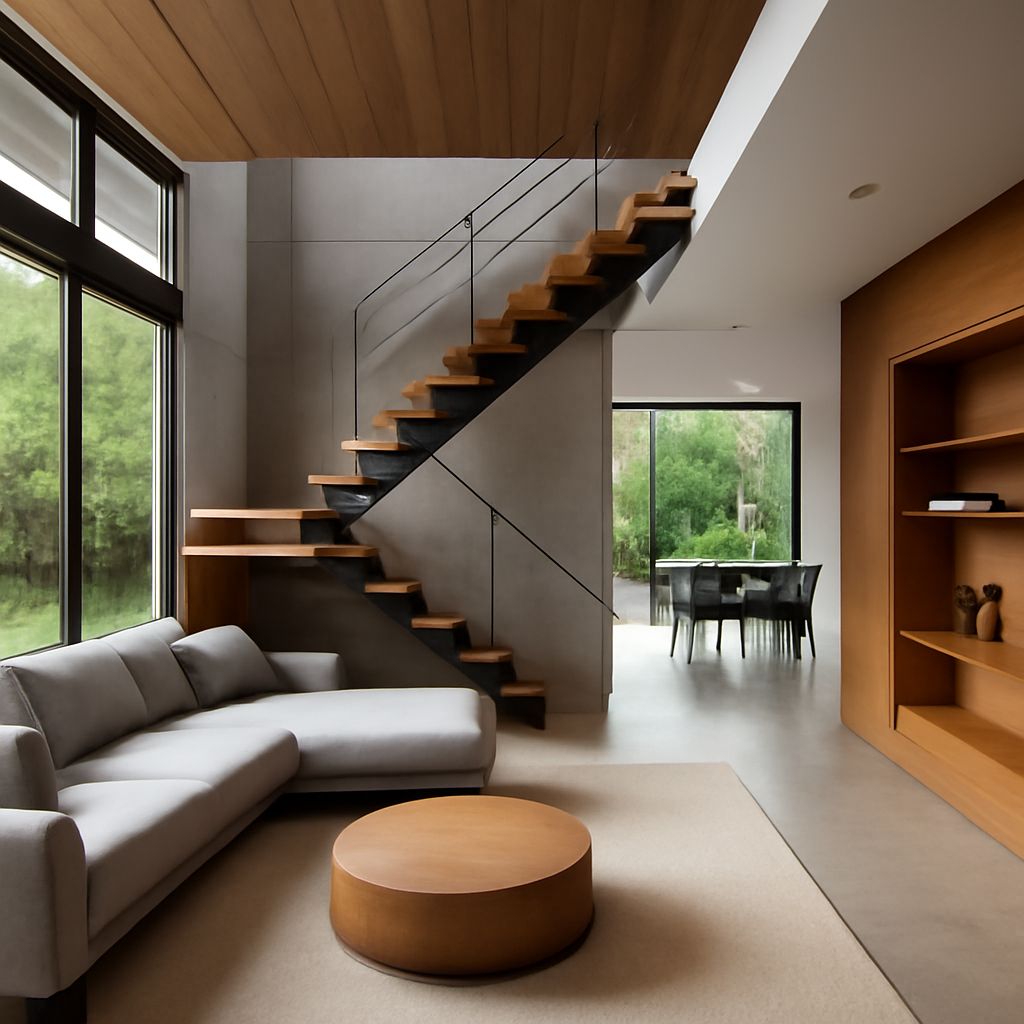
Transform Your Space: Innovative Architectural Design Ideas for Modern Living
In today’s fast-paced world, the way we live, work, and interact with our spaces has evolved tremendously. Architectural design plays a crucial role in shaping our environments, reflecting not only aesthetic values but also catering to functionality and sustainability. In this blog, we explore innovative architectural design ideas that can transform your space into a modern sanctuary tailored to today’s lifestyles.
In an era where our living spaces reflect our personality and lifestyle, innovative architectural design ideas are transforming the way we interact with our environments. From open-concept layouts to sustainable materials, modern living is redefined through creative solutions that enhance both functionality and aesthetic appeal. Explore high-quality roll-up mockups to visualize your design concepts and bring your vision to life: high-quality roll-up mockups.
1. Embracing Open Floor Plans
Open floor plans have become a hallmark of modern architecture, promoting a sense of connectivity and spaciousness. By removing unnecessary walls, you can create a fluid environment where living, dining, and kitchen areas seamlessly blend into one another.
Benefits of Open Floor Plans:
- Enhanced Social Interaction: Open designs foster conversation and engagement among family members and guests.
- Natural Light: More windows and fewer walls allow for abundant natural light, making spaces feel brighter and more inviting.
- Flexibility: Open spaces can easily be reconfigured for different events or activities.
2. Integrating Nature with Biophilic Design
Biophilic design seeks to connect people with nature, making it an essential aspect of modern architecture. By incorporating natural elements into your design, you can create spaces that promote well-being and reduce stress.
Key Elements of Biophilic Design:
- Natural Materials: Use wood, stone, and other organic materials to bring a piece of nature indoors.
- Indoor Plants: Integrate greenery through indoor gardens or potted plants that purify the air and improve mood.
- Natural Light: Design spaces to maximize sunlight, using large windows or skylights.
3. Smart Home Technologies
As technology advances, smart home solutions have become integral to modern architectural design. These innovations enhance convenience, security, and energy efficiency, making life easier and more enjoyable.
Popular Smart Home Features:
- Smart Lighting: Control the ambiance of your space with adjustable lighting that can be programmed based on your routine.
- Automated Climate Control: Smart thermostats help maintain the perfect temperature while reducing energy consumption.
- Security Systems: Integrated cameras and alarms provide peace of mind, allowing you to monitor your home remotely.
4. Sustainable Architecture
With increasing awareness of environmental issues, sustainable architecture is gaining traction. By using eco-friendly materials and energy-efficient designs, you can create a home that minimizes its ecological footprint.
Strategies for Sustainable Architecture:
- Energy-efficient Insulation: High-quality insulation can reduce heating and cooling costs significantly.
- Solar Panels: Harness the power of the sun to generate renewable energy for your home.
- Water Conservation: Implement rainwater harvesting systems and low-flow fixtures to reduce water usage.
5. Modular and Prefabricated Spaces
Modular and prefabricated designs allow for flexibility and efficiency in architecture. These structures can be easily assembled on-site, reducing construction time and waste.
Advantages of Modular Architecture:
- Cost-effective: Prefabricated components can lower construction costs significantly.
- Versatility: Modular designs can be altered or expanded as needs change over time.
- Reduced Waste: Factory-controlled processes minimize material waste compared to traditional construction methods.
6. Innovative Use of Space
Maximizing space in smaller urban homes is a challenge that many face today. Creative architectural solutions can help you make the most of limited areas.
Space Optimization Strategies:
- Multi-purpose Furniture: Invest in furniture pieces that serve multiple functions, like a sofa bed or a coffee table with storage.
- Built-in Solutions: Custom cabinetry and built-in shelves can save floor space while providing necessary storage.
- Vertical Space: Utilize vertical space by installing high shelves or lofted beds.
7. Emphasis on Outdoor Living
Creating inviting outdoor spaces is essential for modern living, as it extends your home and provides a space for relaxation and entertainment. Innovative designs can transform patios, balconies, and gardens into functional areas.
Ideas for Enhancing Outdoor Spaces:
- Outdoor Kitchens: Transform your backyard with a fully equipped outdoor kitchen, perfect for hosting summer barbecues.
- Vertical Gardens: Utilize wall space for greenery, creating a lush atmosphere without sacrificing square footage.
- Fire Pits and Seating Areas: Design comfortable gathering spots that encourage outdoor socializing.
8. The Impact of Color and Materials
The choice of colors and materials in architectural design can significantly influence mood and perception. Understanding the psychology of colors can help you create a harmonious living environment.
Choosing the Right Colors:
- Calming Blues and Greens: These colors promote a sense of tranquility and are ideal for bedrooms or relaxation areas.
- Warm Earth Tones: Browns and beiges can create warmth and comfort in living spaces.
- Bold Accents: Bright colors can be used as accents to energize a space without overwhelming it.
9. Future Trends in Architectural Design
As we look to the future, several architectural design trends are emerging that will shape modern living spaces.
Upcoming Trends:
- 3D Printed Homes: This innovative technology promises to revolutionize the construction process, making housing more affordable.
- Resilient Design: Architecture that can withstand climate change challenges is becoming increasingly important.
- Wellness Architecture: Designs focused on health and well-being will prioritize air quality, access to nature, and spaces for physical activity.
Conclusion
Innovative architectural design is reshaping the way we live, making our spaces more functional, sustainable, and connected. By embracing these modern ideas, you can transform your environment into a beautiful sanctuary that enhances your quality of life. Whether through open floor plans, biophilic elements, or smart home technologies, the possibilities for designing your ideal space are endless. Start your journey today towards a more modern, innovative living experience.
FAQ
What are some innovative architectural design ideas for modern living?
Innovative architectural design ideas for modern living include open floor plans, sustainable materials, biophilic design elements, multifunctional spaces, and smart home technology integration.
How can I make my small space feel larger with architectural design?
To make a small space feel larger, consider using light colors, mirrors, multi-functional furniture, and vertical storage solutions to maximize space efficiency.
What role does sustainability play in modern architectural design?
Sustainability in modern architectural design focuses on energy efficiency, the use of eco-friendly materials, and designs that minimize environmental impact while enhancing the quality of life.
How can architectural design enhance natural light in my home?
Architectural design can enhance natural light through the use of large windows, skylights, open spaces, and strategic positioning of rooms to maximize sunlight exposure.
What are biophilic design elements and why are they important?
Biophilic design elements include natural materials, plants, and natural light, and they are important because they promote well-being and a connection to nature in modern living spaces.
How can I incorporate smart home technology into my architectural design?
Incorporating smart home technology can be achieved by integrating automated lighting, climate control systems, security features, and smart appliances into the architectural plans for seamless functionality.



