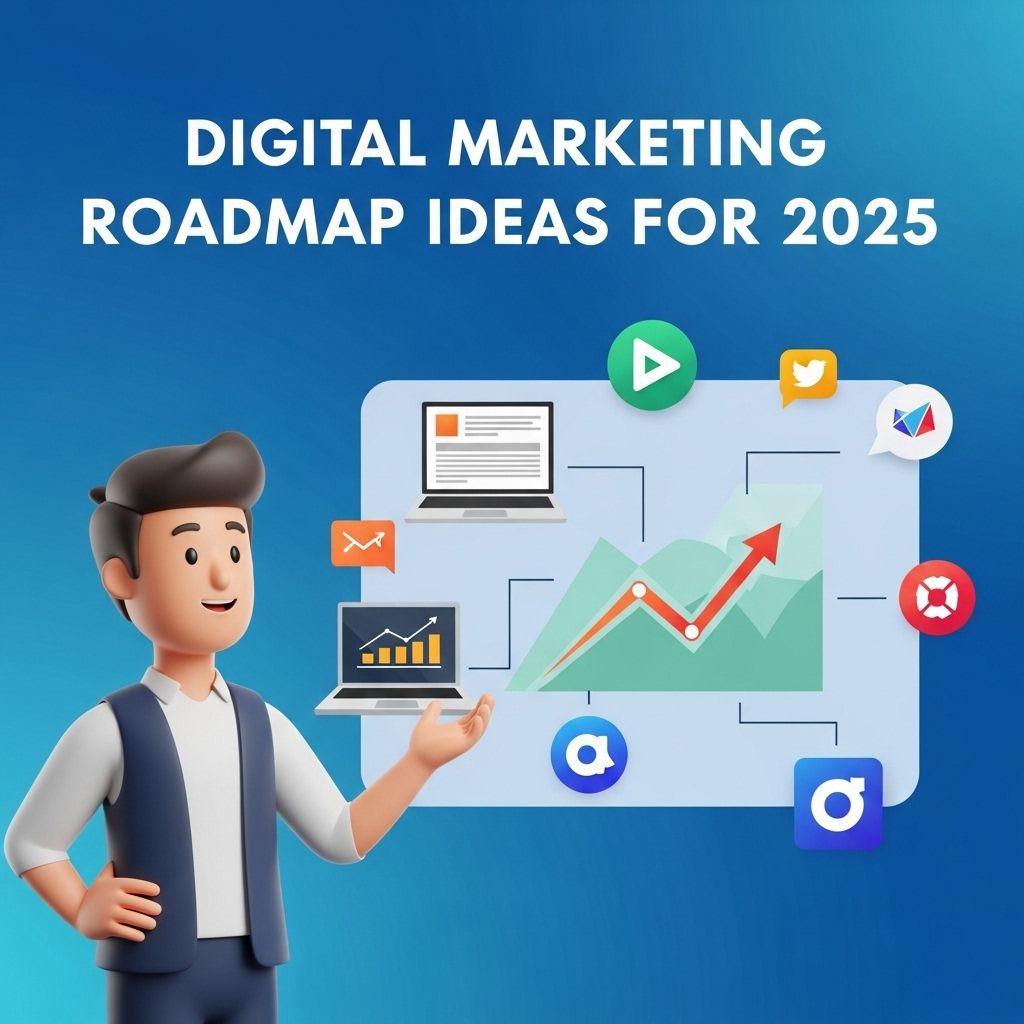
As we approach 2025, the digital marketing landscape is evolving at an unprecedented pace. Marketers are harnessing new technologies, platforms, and strategies to engage consumers in innovative ways. Understanding these powerful strategies can help businesses of all sizes to thrive in a competitive environment. This article explores ten potent digital marketing strategies that are set to dominate in 2025.
As we look ahead to 2025, businesses must adapt to the evolving digital landscape by implementing powerful marketing strategies. From harnessing artificial intelligence to embracing immersive content, these strategies will not only enhance engagement but also boost brand visibility. To further enhance your creative efforts, view our free mug templates that can elevate your promotional designs.
1. AI-Driven Personalization
Artificial Intelligence (AI) continues to revolutionize how brands interact with consumers. By leveraging AI, businesses can analyze vast amounts of data to provide personalized experiences tailored to individual preferences.
Benefits of AI Personalization:
- Increased conversion rates
- Enhanced customer satisfaction
- Improved customer retention
2. Voice Search Optimization
With the rise of voice-activated devices, optimizing for voice search has become crucial. Marketers need to adapt their SEO strategies to account for conversational queries.
Key Strategies:
- Use natural language in content
- Focus on local SEO
- Implement structured data markup
3. Video Content Dominance
Video content is more engaging than ever. By 2025, it is projected that around 82% of all consumer internet traffic will come from video. This trend emphasizes the importance of incorporating various forms of video into marketing strategies.
Types of Video Content to Consider:
| Type of Video | Purpose |
|---|---|
| Explainer Videos | To clarify product features |
| Webinars | To educate and build authority |
| Live Streams | To engage audiences in real-time |
4. Social Commerce
The integration of e-commerce with social media platforms is a trend that has gained momentum. Social commerce allows brands to sell products directly through social networks, making the shopping experience seamless.
Effective Platforms for Social Commerce:
5. Augmented Reality (AR) Experiences
Augmented reality is enhancing the way consumers interact with products. By 2025, AR technology will offer immersive experiences that can help consumers visualize products in their own environment.
Applications of AR in Marketing:
- Virtual try-ons for fashion and beauty products
- Interactive product demonstrations
- Home decor previews
6. Sustainability Marketing
As consumers become more environmentally conscious, brands need to adopt sustainability as part of their marketing strategies. Transparency about sourcing and production processes can build trust and loyalty.
Ways to Implement Sustainability Marketing:
- Showcase eco-friendly initiatives
- Use sustainable packaging
- Engage in community-driven projects
7. Data Privacy and Trust
With the increasing scrutiny on data privacy, marketers must prioritize ethical practices. Building trust with consumers is essential for long-term success.
Best Practices for Data Privacy:
- Be transparent about data usage
- Obtain explicit consent from users
- Implement strong security measures
8. Community Building
Creating a loyal community around a brand can enhance customer engagement and loyalty. This strategy involves fostering relationships through various channels.
Effective Community Building Tactics:
- Utilize social media groups
- Engage through forums or discussion boards
- Host events and workshops
9. Interactive Content
Engaging consumers through interactive content such as polls, quizzes, and games can significantly enhance engagement rates. This type of content encourages users to actively participate rather than passively consume.
Examples of Interactive Content:
| Type | Description |
|---|---|
| Quizzes | Help users discover something about themselves |
| Calculators | Provide personalized results based on user input |
| Surveys | Gather valuable insights while engaging users |
10. Omnichannel Marketing
A successful digital marketing strategy in 2025 will involve a seamless customer experience across all channels. Omnichannel marketing focuses on providing a cohesive experience whether customers interact with a brand online or offline.
Key Components of Omnichannel Marketing:
- Consistent messaging across platforms
- Integrated customer service
- Cross-channel promotions
In conclusion, as we move towards 2025, adopting these powerful digital marketing strategies can significantly impact a brand’s success. Embracing technological advancements, prioritizing consumer preferences, and creating engaging experiences will be vital for marketers aiming to stay ahead in this rapidly changing landscape.
FAQ
What are the top digital marketing strategies for 2025?
The top digital marketing strategies for 2025 include AI-driven marketing, personalized content, voice search optimization, video marketing, social commerce, and data privacy compliance.
How can AI improve digital marketing in 2025?
AI can improve digital marketing in 2025 by providing insights through data analysis, enhancing customer experiences with chatbots, and enabling personalized marketing campaigns.
What role does social media play in digital marketing for 2025?
Social media will play a crucial role in digital marketing for 2025 by facilitating direct engagement with consumers, driving brand awareness, and supporting social commerce trends.
How important is video marketing in 2025?
Video marketing will be extremely important in 2025, as it is predicted to dominate content consumption and enhance engagement through storytelling and interactive elements.
What trends should businesses watch for in digital marketing in 2025?
Businesses should watch for trends such as augmented reality advertising, sustainability-driven marketing, and the increasing importance of data privacy and security.
How can businesses prepare for the future of digital marketing?
Businesses can prepare for the future of digital marketing by investing in technology, focusing on customer experience, staying updated with trends, and prioritizing data analytics.