The Art of Typography: Transforming Text into Visual Masterpieces
Typography is more than just arranging letters in a legible format. It is an art form that breathes life into text, transforming the ordinary into something extraordinary. At its core, creative typography is about expression and communication, using typefaces and style to evoke emotions and convey messages in unique and impactful ways. To appreciate the power of typography, let’s explore ten inspiring examples that highlight the inventive possibilities within this art form.
Typography is an art form that can breathe life into any project, transforming ordinary text into a captivating visual experience. In this exploration, we will showcase 10 inspiring examples of creative typography that push the boundaries of design, offering fresh perspectives and innovative ideas. For those interested in showcasing their own typographic creations, a great resource is a professional t-shirt display.
1. Minimalist Elegance: Jonathan Barnbrook
Jonathan Barnbrook, a UK-based designer, is renowned for his minimalist yet effective typography. His approach strips away the unnecessary, allowing the type to speak volumes through simplicity. Barnbrook’s work with David Bowie, particularly the album cover for “Heathen,” showcases his ability to use minimal design to create a powerful visual impact.
2. Dynamic and Playful: Sagmeister & Walsh
Sagmeister & Walsh, a design partnership renowned for their unconventional approaches, often use typography as a playground for creativity. Their work bends, breaks, and reinterprets type in dynamic ways, infusing playfulness into every project. For example, their “Beauty” project uses type to explore the concept of beauty through bold, vibrant, and often interactive typography.
3. Historical Inspiration: Jessica Hische
Jessica Hische’s typography is a blend of historical elegance and modern flair. Known for her hand-lettering, Hische’s work often draws inspiration from vintage signs and typography, infusing them with a contemporary twist. Her redesign of Penguin Drop Caps, a series of books with intricate initials, exemplifies her ability to make historical styles relevant in modern contexts.
4. Urban Expression: Dain Yoon
Dain Yoon, a visual artist known for her surreal and thought-provoking art, uses typography as a means of urban expression. Her work often incorporates elements of street art and graffiti, blending text with visual art to create immersive and expressive pieces that resonate with urban culture.
5. Geometric Precision: Paula Scher
Paula Scher, a prominent figure in graphic design, is known for her bold use of typography in creating maps and posters. Her approach often uses geometric shapes and patterns, playing with scale and perspective to form intricate and visually striking compositions. Scher’s “The Paris Ramp” is a testament to her skill in using typography to create complex and engaging visuals.
6. Illusory Dimensions: Ji Lee
Ji Lee, an innovative designer, pushes the boundaries of typographic design through optical illusions. His work often plays with perception, creating three-dimensional effects that challenge the viewer’s understanding of space. Lee’s “Word as Image” project transforms simple text into visual illusions, making words appear as both text and image simultaneously.
7. Interactive Typography: Refik Anadol
Refik Anadol, a media artist, integrates technology with typography to create interactive installations. His projects often feature large-scale digital displays where typography responds to human interaction, creating a dynamic dialogue between the artwork and the audience. Anadol’s “Infinity Room” is a captivating example of using typography in a space that envelops and interacts with viewers.
8. Cultural Fusion: Morag Myerscough
Morag Myerscough’s work is a vibrant fusion of culture and typography. Known for her bold use of color and patterns, Myerscough often integrates text into architectural spaces, turning them into joyful, interactive environments. Her work on the “Temple of Fun” demonstrates her ability to blend diverse cultural elements into cohesive and lively typographic expressions.
9. Emotional Resonance: Marian Bantjes
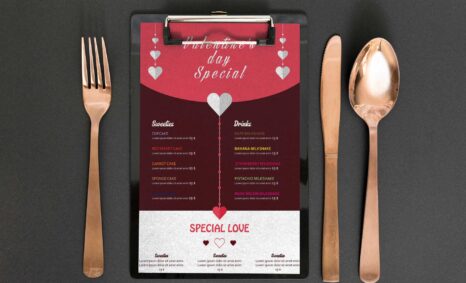
Marian Bantjes is celebrated for her ability to infuse emotion into typography. Her meticulous and often ornate designs transform type into personal narratives, creating connections that resonate on a deeper level. Bantjes’ Valentine’s Day project, in which she handcrafts intricate love letters, showcases her talent for using typography to convey heartfelt messages.
10. Environmental Impact: Anthony Burrill
Anthony Burrill, known for his bold typographic prints, uses his work to address environmental and social issues. His “Oil & Water Do Not Mix” poster, created using oil from the 2010 Gulf of Mexico spill, is a powerful example of how typography can be used to make a statement and inspire change. Burrill’s work emphasizes the role of typography in advocacy and awareness.
Conclusion: Typography as a Catalyst for Creativity
These inspiring examples demonstrate the versatility and power of typography in the world of design. From minimalism to interactive experiences, each artist brings a unique perspective to the craft. By pushing the boundaries of traditional design, these creatives not only redefine the way we perceive text but also transform it into a potent form of expression. As we continue to explore new ideas and technologies, the future of typography promises to be even more inspiring and diverse.
FAQ
What is creative typography?
Creative typography involves the artistic arrangement and design of text to convey a message or evoke emotions, often going beyond traditional type setting.
Why is typography important in design?
Typography is crucial in design as it enhances readability, conveys tone, and can significantly influence the visual appeal and effectiveness of a message.
How can creative typography impact branding?
Creative typography can make a brand stand out, communicate its personality, and create a memorable visual identity that resonates with audiences.
What are some techniques used in creative typography?
Techniques include mixing different fonts, experimenting with size and spacing, incorporating graphics, and using color strategically to create visual interest.
Can creative typography be used in digital media?
Yes, creative typography can be effectively used in digital media to enhance website design, social media graphics, and digital advertising, making content more engaging.
What are some famous examples of creative typography?
Famous examples include the iconic Coca-Cola logo, Apple’s minimalist typeface, and the imaginative type designs seen in movie posters like ‘The Great Gatsby.’