In the world of design, color plays a crucial role in creating visual harmony and impact. Whether you’re working on a digital project, painting a canvas, or designing a brand logo, the right color palette can make all the difference. This article will guide you through the essentials of creating stunning color palettes that resonate with your audience and evoke the desired emotions.
Creating stunning color palettes for your website can elevate your design and engage your audience effectively. With the right tools and techniques, you can generate beautiful combinations in just minutes. Explore more on the process and view website mockup examples for inspiration.
Understanding Color Theory
Before diving into the creation of color palettes, it’s essential to grasp the fundamentals of color theory. Color theory encompasses the science and art of using color. Here are some key concepts:
- Primary, Secondary, and Tertiary Colors: Primary colors (red, blue, yellow) cannot be made by mixing other colors. Secondary colors (green, orange, purple) are created by mixing primary colors. Tertiary colors are a combination of primary and secondary colors.
- Color Wheel: The color wheel is a visual representation of colors arranged according to their chromatic relationship.
- Complementary Colors: Colors that are opposite each other on the color wheel create high contrast and vibrant visuals.
- Analogous Colors: Colors that are next to each other on the wheel, creating serene and comfortable designs.
- Triadic Colors: A combination of three colors that are evenly spaced on the color wheel, offering dynamic visuals.
Choosing a Color Palette
Creating a color palette involves more than just picking colors you like. Here’s a structured approach to choosing a color palette:
1. Define Your Purpose
Understanding the purpose of your design will significantly influence your color choices. Consider the following:
- What message do you want to convey?
- What emotions do you want to evoke?
- Who is your target audience?
2. Utilize Color Psychology
Colors elicit different emotional responses. Here’s a brief overview:
| Color | Emotion | Usage |
|---|---|---|
| Red | Passion, energy | Sales, excitement |
| Blue | Trust, calm | Corporate, healthcare |
| Green | Growth, nature | Organic, financial |
| Yellow | Optimism, clarity | Attention, cheerfulness |
| Purple | Luxury, creativity | Beauty, artistic |
| Black | Elegance, sophistication | Fashion, luxury |
| White | Cleanliness, simplicity | Minimalism, modernity |
3. Select a Base Color
Your base color will set the tone for your palette. Choose a color that aligns with your brand or the message of your project. Make sure it’s versatile enough to be used in various contexts.
4. Create a Palette
Once you have your base color, choose additional colors that complement it. A typical palette consists of:
- Dominant Color: This is the primary color that will take up most of your design space.
- Secondary Color: Used to highlight key elements.
- Accent Color: A contrasting color that adds visual interest.
- Neutral Colors: Colors like white, black, or gray to balance the palette.
Tools and Resources for Palette Creation
There are numerous tools and resources available for creating and testing color palettes. Here are some popular options:
1. Adobe Color
This web-based tool lets users create color schemes based on various rules (analogous, monochromatic, triadic, etc.) and explore color themes shared by the community.
2. Coolors
An intuitive color scheme generator that allows you to generate palettes with ease. You can lock colors you love and generate complementary shades.
3. Canva Color Palette Generator
Canva offers a color palette generator that can extract colors from images, making it easy to create palettes inspired by your favorite visuals.
4. Colormind
A color scheme generator that uses deep learning to generate color palettes from images and can suggest palettes based on trending colors.
Testing Your Palette
After creating a palette, testing it is vital to ensure it works in your design context. Here’s how:
1. Mockups
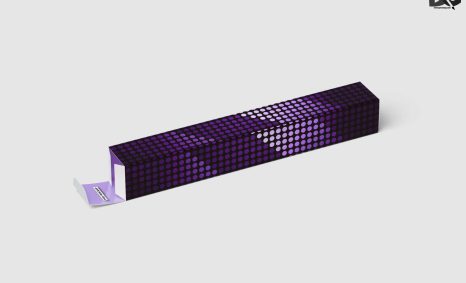
Use mockups to visualize how your palette looks in a real design. This could be a website, social media post, or product packaging.
2. Contrast Check
Ensure that text is legible against background colors. Use tools like the WebAIM Contrast Checker to verify your color combinations meet accessibility standards.
3. Gather Feedback
Share your designs with peers or your target audience to gather feedback. They can provide insights on whether your color choices evoke the intended emotion or message.
Final Thoughts
Creating stunning color palettes is both an art and a science. By understanding color theory, utilizing tools, and testing your designs, you can develop palettes that resonate with your audience and enhance your projects. Don’t shy away from experimenting and iterating. The world of color is vast, and the perfect palette is often just a few clicks away.
FAQ
What are the best tools for creating stunning color palettes?
Some popular tools for creating stunning color palettes include Adobe Color, Coolors, and Canva’s color palette generator.
How can I choose colors that work well together?
To choose colors that work well together, consider using complementary, analogous, or triadic color schemes, and utilize color harmony principles.
What role does color theory play in creating a stunning palette?
Color theory helps you understand how colors interact, allowing you to create visually appealing palettes that convey the right emotions and messages.
Can I create color palettes based on images?
Yes, you can create color palettes based on images using tools like Adobe Color or Palette Generator, which allow you to extract colors directly from your images.
What are some tips for creating a cohesive color palette?
To create a cohesive color palette, limit your colors to 3-5 main hues, ensure they complement each other, and maintain balance through shades and tints.
How do I test my color palette for usability?
To test your color palette for usability, apply it to your design and solicit feedback, ensuring it meets accessibility standards for contrast and readability.