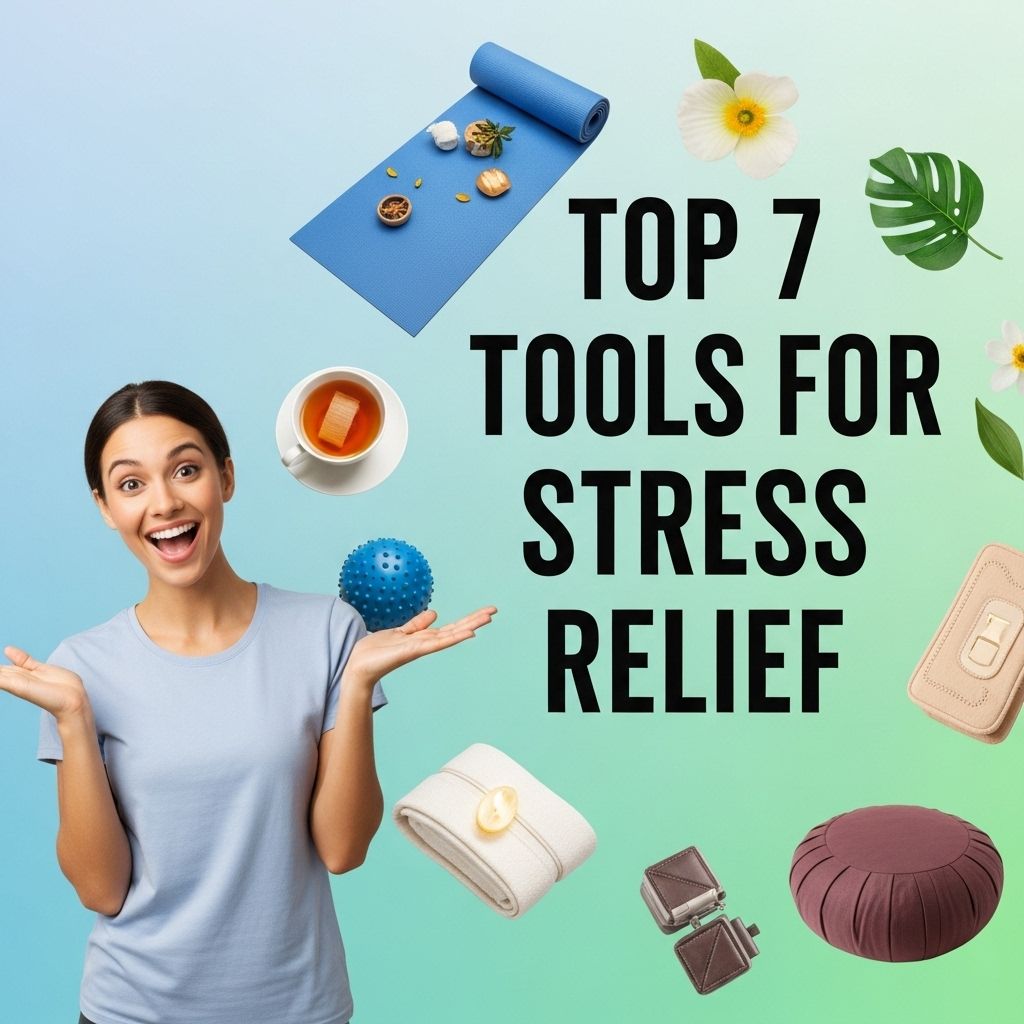
In today’s fast-paced world, stress has become an unavoidable part of our lives. Whether it’s due to work pressure, personal issues, or societal expectations, managing stress is crucial for maintaining mental and physical health. Luckily, there are numerous tools available that can help individuals effectively cope with stress. This article will delve into seven essential tools for stress relief, highlighting their benefits and how to incorporate them into your daily routine.
In today’s fast-paced world, stress management is essential for maintaining overall well-being. Discovering effective tools can help alleviate tension and restore balance, empowering you to navigate life’s challenges with resilience. This guide explores the top 7 tools that can enhance your stress relief efforts, ensuring that you not only cope but thrive: trends in web design.
Meditation Apps
Meditation apps have gained immense popularity in recent years as a convenient way to practice mindfulness and reduce stress. They offer guided sessions, soothing music, and breathing exercises that can help you find your calm amidst chaos.
Popular Meditation Apps
- Headspace: Offers a user-friendly interface with a variety of meditation sessions tailored to different needs.
- Calm: Features meditation, sleep stories, and relaxing music to help you unwind.
- Insight Timer: A free app with thousands of guided meditations from multiple teachers.
Physical Exercise
One of the most effective ways to reduce stress is through physical activity. Exercise releases endorphins, which are known as the body’s natural mood lifters. Regular physical activity can also boost your self-esteem and improve your overall mental health.
Types of Exercise Beneficial for Stress Relief
- Aerobic Exercises: Activities like running, swimming, and cycling can elevate your heart rate and improve your mood.
- Yoga: Combines physical postures, breathing exercises, and meditation to enhance relaxation.
- Strength Training: Lifting weights can also help in releasing stress and building self-confidence.
Breathing Techniques
Breathing techniques are a simple yet powerful tool for managing stress. They can be practiced anywhere and at any time, making them a convenient option for those in high-pressure situations.
Effective Breathing Techniques
| Technique | Description |
|---|---|
| Deep Breathing | Inhale deeply through the nose, allowing your abdomen to expand, then exhale slowly through the mouth. |
| 4-7-8 Breathing | Inhale for 4 seconds, hold for 7 seconds, and exhale for 8 seconds. |
| Box Breathing | Inhale for 4 seconds, hold for 4 seconds, exhale for 4 seconds, and hold for another 4 seconds. |
Digital Detox Tools
In an era dominated by technology, taking a break from screens can significantly reduce stress levels. Digital detox tools can assist in managing screen time, promoting healthier habits.
Recommended Digital Detox Tools
- Forest: A productivity app that encourages users to stay off their phones while growing a virtual tree.
- StayFocusd: A browser extension that limits the time spent on distracting websites.
- Moment: Tracks your screen time and helps you set limits on device usage.
Journaling
Keeping a journal is an excellent way to process thoughts and emotions, making it easier to cope with stress. By regularly writing down your feelings, you can gain clarity and insight into your stressors.
Types of Journals
- Gratitude Journals: Focus on things you are thankful for to shift your mindset.
- Reflective Journals: Analyze daily events and emotional responses for personal growth.
- Art Journals: Use drawings and images alongside words to express yourself creatively.
Nature Therapy
Spending time in nature can significantly reduce stress and enhance overall mood. Nature therapy, or ecotherapy, focuses on the psychological benefits of being in natural surroundings.
Ways to Incorporate Nature Therapy
- Hiking: Explore local trails to connect with the outdoors.
- Gardening: Cultivating plants can be therapeutic and rewarding.
- Nature Walks: Spend time in parks or green spaces, practicing mindfulness as you explore.
Conclusion
Stress relief tools play a crucial role in maintaining a balanced and healthy lifestyle. By incorporating meditation apps, exercise, breathing techniques, digital detox tools, journaling, and nature therapy into your routine, you can significantly reduce stress and improve your overall well-being. Remember, it’s essential to find what works best for you and make these practices a part of your daily life for lasting benefits. Embrace these tools and take the first step towards a more relaxed and fulfilling life.
FAQ
What are the best tools for stress relief?
Some of the best tools for stress relief include meditation apps, stress balls, aromatherapy diffusers, yoga mats, guided relaxation programs, and mindfulness journals.
How can meditation apps help in stress relief?
Meditation apps provide guided sessions that can help calm the mind, reduce anxiety, and promote relaxation, making them effective tools for managing stress.
Why are stress balls effective for relieving stress?
Stress balls help relieve tension by providing a physical outlet for stress through squeezing, which can lead to a decrease in anxiety levels.
What role does aromatherapy play in stress relief?
Aromatherapy uses essential oils to promote relaxation and improve mood, making it a popular tool for reducing stress and enhancing well-being.
Can yoga mats be considered a tool for stress relief?
Yes, yoga mats facilitate yoga practice, which is known for its stress-relieving benefits through movement, stretching, and breathing exercises.
How do mindfulness journals assist in managing stress?
Mindfulness journals encourage reflection and self-awareness, helping individuals process their thoughts and emotions, ultimately reducing stress.