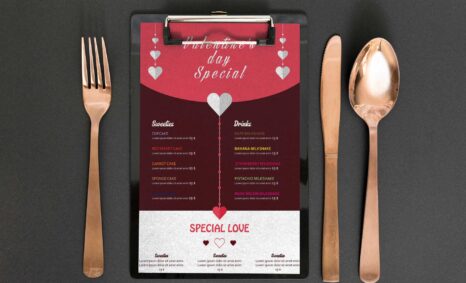
Choosing a trendy color palette is an essential aspect of design that can significantly impact the mood and aesthetic of your project. Whether you are designing a website, creating a brand identity, or planning an interior space, the colors you select can convey various emotions and messages. In this article, we will explore the principles of color theory, current color trends, and practical steps to help you choose a color palette that resonates with your audience and enhances your design.
Choosing the perfect trendy color palette is essential for creating an engaging website that resonates with your audience. The right colors can enhance user experience and convey your brand’s message effectively. For inspiration, explore various website mockup examples.
Understanding Color Theory
Color theory is the foundation that helps designers understand how colors interact with each other and how they can be combined to create visually appealing designs. The color wheel, which includes primary, secondary, and tertiary colors, is a tool that designers use to create harmonious color schemes.
The Color Wheel
The color wheel consists of 12 colors:
- Primary Colors: Red, Blue, Yellow
- Secondary Colors: Green, Orange, Purple (created by mixing primary colors)
- Tertiary Colors: Yellow-Orange, Red-Orange, Red-Purple, Blue-Purple, Blue-Green, Yellow-Green
Color Schemes
When selecting a color palette, you can use various color schemes based on relationships on the color wheel:
- Monochromatic: Variations of a single color.
- Analogous: Colors that are next to each other on the wheel.
- Complementary: Colors that are opposite each other on the wheel.
- Triadic: Three colors that are evenly spaced around the wheel.
Current Color Trends
Staying updated with current color trends can also influence your choices. Trends often reflect cultural shifts, technological advances, and even fashion. Here’s a look at some of the color trends you might consider:
2023 Color Trends
The following colors have gained popularity this year:
| Color | Hex Code | Meaning |
|---|---|---|
| Viva Magenta | #D50032 | Boldness, passion, energy |
| Classic Blue | #0E4C92 | Stability, confidence, reliability |
| Earthy Tones | #CCB28D | Groundedness, warmth, nature |
| Soft Pastels | #F3D1B0 | Calmness, lightness, serenity |
| Neon Accents | #FF4D00 | Excitement, modernity, vibrancy |
Steps to Choosing a Color Palette
Now that you have a grasp of color theory and awareness of current trends, let’s dive into actionable steps to choose a color palette that fits your project.
Step 1: Define Your Purpose
Understanding the purpose of your project is the first step. Ask yourself:
- What is the main message or feeling I want to convey?
- Who is my target audience?
- What kind of response do I want to evoke?
Step 2: Gather Inspiration
Inspiration can come from various sources, such as:
- Nature
- Fashion and textiles
- Art and photography
- Interior design
Websites like Pinterest and Behance are excellent for collecting visual references. Create a mood board to visualize how different colors work together.
Step 3: Create Your Palette
Use tools like Adobe Color, Coolors, or Canva to experiment with different combinations. Here are a few tips:
- Start with a base color and select complementary or analogous colors.
- Limit your palette to 3-5 colors for simplicity and coherence.
- Test the colors in different contexts to see how they interact with other design elements.
Step 4: Test and Revise
Once you have a draft palette, test it in your design. Gather feedback from peers or your target audience. Consider the following:
- Do the colors evoke the intended emotions?
- Are they accessible and easy to read?
- Do they align with your brand identity?
Color Accessibility Considerations
Your color choices should also consider accessibility. Ensure that:
- There is sufficient contrast between background and text colors.
- Colors do not rely solely on hue for conveying information (e.g., in charts).
- Colorblind-friendly palettes are considered.
Tools for Checking Accessibility
Utilize tools such as:
Conclusion
Choosing a trendy color palette requires a combination of understanding color theory, keeping up with current trends, and being mindful of your project’s purpose and audience. By following the outlined steps, you can create a color palette that enhances your design and effectively communicates your message. Remember, the right colors can make a significant difference in how your project is perceived, so take the time to select wisely and thoughtfully.
FAQ
What are the key factors to consider when choosing a trendy color palette?
When selecting a trendy color palette, consider current design trends, the psychology of colors, seasonal influences, and the target audience’s preferences.
How can I find inspiration for trendy color palettes?
You can find inspiration for trendy color palettes by exploring platforms like Pinterest, design blogs, and fashion websites, as well as using color palette generators.
What are some popular color combinations for 2023?
Popular color combinations for 2023 include earthy tones paired with vibrant accents, pastel shades combined with bold colors, and monochromatic schemes with varying textures.
How do I ensure my color palette is versatile for different projects?
To ensure versatility, choose a color palette with a balance of neutral tones and bold colors, allowing for flexibility across various applications and designs.
Can I use color trend forecasts to guide my palette choices?
Yes, color trend forecasts from organizations like Pantone can provide valuable insights and guidance for selecting a modern and trendy color palette.