The Dynamic Evolution of Web Design
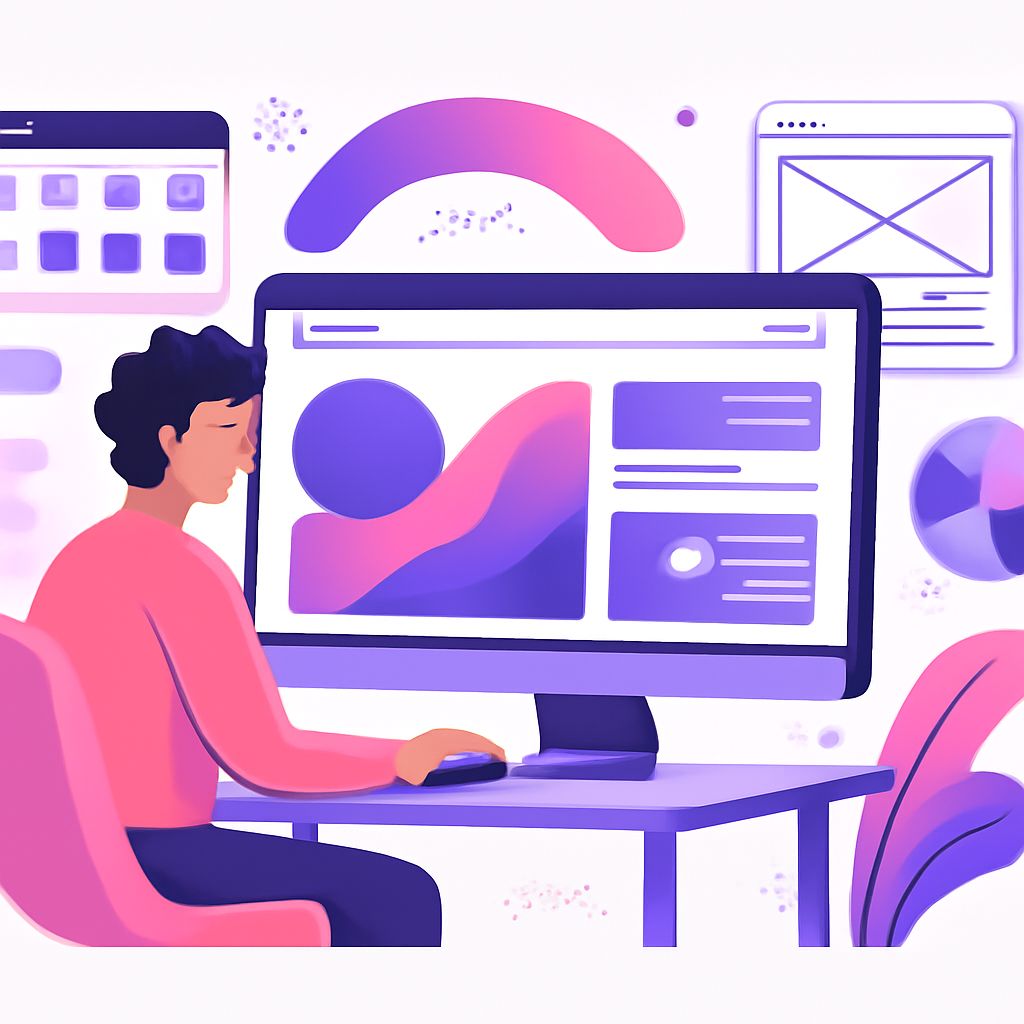
The digital landscape is ever-changing, and web design sits at the forefront of this rapid evolution. As technology advances, so do the expectations and desires of users navigating the online world. Today, businesses and designers must stay ahead of the curve, adapting to new trends that promise not only to enhance aesthetics but also user experience and functionality. This article explores the revolutionary web design trends shaping the future, offering insights into how they can be harnessed to create engaging, innovative websites.
As web design continues to evolve, innovative trends are emerging that are reshaping the digital landscape. From immersive experiences and bold typography to sustainable practices, these developments are essential for staying relevant in a competitive market. To explore these transformative shifts, check out the latest insights on trends in web design.
Embracing Minimalism and Simplicity
Minimalism has been a steadfast trend in web design for several years, and its influence continues to grow. The future of web design is likely to be characterized by even more minimalist approaches, focusing on simplicity, speed, and usability.
Key Elements of Minimalist Design
- Whitespace: Whitespace, or negative space, is crucial in minimalist design. It helps to highlight essential elements and create a clean, organized look.
- Simple Navigation: Streamlined navigation facilitates ease of use, allowing users to find what they need quickly and without frustration.
- Focused Content: Minimalism prioritizes content, ensuring that messaging is clear and direct, without unnecessary distractions.
Artificial Intelligence and Machine Learning Integration
AI and machine learning are not just buzzwords; they are pivotal to the future of web design. These technologies allow for personalized, data-driven user experiences, enhancing interactivity and engagement.
Applications of AI in Web Design
- Chatbots: AI-powered chatbots provide instant customer service, improving user satisfaction and reducing bounce rates.
- Personalization: Machine learning algorithms can tailor website content to individual user preferences, increasing relevance and engagement.
- Automated Design: AI tools can suggest design improvements and automate repetitive tasks, streamlining the design process.
Responsive Design and Mobile-First Approach
With the majority of web traffic now coming from mobile devices, responsive design has never been more critical. The future of web design is decidedly mobile-first, ensuring that websites look and perform well on any device.
Essentials of Mobile-First Design
- Flexible Grids: Use of flexible grids ensures content adapts seamlessly across different screen sizes.
- Scalable Images: Images are optimized to maintain quality and performance, no matter the device.
- Touch-Friendly Design: Interfaces are designed for touch, with larger buttons and spacing to accommodate finger taps.
Immersive Experiences with AR and VR
Augmented reality (AR) and virtual reality (VR) are set to revolutionize web design by creating immersive, interactive experiences that captivate users. These technologies provide an opportunity for businesses to engage with their audience in innovative ways.
Implementing AR and VR in Web Design
- Interactive Product Showcases: AR and VR can be used to create virtual product experiences, allowing users to explore products in a simulated environment.
- Virtual Tours: Websites can offer virtual tours of their establishments, giving users a sense of presence and familiarity.
- Enhanced Storytelling: VR can be used to craft compelling narratives, drawing users into a more engaging and memorable journey.
The Rise of Voice User Interface (VUI)
As voice-activated devices become ubiquitous, VUI is emerging as a crucial component of web design. It allows users to interact with websites through voice commands, offering a hands-free, efficient browsing experience.
Benefits of Integrating VUI
| Feature | Benefit |
|---|---|
| Accessibility | VUI enhances accessibility for users with physical limitations, improving inclusivity. |
| Convenience | Hands-free navigation allows users to multitask, increasing usability. |
| Natural Interaction | VUI offers a more intuitive way for users to interact with websites, mimicking natural conversation. |
Conclusion
The future of web design is rich with possibilities, driven by technological advancements and changing user behaviors. By embracing these revolutionary trends, designers and businesses can create websites that are not only visually appealing but also highly functional and engaging. Staying ahead of these trends will be crucial for businesses aiming to maintain their competitive edge in the digital world.
FAQ
What are the top revolutionary web design trends for 2024?
The top revolutionary web design trends for 2024 include immersive 3D elements, AI-driven design personalization, minimalistic navigation, dark mode, and voice-activated interfaces.
How is AI impacting web design trends?
AI is impacting web design by enabling personalized content, automating design processes, optimizing user experiences, and providing insights into user behavior to create more engaging websites.
Why is dark mode becoming a popular web design trend?
Dark mode is popular because it reduces eye strain, saves battery life on mobile devices, and offers a sleek, modern aesthetic that enhances content visibility.
What role does minimalistic navigation play in web design?
Minimalistic navigation enhances user experience by reducing clutter, making websites easier to navigate, and ensuring that users can quickly find the information they need.
How are 3D elements revolutionizing web design?
3D elements are revolutionizing web design by creating immersive experiences that capture attention, increase engagement, and provide a more interactive and dynamic user interface.
What is the future of voice-activated interfaces in web design?
The future of voice-activated interfaces in web design involves creating hands-free navigation experiences, improving accessibility, and integrating with smart devices to enhance user interaction.