In today’s fast-paced world, the concept of minimalist design has gained significant traction, as it offers a breath of fresh air in the form of simplicity and functionality. Transforming your space with minimalist design goes beyond mere aesthetics; it encompasses a lifestyle choice that promotes clarity, peace, and purpose in our living environments. This article explores the principles of minimalist design, its benefits, and practical tips to help you embrace this transformative approach to your space.
Transforming your space with minimalist design allows for a serene and clutter-free environment that promotes clarity and focus. By prioritizing functionality and simplicity, you can create a harmonious atmosphere in any room. For those looking to enhance their designs, consider exploring resources like download mug mockups for free to complement your minimalist aesthetic.
Understanding Minimalist Design
Minimalist design is characterized by its simplicity and lack of clutter. It emphasizes functionality and a clean aesthetic, often incorporating a limited color palette and the use of natural materials. The goal is to create spaces that evoke a sense of tranquility while also being practical and efficient.
Key Principles of Minimalist Design
- Simplicity: The design should focus on the essentials, stripping away unnecessary elements.
- Functionality: Each piece of furniture or decor should serve a purpose, contributing to the overall experience of the space.
- Neutral Color Palettes: Minimalist designs often feature soft, neutral tones that create a calming atmosphere.
- Natural Materials: Using materials like wood, stone, and metal not only enhances the aesthetic but also connects the space to nature.
Benefits of Minimalist Design
Adopting a minimalist design approach comes with multiple benefits that extend beyond visual appeal. Here are some noteworthy advantages:
- Reduced Stress: A clutter-free environment can lead to lower stress levels and enhanced mental clarity.
- Increased Focus: With fewer distractions, you can concentrate better on the tasks at hand.
- Efficient Use of Space: Minimalist design maximizes available space, making small areas feel larger and more open.
- Ease of Maintenance: Fewer items mean less cleaning and upkeep, allowing more time for relaxation and enjoyment.
Creating a Minimalist Space
Transforming your space into a minimalist haven requires careful planning and consideration. Here’s a step-by-step guide to get you started:
1. Declutter Your Space
The first step in embracing minimalism is to declutter. This involves removing items that are no longer useful or meaningful to you. Consider the following:
- Go room by room, assessing each item.
- Ask yourself if you use it regularly or if it holds sentimental value.
- Consider donating or selling items that no longer serve a purpose.
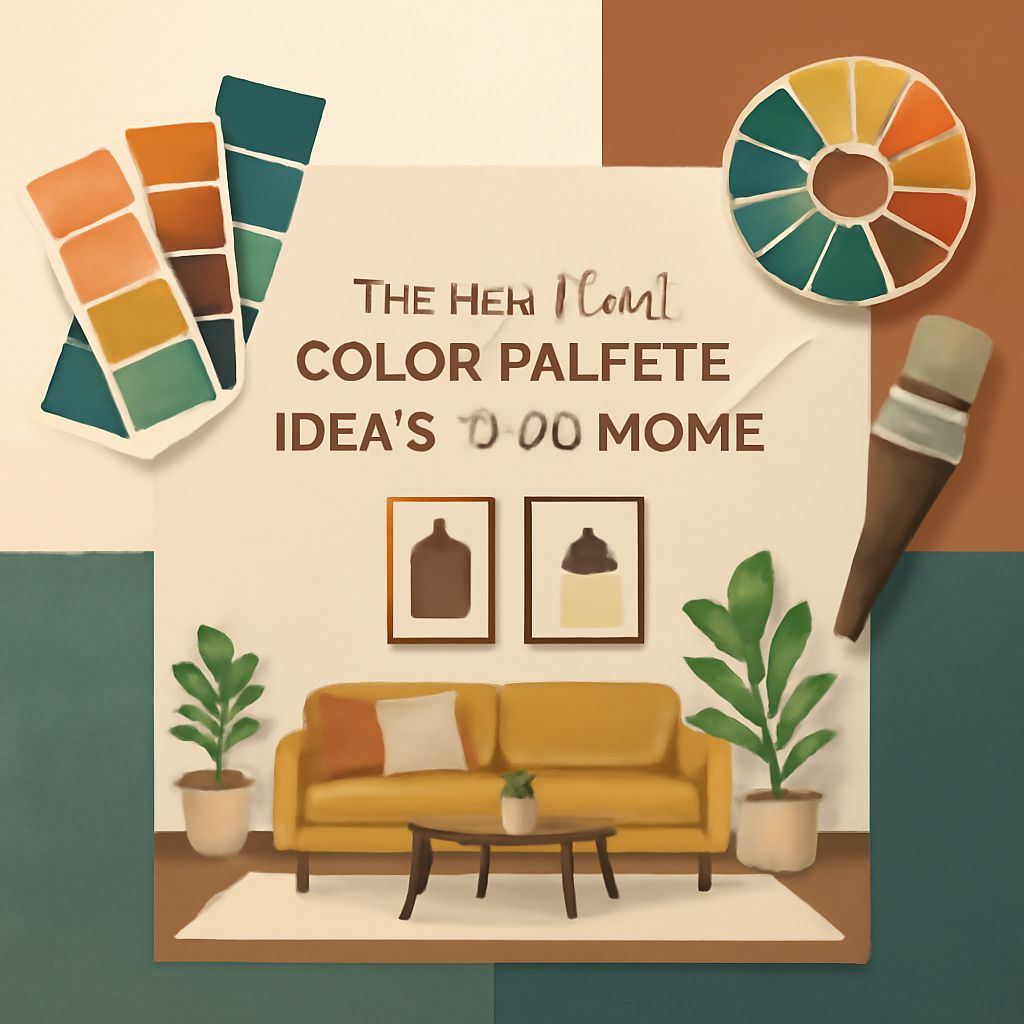
2. Choose a Neutral Color Palette
Select a color scheme that evokes a sense of calm. Popular neutral colors include:
| Color | Hex Code |
|---|---|
| White | #FFFFFF |
| Beige | #F5F5DC |
| Light Gray | #D3D3D3 |
| Soft Black | #000000 |
3. Invest in Multi-Functional Furniture
Opt for furniture pieces that serve multiple purposes, such as:
- Sofa beds: Ideal for small living areas.
- Storage ottomans: Great for both seating and storage.
- Convertible tables: Perfect for dining or working.
4. Use Negative Space Creatively
Negative space is an integral part of minimalist design. It refers to the empty areas around objects that help to define their shapes. To utilize negative space:
- Leave some walls blank to create a sense of openness.
- Ensure that furnishings are spaced adequately apart.
- Incorporate large rugs or mats to define areas without crowding.
Incorporating Minimalist Design Elements
To truly capture the essence of minimalist design, consider adding these elements to your space:
1. Natural Light
Maximize natural light by:
- Using sheer curtains to allow sunlight to filter through.
- Positioning mirrors strategically to reflect light.
- Keeping windows unobstructed to create an airy feel.
2. Minimal Accessories
When it comes to decor, less is often more. Choose a few high-quality pieces that resonate with you, such as:
- Abstract artwork that offers a pop of color.
- A single plant for a touch of nature.
- Simple sculptures that add character without overwhelming a space.
3. Quality over Quantity
Invest in fewer, higher-quality items rather than filling your home with inexpensive decor. This not only elevates your space but also encourages a more sustainable lifestyle.
Maintaining a Minimalist Space
Once you have transformed your space, maintaining a minimalist lifestyle is crucial. Here are some tips to help you stay on track:
- Regularly assess your belongings and declutter as needed.
- Practice mindful purchasing—only buy items that add value to your life.
- Implement a cleaning routine that aligns with minimalist principles, focusing on essential tasks.
Conclusion
Transforming your space with minimalist design is a journey that promotes simplicity, functionality, and peace. By understanding its core principles, embracing its benefits, and integrating practical tips, you can create a serene environment that fosters clarity and well-being. As you embark on this minimalist adventure, remember that the key lies in intentionality—choose what you keep, let go of the excess, and enjoy the beauty that simplicity brings.
FAQ
What is minimalist design?
Minimalist design is a style that emphasizes simplicity and functionality, focusing on the essentials while eliminating unnecessary elements.
How can I incorporate minimalist design in my home?
You can incorporate minimalist design by decluttering your space, choosing a neutral color palette, and selecting furniture that serves multiple purposes.
What are the benefits of minimalist design?
The benefits of minimalist design include reduced stress, improved organization, and a timeless aesthetic that can enhance the beauty of your space.
Is minimalist design suitable for all types of spaces?
Yes, minimalist design can be adapted to various types of spaces, from small apartments to large homes, making it versatile and appealing.
Can I still add personal touches in a minimalist design?
Absolutely! You can add personal touches through carefully selected art, plants, or meaningful decor items that enhance the minimalist aesthetic.