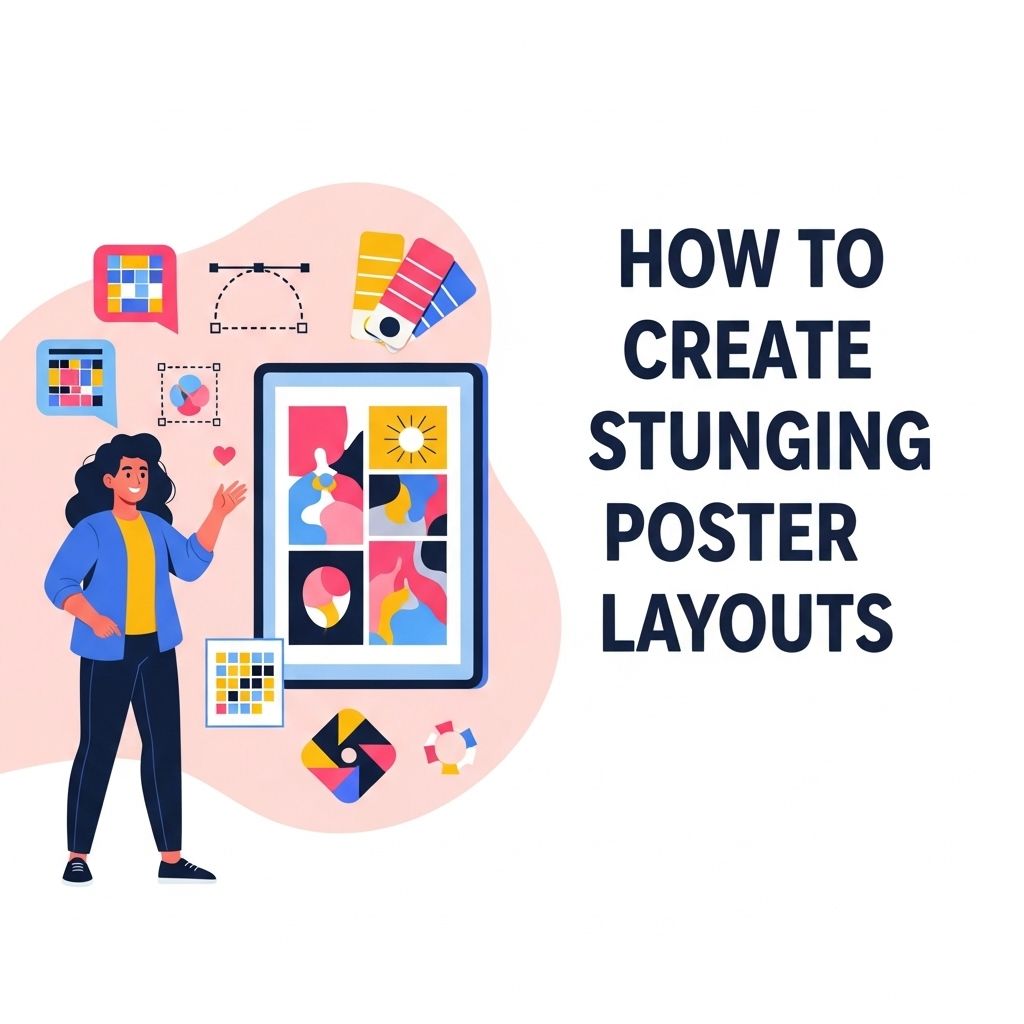
Creating visually stunning poster layouts is an art form that combines creativity, design principles, and an understanding of visual hierarchy. Whether you’re designing for a corporate event, a music festival, or a community initiative, having a well-designed poster can significantly enhance the engagement and effectiveness of your message. In this article, we will explore various aspects of poster design, including layout techniques, color selection, typography, and tools that can help you create eye-catching posters.
Creating stunning poster layouts can elevate your designs and capture attention effectively. In this step-by-step guide, we’ll explore essential techniques that will help you craft visually appealing posters suitable for any occasion. For inspiration, discover creative mug mockups that demonstrate how dynamic layouts can enhance product presentation.
Understanding the Basics of Poster Design
Before diving into the specifics of creating a poster, it’s essential to grasp the foundational elements that contribute to an effective design. Here are some basic components:
- Visual Hierarchy: Organizing elements in a way that guides the viewer’s eye.
- Contrast: Using differences in color, size, and shape to make important elements stand out.
- Alignment: Ensuring that all elements have a visual connection and are arranged neatly.
- White Space: The empty space around elements that helps to reduce clutter and improve readability.
Choosing the Right Layout
The layout of your poster is crucial as it determines how information is presented. Here are some popular layout styles:
1. Grid Layout
This layout employs a grid system to align elements systematically. It’s perfect for structured information and helps maintain balance.
2. Asymmetrical Layout
For those looking to create dynamic and unconventional designs, asymmetrical layouts break the rules of balance and can attract attention.
3. Focal Point Layout
This design centers around one key visual or message, making it easy for viewers to grasp the main idea quickly. The other elements support this focal point.
Color Selection
Colors evoke emotions and should be chosen carefully to align with the message of your poster. Here are some tips for color selection:
- Understand Color Theory: Familiarize yourself with the color wheel, complementary colors, and the emotional impact of colors.
- Limit Your Palette: Stick to three to five colors to maintain consistency and coherence.
- Test for Accessibility: Ensure that your color choices are readable for those with color vision deficiencies.
Color Combinations Examples
| Color Scheme | Primary Color | Complementary Color |
|---|---|---|
| Warm Tones | Red | Green |
| Cool Tones | Blue | Orange |
| Neutral Palette | Gray | Beige |
Typography Matters
Typography plays a significant role in poster design. The right font can enhance readability and convey your message effectively.
1. Font Pairing
Selecting the right combination of fonts can create visual interest. Here are some tips:
- Choose a bold font for headlines and a simpler font for body text.
- Avoid using more than two or three different fonts on a single poster.
2. Readability
Ensure your text is legible from a distance. Use large font sizes for titles and subtitles and maintain a contrast between text and background.
Incorporating Images and Graphics
Images can make your poster more engaging. Here’s how to effectively incorporate them:
- High-Quality Images: Use images with high resolution to avoid pixelation.
- Consistent Style: Choose images that match the overall theme of your poster.
- Vector Graphics: These are scalable and maintain quality regardless of size, making them ideal for posters.
Using Design Tools
Fortunately, there are various tools available for both beginners and experienced designers that simplify the design process:
- Canva: User-friendly and offers pre-made templates.
- Adobe Illustrator: A professional tool for detailed design work.
- Visme: Great for creating infographics and posters.
- Affinity Designer: A cost-effective alternative to Adobe products.
Testing and Feedback
Once your poster is designed, it’s crucial to gather feedback. Here are some steps to consider:
- Show your design to friends or colleagues for their impressions.
- Conduct a small survey to gather opinions on clarity and aesthetics.
- Make adjustments based on the feedback received.
Final Touches and Printing
As you finalize your design, keep the following in mind:
- Ensure that all elements are aligned and sized correctly.
- Export your design in the correct format (PDF, PNG) for printing.
- Choose the right paper and printing method to enhance your poster.
Creating stunning poster layouts involves a combination of design fundamentals and creative exploration. By understanding layout types, color theory, typography, and utilizing design tools effectively, you can produce posters that not only look appealing but also convey your message with impact. The key is to experiment, seek feedback, and continuously refine your skills. Happy designing!
FAQ
What are the key elements of a stunning poster layout?
A stunning poster layout typically includes a strong focal point, balanced composition, effective use of colors, readable typography, and appropriate imagery.
How do I choose the right color scheme for my poster?
Choose a color scheme that complements your message and audience. Use tools like color wheel or online palette generators to find harmonious combinations.
What font styles are best for poster design?
Opt for bold, legible fonts for headlines and simpler fonts for body text. Avoid using more than two or three different fonts to maintain consistency.
How can I use images effectively in my poster?
Use high-quality images that enhance the message. Ensure they are relevant and strategically placed to draw attention without overwhelming the design.
What software is best for creating poster layouts?
Popular software options include Adobe Illustrator, Photoshop, Canva, and Inkscape, each offering unique features suitable for poster design.
How do I ensure my poster is print-ready?
Ensure your poster design is in the correct resolution (300 DPI), uses CMYK color mode for printing, and includes bleed areas if required by the printer.