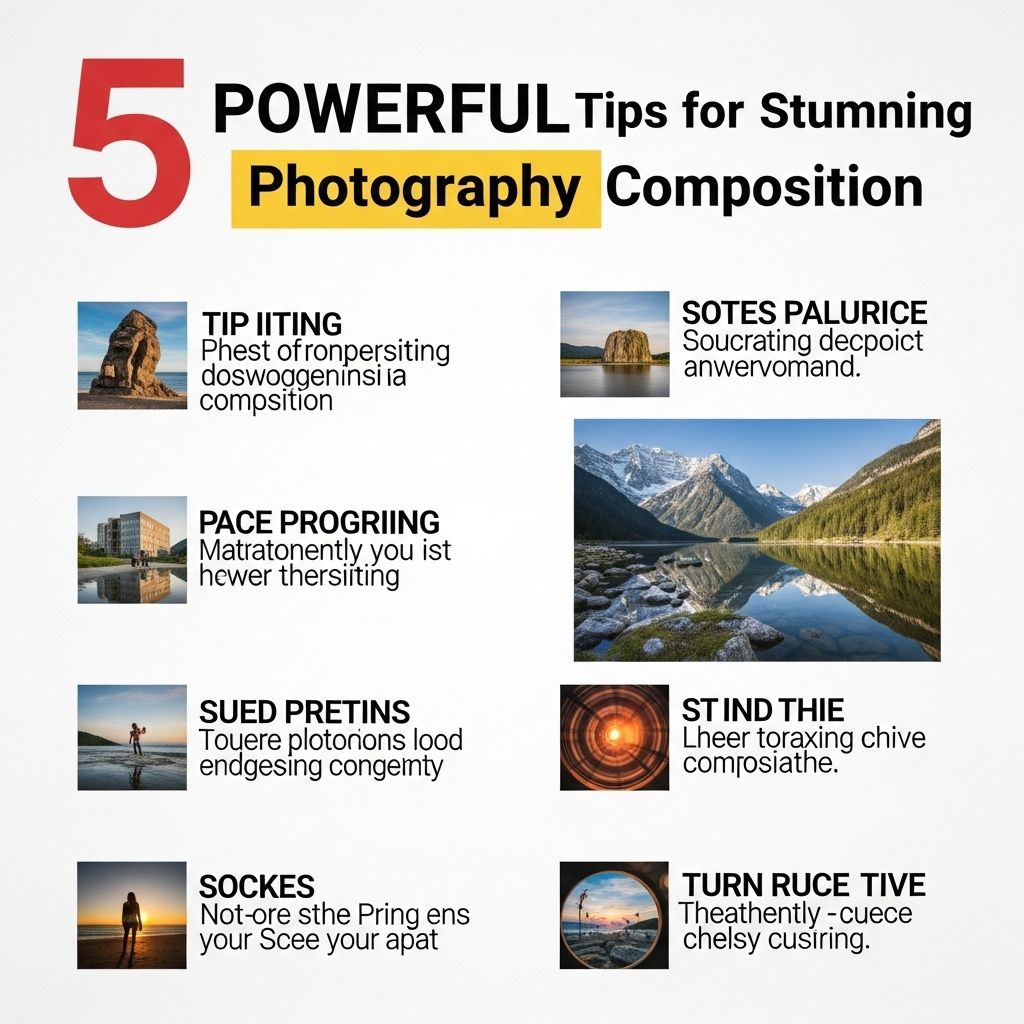
Photography is an art that blends technique, creativity, and vision. Achieving stunning photography composition involves understanding various principles that can elevate a mere picture into a breathtaking visual story. Whether you are an aspiring photographer or a seasoned professional, these powerful tips will guide you in enhancing your composition skills. In this article, we will delve into key techniques that can transform your photographs and help you convey your artistic vision.
Mastering photography composition can transform your images from ordinary to stunning. In this guide, we’ll explore five powerful tips to elevate your work and create captivating visuals. Plus, if you’re in need of inspiration, view our free mug templates to showcase your photography in unique ways.
Understanding the Basics of Composition
The foundation of great photography lies in its composition. Composition refers to the arrangement of elements within a frame. A well-composed image draws the viewer’s eye and creates a narrative. Here are some fundamental concepts to consider:
- Rule of Thirds: Divide your image into a 3×3 grid, placing points of interest along the lines or at their intersections.
- Leading Lines: Use natural lines within the scene to lead the viewer’s eye to the focal point.
- Framing: Use elements in your environment to frame the subject and add depth.
The Power of Perspective
Changing your viewpoint can drastically alter the composition of your photograph. Experiment with different angles and heights to find the most compelling perspective. Here are a few techniques:
1. Change Your Elevation
Getting low to the ground or shooting from a higher vantage point can create unique compositions.
2. Move Around
Don’t be afraid to walk around your subject. Different vantage points can yield surprising results.
3. Use a Wide-Angle Lens
A wide-angle lens can capture a broader scene and create an immersive effect, especially in landscape photography.
Utilizing Negative Space
Negative space refers to the area that surrounds the main subject of your photograph. It is crucial for emphasizing the subject and providing context. Here’s how to use negative space effectively:
- Isolate Your Subject: By placing your subject against a clean background, you can make it stand out.
- Create a Mood: Empty space can evoke feelings of solitude or tension.
- Balance the Composition: Negative space can provide a harmonious balance to a busy scene.
Color and Contrast
Color plays an essential role in photography composition. Understanding how to manipulate color and contrast can lead to more visually engaging images.
1. Use Complementary Colors
Colors that are opposite each other on the color wheel increase vibrancy. For example, pairing blue with orange can create a striking visual effect.
2. Emphasize Contrast
Contrast can be established through the use of light and dark elements. High contrast can draw attention, while low contrast offers a softer, more subtle feel.
Creating Depth and Dimension
Incorporating depth into your photographs can provide a three-dimensional feel, making images more engaging. Here are methods to achieve depth:
1. Layering
Add foreground, middle ground, and background elements to create a sense of depth. For instance, include objects in the foreground that lead the viewer’s eye into the scene.
2. Atmospheric Perspective
Utilize atmospheric effects like fog, haze, or blurred backgrounds to emphasize depth. This technique helps convey distance and adds a dreamy quality.
3. Shadows and Highlights
Use the interplay of light and shadow to create dimension in your subject. Proper lighting can enhance textures and shapes.
Practice and Experimentation
Ultimately, the best way to master photography composition is through practice. Don’t be afraid to experiment with different techniques and styles. Here are some actionable steps to improve your skills:
- Take Daily Shots: Commit to capturing at least one photograph every day, focusing on different composition techniques.
- Analyze Your Work: Review your past photographs to identify what worked and what didn’t.
- Seek Feedback: Join photography groups or online forums to share your work and receive constructive criticism.
Final Thoughts
Mastering photography composition is an ongoing journey that requires patience, practice, and a willingness to learn. By implementing these powerful tips, you can create stunning images that capture the essence of your subject and resonate with your audience. Remember, the world of photography is vast, and every click of the shutter presents a new opportunity for creativity. Embrace the process, and let your passion shine through your compositions.
FAQ
What are the key elements of photography composition?
The key elements of photography composition include the rule of thirds, leading lines, framing, symmetry, and depth.
How can I use the rule of thirds in my photography?
To use the rule of thirds, divide your frame into a 3×3 grid and place your subject along the lines or at the intersections to create a more balanced and engaging composition.
What are leading lines and how do they enhance composition?
Leading lines are natural lines in the scene that draw the viewer’s eye toward the main subject, enhancing depth and guiding the viewer through the photograph.
Why is framing important in photography composition?
Framing helps to isolate the subject from the background, adding context and focus, which can create a more compelling image.
How can symmetry be effectively used in photography?
Symmetry can create a sense of balance and harmony in your images, making them visually appealing and striking when used thoughtfully.
What techniques can I use to create depth in my photos?
To create depth, use foreground elements, varying layers, and different focal lengths to enhance the three-dimensional feel of your images.