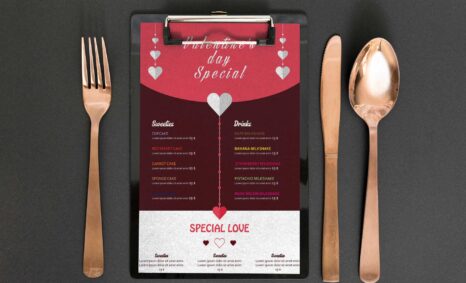
Mastering the art of poster presentation is crucial for anyone looking to effectively communicate their ideas, research, or projects in an academic or professional setting. Whether you are presenting at a conference, seminar, or classroom, your poster serves as a visual communication tool that can attract attention and facilitate discussions. In this article, we will explore the key elements of creating and delivering an impactful poster presentation, ensuring you stand out and effectively convey your message.
Mastering poster presentations requires attention to both design and delivery. By utilizing effective layouts, clear visuals, and engaging content, you can capture your audience’s interest and convey your message efficiently. To enhance your projects, find unique bag model templates that can aid in presenting your ideas creatively.
Understanding Your Audience
Before diving into the creation of your poster, it’s essential to understand who your audience will be. Knowing their level of expertise and interests will shape the content and design of your poster. Ask yourself:
- What is the background knowledge of my audience?
- What details will they find most interesting?
- How can I make my information accessible and engaging?
Designing an Effective Poster
The design of your poster plays a significant role in how your message is perceived. Here are some key elements to consider:
Layout and Structure
A well-structured poster allows viewers to navigate content easily. Here’s a suggested layout:
| Section | Content |
|---|---|
| Title | Engaging and concise title with your name and institution |
| Introduction | Brief background information and research question |
| Methods | Summarized methodology used in your research |
| Results | Key findings presented visually (charts, graphs, etc.) |
| Discussion | Interpretation of results and implications |
| Conclusion | Key takeaways and future directions |
| References | Cite relevant studies and sources |
Color and Fonts
Using the right colors and fonts enhances readability and engagement:
- Choose a color scheme that is visually appealing and consistent.
- Use high-contrast colors for the text and background.
- Select simple, legible fonts (e.g., Arial, Helvetica) and limit the number of different fonts to two.
- Ensure font sizes are appropriate: Titles (72 pt), Section headers (48 pt), Body text (24 pt).
Visual Elements
Visual components like images, graphs, and charts are critical for breaking up text and enhancing understanding:
- Use high-resolution images to maintain professionalism.
- Graphs and charts should be clear, labeled, and relevant.
- Incorporate infographics for complex data to make it more digestible.
Preparing for the Presentation
Once your poster is ready, preparation for the actual presentation is key:
Practice Your Pitch
An effective presentation involves more than just standing by your poster. Practice delivering a concise overview of your work:
- Summarize the main points of your research in about 2-3 minutes.
- Prepare for questions; anticipate what your audience may ask.
- Tailor your pitch based on the audience’s expertise level.
Engaging with Your Audience
During your presentation, engagement is crucial:
- Make eye contact and remain approachable.
- Invite questions and encourage discussions.
- Be passionate and enthusiastic about your topic.
Common Mistakes to Avoid
Even seasoned presenters can make mistakes. Here are some common pitfalls to watch out for:
- Overloading the poster with too much information.
- Using complex jargon without explanations.
- Neglecting to rehearse your delivery.
- Forgetting to cite sources and references.
Utilizing Feedback for Improvement
After presenting, seek feedback from peers or mentors. This can provide valuable insights and help refine your skills for future presentations:
- Ask specific questions about what worked and what didn’t.
- Implement constructive criticism in your next project.
- Consider video recording your presentation to analyze your performance.
Conclusion
Presenting a poster like a pro is an invaluable skill that combines design, content, and delivery. By understanding your audience, employing effective design principles, preparing adequately, and engaging with viewers, you can create a memorable presentation that resonates. Remember, practice makes perfect, so take every opportunity to refine your skills and share your insights confidently.
FAQ
What are the key elements of an effective poster presentation?
An effective poster presentation should include a clear title, concise content, engaging visuals, and a logical layout that guides the viewer’s eye.
How can I make my poster visually appealing?
To make your poster visually appealing, use high-quality images, a cohesive color scheme, readable fonts, and plenty of white space to avoid clutter.
What should I include in the content of my poster?
The content of your poster should include an introduction, methods, results, and a conclusion, presented in a succinct manner to facilitate quick understanding.
How do I engage my audience during a poster presentation?
Engage your audience by making eye contact, encouraging questions, and inviting discussion about your research and findings.
What are some common mistakes to avoid in poster presentations?
Common mistakes to avoid include overcrowding the poster with text, using difficult-to-read fonts, and failing to practice your verbal presentation.
How can I effectively communicate my research findings on a poster?
Effectively communicate your research findings by summarizing key points, using bullet lists, and incorporating visuals like graphs and charts to illustrate data.