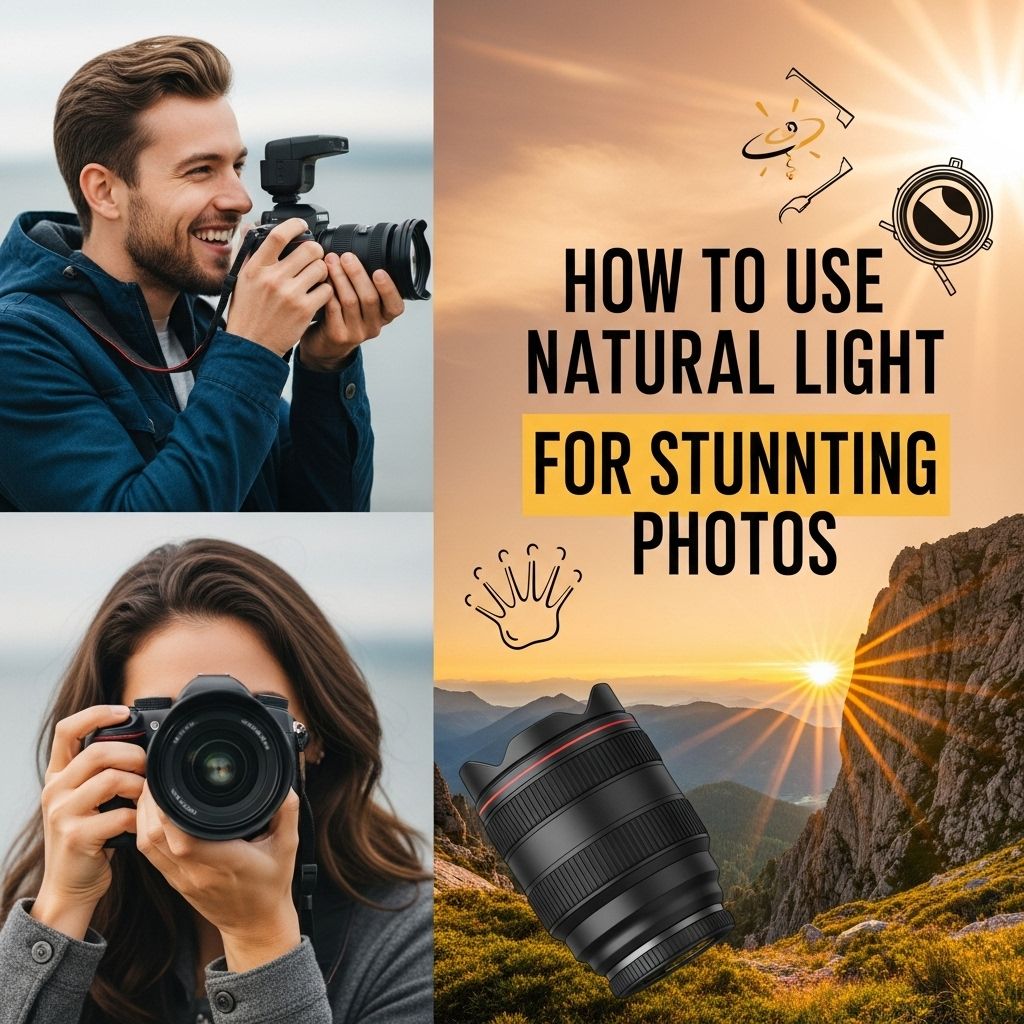
Capturing stunning photographs often hinges on one essential element: light. Natural light, in particular, can elevate your photography to new heights, creating mood, texture, and depth. Understanding how to effectively harness natural light can set your images apart. This article will explore various techniques, tips, and scenarios for using natural light, helping you to take your photographic skills to the next level.
Mastering natural light can elevate your photography by creating stunning, vibrant images. Understanding how to harness different lighting conditions—whether soft morning light or the golden hour—allows photographers to capture the beauty of their subjects more effectively. For additional inspiration, check out our mug mockups to see creative ways to combine photography with design.
Understanding Natural Light
Natural light is the light that comes from the sun, either directly or indirectly. It varies significantly throughout the day and can drastically change the atmosphere and feel of an image. Recognizing the different qualities of natural light is key to achieving the best results.
Factors Affecting Natural Light
- Time of Day: The angle and intensity of sunlight change significantly from morning to evening.
- Weather Conditions: Overcast skies diffuse sunlight, softening shadows and colors.
- Location: Urban environments may create interesting light reflections, while natural landscapes provide open skies.
The Golden Hour
One of the most celebrated times for photography is during the golden hour, which occurs shortly after sunrise and before sunset. The light during these periods is warm and soft, perfect for creating dreamy images.
How to Capture the Golden Hour
- Plan Your Shoot: Use apps to find out when the golden hour occurs in your location.
- Arrive Early: Give yourself time to set up and experiment with different angles.
- Adjust Your Settings: Lower ISO and increase shutter speed to adapt to the softer light.
Using Shadows Creatively
Natural light can produce strong shadows, which can add depth and interest to your photos. Experimenting with shadows can lead to unique and compelling compositions.
Techniques for Shadow Play
| Technique | Description |
|---|---|
| Backlighting | Position your subject between the light source and the camera to create silhouettes. |
| Side Lighting | Use light coming from the side to enhance textures and create dramatic contrasts. |
| Diffused Light | Utilize reflectors or shoot during overcast conditions to soften harsh shadows. |
Portrait Photography in Natural Light
When it comes to portrait photography, natural light can produce flattering results without the need for artificial lighting. Here are some tips to consider:
Best Practices for Natural Light Portraits
- Find Open Shade: Locate areas that are shaded by trees or buildings to avoid harsh sunlight.
- Use Reflectors: Bounce light back onto your subject’s face for a more even light distribution.
- Focus on Eyes: Ensure the eyes are well-lit, as they draw viewers’ attention.
Landscape Photography with Natural Light
Natural light also plays a significant role in landscape photography. Depending on the conditions, it can create stunning effects that enhance the natural beauty of the scene.
Techniques for Landscape Photography
- Utilize Leading Lines: Use natural light to highlight paths, rivers, or trails leading into the scene.
- Layer Your Shot: Incorporate foreground elements that catch sunlight to add depth.
- Experiment with Different Angles: Change your perspective to explore how light interacts with the landscape.
Post-Processing Natural Light Photos
Even the best natural light images may require a bit of post-processing to bring out their full potential. Here’s how to enhance your natural light photos:
Editing Techniques
- Adjust Exposure: Fine-tune exposure levels for optimal brightness.
- Enhance Colors: Use saturation and vibrancy tools to make colors pop.
- Sharpen Details: Apply sharpening effects to bring out textures lost in shadows.
Conclusion
Using natural light in photography is an art form that can dramatically enhance the quality of your images. By understanding the qualities of light, mastering techniques for different subject matters, and employing thoughtful post-processing methods, photographers can achieve stunning results that resonate with viewers. So grab your camera, step outside, and start experimenting with the beauty of natural light!
FAQ
What is the best time of day to use natural light for photography?
The best time to use natural light is during the golden hour, which occurs shortly after sunrise and before sunset, providing soft and warm lighting for stunning photos.
How can I find the right location for natural light photography?
Look for locations with ample natural light, such as open fields, near large windows, or under shaded trees to diffuse harsh sunlight, enhancing your photos.
What techniques can enhance natural light in photography?
Utilizing reflectors or diffusers can enhance natural light, soften shadows, and improve the overall quality of your images.
How does weather affect natural light photography?
Overcast days provide soft, even lighting, which is ideal for portraits, while clear days create strong shadows and highlights, adding drama to landscape photos.
What camera settings work best for shooting in natural light?
Using a wide aperture (low f-stop), adjusting ISO settings, and experimenting with shutter speed can help you capture the best images in natural light.