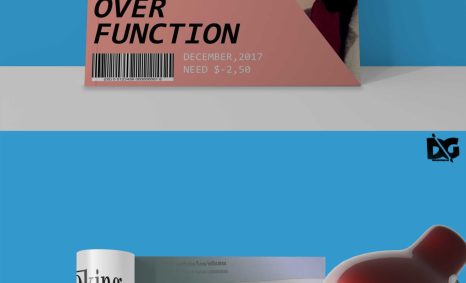
In a world filled with excess, the minimalist aesthetic has gained immense popularity, offering a refreshing contrast to the clutter that often surrounds us. Embracing minimalism doesn’t have to break the bank; in fact, achieving a minimalist design on a budget can be both rewarding and fulfilling. This article will guide you through various strategies, tips, and tricks to create stunning minimalist spaces without spending a fortune.
Achieving a minimalist design on a budget is entirely feasible with a few strategic choices. By prioritizing simplicity and functionality, you can create an elegant website that resonates with users without breaking the bank. For inspiration and guidance on design elements, consider exploring website mockup examples that showcase effective minimalist layouts.
Understanding Minimalism
Minimalism is more than just a design style; it’s a lifestyle choice that prioritizes simplicity, functionality, and the elimination of excess. By focusing on what truly matters, minimalism can lead to a more organized and peaceful living environment. Here are some key principles of minimalism:
- Simplicity: Stripping down to the essentials, both in form and function.
- Functionality: Every item should serve a purpose, reducing clutter and distractions.
- Quality over Quantity: Investing in fewer, higher-quality items rather than many cheaper alternatives.
Budget-Friendly Minimalist Design Techniques
1. Declutter and Simplify
The first step in any minimalist project is to declutter. Having fewer items makes it easier to focus on the essentials and allows your space to breathe.
- Go Room by Room: Tackle one area at a time to avoid feeling overwhelmed.
- Sort Through Items: Keep only what you love or need. Donate or sell items that no longer serve you.
- Limit Decorative Elements: Choose a few meaningful decor items instead of crowding surfaces with knick-knacks.
2. Choose a Neutral Color Palette
A neutral color scheme contributes significantly to a minimalist design. It creates a serene atmosphere and allows your space to look cohesive.
Consider the following colors for a minimalist palette:
| Color | Hex Code |
|---|---|
| White | #FFFFFF |
| Beige | #F5F5DC |
| Gray | #808080 |
| Black | #000000 |
| Soft Pastels | #F0E68C |
3. Invest in Multi-Functional Furniture
When working with a limited budget, investing in multipurpose furniture can be a game changer. Look for pieces that serve more than one function. Here are some ideas:
- Ottomans with storage capabilities.
- Sofa beds for guests.
- Expandable dining tables for small spaces.
DIY Projects to Enhance Minimalist Design
Engaging in DIY projects is a cost-effective way to achieve a minimalist look while adding a personal touch to your space.
1. Create Your Own Art
Instead of buying expensive artworks, consider creating your own. Here are some simple ideas:
- Abstract Paintings: Use leftover paint or inexpensive canvases to create unique artwork.
- Photography: Print your own photos in black and white for a classic, minimalist look.
2. Repurpose Existing Furniture
Instead of purchasing new furniture, repurpose what you already have. Here are some ways to refresh old pieces:
- Sand and refinish wooden tables for a new look.
- Reupholster chairs with simple, solid fabrics.
Adding Minimalist Decor
Minimalist decor enhances the overall aesthetic of your space without cluttering it. Focus on quality decor that speaks to your style.
1. Limit Accessories
When it comes to accessories, less is more. Consider these tips:
- Select a few statement pieces instead of a collection.
- Use natural elements like plants for a touch of life.
2. Embrace Natural Light
Natural light can make spaces feel larger and more inviting. To maximize natural light:
- Use sheer curtains to allow sunlight to filter through.
- Position mirrors to reflect light and create the illusion of space.
Smart Shopping Tips
When shopping for minimalist design elements, consider the following tips to stay within budget:
1. Thrift Stores and Flea Markets
These venues often have hidden gems at a fraction of the cost of retail stores.
2. Online Marketplaces
Websites like Craigslist and Facebook Marketplace can offer great deals on second-hand furniture and decor.
3. Seasonal Sales and Discounts
Keep an eye out for sales during holidays or clearance events to snag items at reduced prices.
Conclusion
Achieving a minimalist design on a budget is entirely possible with the right strategies and mindset. By decluttering, choosing neutral palettes, investing in multipurpose furniture, and engaging in DIY projects, you can create a serene and aesthetically pleasing environment without overspending. Embrace simplicity and quality, and let your space reflect a minimalist lifestyle that prioritizes what truly matters.
FAQ
What is minimalist design?
Minimalist design is a style that emphasizes simplicity, functionality, and the elimination of excess elements, focusing on what truly matters.
How can I achieve minimalist design on a budget?
To achieve minimalist design on a budget, focus on decluttering your space, selecting multifunctional furniture, using a neutral color palette, and incorporating DIY projects.
What are some key principles of minimalist design?
Key principles include simplicity, functionality, open space, and a limited color palette, ensuring each item serves a purpose and contributes to the overall aesthetic.
Can I use second-hand items for minimalist design?
Yes, second-hand items can be a great way to achieve minimalist design on a budget, as they often come at a lower cost and can add unique character to your space.
What colors work best for a minimalist design?
Neutral colors such as whites, grays, and beiges are ideal for minimalist design, creating a calm and uncluttered look.
How do I maintain a minimalist lifestyle?
Maintaining a minimalist lifestyle involves regularly decluttering, being intentional about purchases, and focusing on quality over quantity in both possessions and experiences.