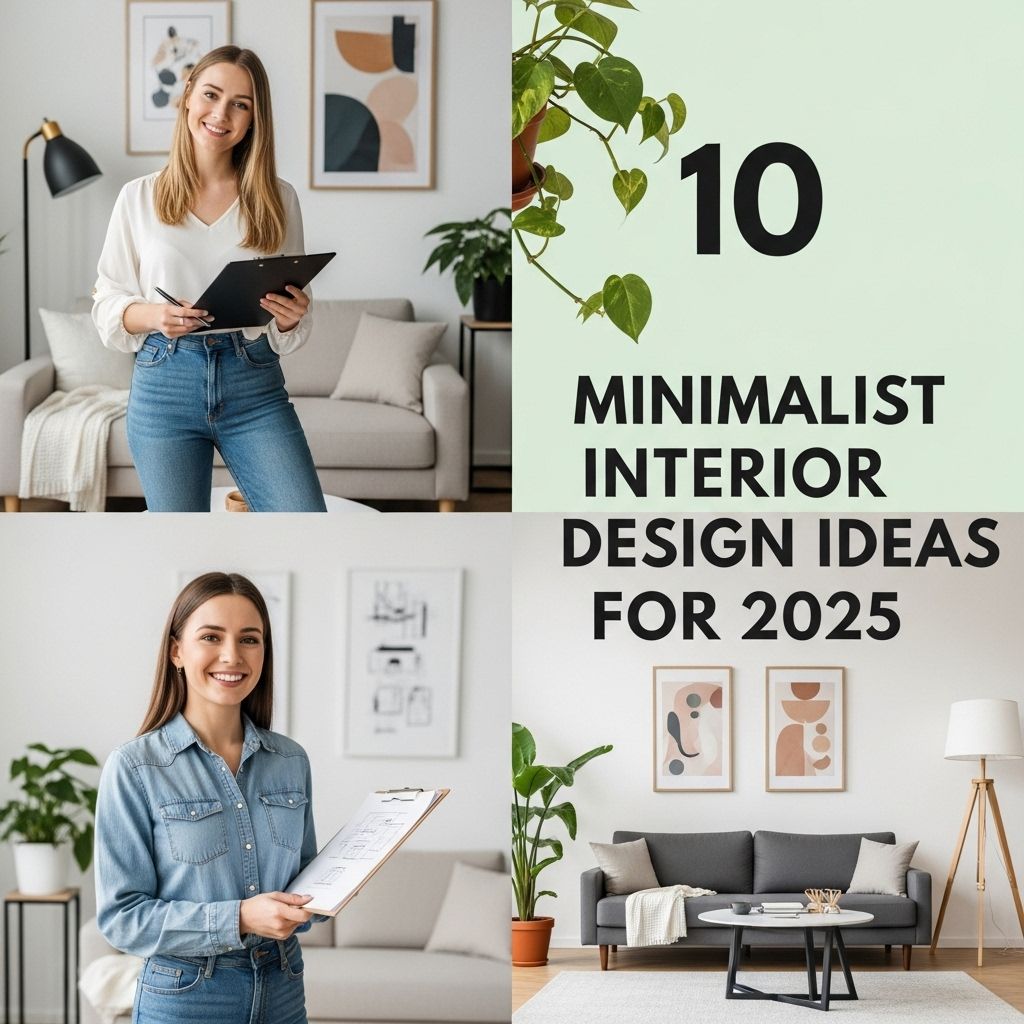
In a world overwhelmed by clutter and chaos, minimalism has emerged as a refreshing approach to design. It emphasizes simplicity, functionality, and a serene aesthetic, making it an ideal choice for those looking to transform their living or working spaces. This article delves into ten minimal design ideas that can breathe new life into your surroundings, fostering a sense of calm and clarity.
Minimalism can drastically change the way we experience our environments, making spaces feel larger and more serene. By incorporating a few intentional design ideas, you can effortlessly transform your home into a haven of simplicity and style. For inspiration, check out our mug mockups that showcase minimal design at its best.
Understanding Minimalism
Minimalism is not just a design style; it’s a lifestyle choice that promotes intentionality and mindfulness. It encourages individuals to eliminate the unnecessary, allowing them to focus on what truly matters. In design, this translates into clean lines, uncluttered spaces, and a restrained color palette.
Key Principles of Minimal Design
- Functionality: Every element serves a purpose.
- Quality over Quantity: Invest in fewer, high-quality pieces.
- Neutral Color Palette: Stick to whites, grays, and earth tones.
- Natural Light: Maximize the use of natural lighting.
- Open Spaces: Keep rooms airy and spacious.
1. Embrace Neutral Colors
The foundation of any minimal design is a neutral color palette. This creates a calm environment and allows for easy coordination between different elements in the space.
Implementation Tips
- Use whites, creams, grays, and beiges on walls.
- Incorporate natural materials like wood and stone for contrast.
- Add subtle accents through textiles like cushions or throws.
2. Choose Functional Furniture
Furniture pieces should not only be aesthetically pleasing but also highly functional. Multi-purpose furniture saves space and aids in maintaining a clutter-free environment.
Examples of Functional Furniture
| Furniture Type | Function |
|---|---|
| Convertible Sofa | Serves as both a couch and a bed. |
| Storage Ottoman | Provides seating and hidden storage. |
| Wall-Mounted Desk | Offers a workspace without taking up floor area. |
3. Declutter Your Space
Decluttering is essential in minimal design. It’s about eliminating items that do not serve a purpose or bring joy.
Decluttering Steps
- Start small; choose a single area.
- Sort items into categories: keep, donate, trash.
- Assess the need for each item you keep.
- Implement a ‘one-in, one-out’ rule for future purchases.
4. Use Open Shelving
Open shelving is a perfect way to display select items while keeping things organized. This can visually expand the space while allowing for personalization.
Benefits of Open Shelving
- Easy access to frequently used items.
- Encourages a curated display that showcases personality.
- Avoids the bulkiness of traditional cabinetry.
5. Incorporate Natural Elements
Bringing nature indoors can create a peaceful ambiance. Plants and natural materials add warmth and texture while aligning with minimalism’s ethos of simplicity.
Natural Elements to Consider
- Indoor Plants: Look for low-maintenance options like succulents or ferns.
- Wood Accents: Incorporate wooden furniture or decor.
- Natural Light: Use sheer curtains to allow sunlight in.
6. Create Defined Zones
Defining different areas within a space can help in managing functionality while maintaining an open feel. Utilizing rugs, lighting, or furniture can help create these zones.
Ideas for Defining Zones
- Use area rugs to delineate living and dining spaces.
- Employ lighting fixtures to highlight specific areas.
- Arrange furniture to create natural flow and boundaries.
7. Limit Decorative Items
While decor can enhance a space, too much can lead to visual clutter. Focus on a few statement pieces that resonate with you.
Choosing Decorative Items
- Select artworks that inspire.
- Utilize a few well-placed sculptures or vases.
- Incorporate personal photographs in a minimalistic frame.
8. Invest in Quality Lighting
Lighting plays a crucial role in minimal design. Quality lighting can transform the ambience of a room, making it feel more inviting and spacious.
Types of Lighting to Consider
| Type | Description |
|---|---|
| Task Lighting | Focused lighting for specific tasks such as reading or cooking. |
| Ambient Lighting | General lighting that illuminates the whole room. |
| Accent Lighting | Highlights specific features like artwork or architectural details. |
9. Use Mirrors Wisely
Mirrors can create the illusion of space and reflect light, enhancing the overall brightness of a room.
Placement Strategies
- Position mirrors across from windows to reflect natural light.
- Use large mirrors to maximize the perception of space.
- Incorporate mirrors as decorative elements rather than just functional.
10. Personalize with Intent
Minimalism does not mean devoid of personality. Personal touches are essential for making a space feel like home.
Ways to Personalize
- Incorporate a few meaningful artifacts.
- Utilize a unique color for an accent wall.
- Display books that resonate with your identity.
Conclusion
Transforming your space into a minimalistic haven requires thoughtful consideration and intentionality. By implementing these ten design ideas, you can cultivate an environment that reflects serenity, functionality, and a personal touch. As you embark on this minimalist journey, remember that the goal is to create a space that enhances your life and well-being while also providing joy and comfort.
FAQ
What are minimal design ideas?
Minimal design ideas focus on simplicity, functionality, and the use of a limited color palette to create a clean and uncluttered aesthetic in a space.
How can I incorporate minimal design into my home?
Incorporate minimal design into your home by decluttering, using multifunctional furniture, choosing a neutral color scheme, and adding natural light through large windows.
What colors are best for minimal design?
Neutral colors like whites, grays, and beiges are ideal for minimal design, as they create a serene environment and allow for easy accenting with decor.
Can minimal design work in small spaces?
Yes, minimal design works exceptionally well in small spaces, as it emphasizes functionality and can make the area feel larger and more open.
What furniture styles are suitable for minimal design?
Suitable furniture styles for minimal design include Scandinavian, mid-century modern, and contemporary pieces that are sleek, simple, and functional.
How do I choose decor for a minimal design space?
Choose decor that is simple and purposeful, such as a few statement pieces or artwork, and avoid overcrowding surfaces to maintain a clean look.