Introduction to Typography
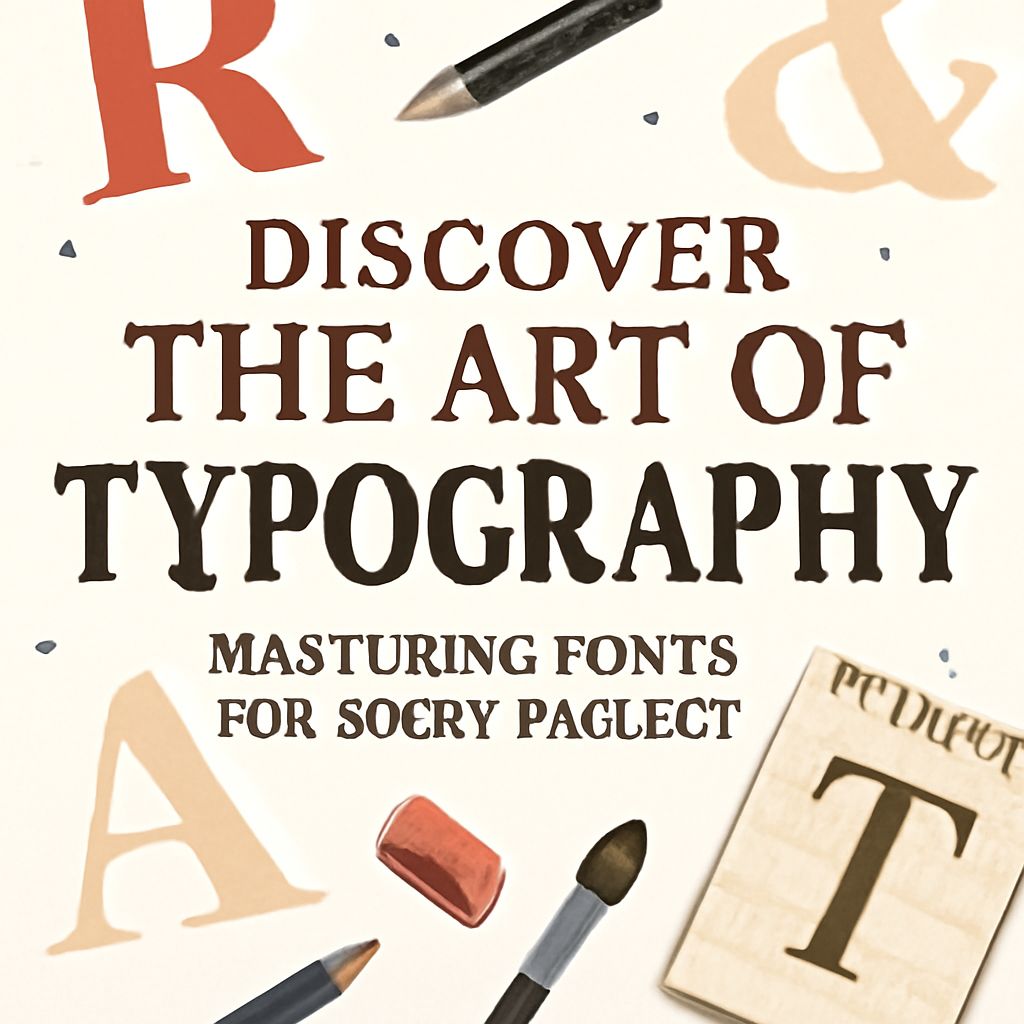
Typography is an essential element in design that involves the art and technique of arranging type to make written language legible, readable, and visually appealing. It plays a crucial role in setting the tone of a project, conveying the intended message, and impacting the overall aesthetic. Whether you’re crafting a logo, a website, or a printed advertisement, mastering typography is a skill that can elevate your work to new heights.
Explore the fascinating world of typography and unlock the secrets of mastering fonts for various projects. Whether you’re designing a catalog brochure or enhancing a digital platform, understanding typographic nuances can elevate your work significantly. Check out our brochure collection for inspiration and resources.
Understanding the fundamentals of typography begins with exploring its history, the classification of typefaces, and the principles that govern their use. This comprehensive guide will delve into these aspects, providing you with the tools necessary to make informed typographic choices for any project.
Historical Context of Typography
The roots of typography stretch back to the moveable type printing system invented by Johannes Gutenberg in the 15th century. This innovation revolutionized the dissemination of information and laid the foundation for modern typography. Over the centuries, typography has evolved alongside technological advancements, from mechanically-set type to digital typography that we know today.
In the early days, much emphasis was placed on replicating the handwritten manuscripts of monastic scribes. As time progressed, the development of new typefaces mirrored cultural and technological changes. The Industrial Revolution brought about mass production of printed material, which saw the rise of more practical and versatile typefaces. Fast forward to the 20th century, and the digital revolution transformed typography again, making it more accessible and versatile than ever before. Today, the proliferation of digital devices requires typography to adapt to various screen sizes and resolutions, making it an exciting field of constant innovation.
Typeface Classification
- Serif: Characterized by the small lines or strokes regularly attached to the end of a larger stroke in a letter or symbol within a font family. Serif fonts are often considered formal and traditional. Examples include Times New Roman and Garamond.
- Sans-serif: Easily recognizable by their absence of serifs, sans-serif fonts offer a cleaner and more modern appearance, making them popular for digital designs. Helvetica and Arial are common sans-serif fonts.
- Display: These are often utilized in headlines due to their distinct and decorative style. Display fonts should be used sparingly to maintain readability. Fonts like Lobster and Impact serve well in this category.
- Script: Resembling cursive handwriting, script fonts bring an element of elegance and personalization. They are best used for decorative purposes, such as invitations, due to their intricate designs. Fonts such as Brush Script and Pacifico are popular examples.
Understanding how to differentiate between these typefaces allows designers to choose appropriately depending on the context of their work. Each typeface offers a unique voice and character that can either complement or clash with the design’s intent.
Key Principles of Typography
- Legibility and Readability: These are paramount in typography. While legibility refers to how easy it is to distinguish individual letters, readability is about how easy it is to read larger blocks of text. Both elements contribute significantly to an effective design.
- Alignment and Hierarchy: Proper alignment and a clear hierarchy establish an organized flow of information, guiding the reader’s eye across the page. This ensures that the reader processes the information in the intended order of importance.
- Contrast: Utilizing contrast in size, weight, and color can help distinguish different sections of text, highlight important information, and create visual interest. Strategic contrast helps draw attention without causing visual discomfort.
- White Space: Also known as negative space, white space helps in creating breathing room around the text. It’s instrumental in enhancing readability and ensuring that your design does not feel too crowded.
- Consistency: Maintaining typographic consistency throughout a project creates a cohesive look and reinforces a strong brand identity. Use consistent type sizes, line spacings, and styles to establish uniformity.
Mastery of these principles ensures that your typography not only looks good but also serves its functional purpose effectively. The art of typography is as much about aesthetic pleasure as it is about usability and clarity.
Incorporating Typography in Different Media
Typography is not just limited to paper and ink. With the advent of digital design, typography has expanded into web design, mobile applications, and user interfaces. Each medium presents unique challenges and opportunities that require thoughtful typographic choices.
In web design, responsive typography ensures that text looks good on devices of all sizes. Designers often employ percentages for font sizes, allowing text to scale according to the screen’s dimensions. Moreover, web fonts have become increasingly popular, providing designers with a vast array of choices beyond standard system fonts.
Mobile typography emphasizes simplicity and clarity. Given the limited screen space, designers focus on readability and interaction. Tappable areas and selectable text require careful consideration of font size and spacing to improve user experience.
Typography in Branding and Marketing
Typography in branding and marketing can significantly affect how messages are perceived by audiences. The right typographical choice can convey a brand’s personality, establish its tone, and help it stand out in a crowded marketplace. For instance, a luxury brand might opt for elegant serif fonts that speak to high quality and tradition, while a tech startup might choose bold, modern sans-serif fonts to convey innovation and cutting-edge technology.
In advertising, typography functions as both a visual and communicative element. Catchy headlines using bold display fonts can grab attention quickly, while the supporting text needs to maintain readability and relevance. The typography must also appeal to the target demographic and align with the campaign’s overall aesthetics and message.
Future of Typography
As we look to the future, typography is poised to continue its evolution, driven by technological advancements and changes in communication habits. With the integration of virtual and augmented reality, typography will expand into new dimensions, offering interactive and immersive experiences. This will challenge designers to think about text in space, motion, and interaction rather than on static pages alone.
Machine learning and artificial intelligence are also beginning to play a role in typography, with tools that can suggest fonts and styles based on content and context. This could streamline the design process and help designers experiment with new typographic styles effortlessly.
FAQ
What is the difference between a font and a typeface?
A typeface is a set of one or more fonts each composed of glyphs that share common design features. A font is the specific size, weight, and style of a typeface.
How do I choose the right font for my project?
Consider the project’s tone, audience, and medium. Choose fonts that enhance the message and maintain readability across various platforms. Test different fonts to see which ones resonate best with the design and intent of your project.
What are variable fonts and why are they important?
Variable fonts allow a single font file to include multiple variations of weight, width, and other attributes, offering greater flexibility and efficiency. These fonts minimize the need for multiple font files, speeding up loading times and improving design versatility.
How many fonts should be used in a single project?
Limiting a project to 2-3 fonts maintains a cohesive look and avoids visual clutter. Different styles from a single typeface can offer diversity without overwhelming the design. Consider using a bold version for headings and a regular one for body text, for instance.