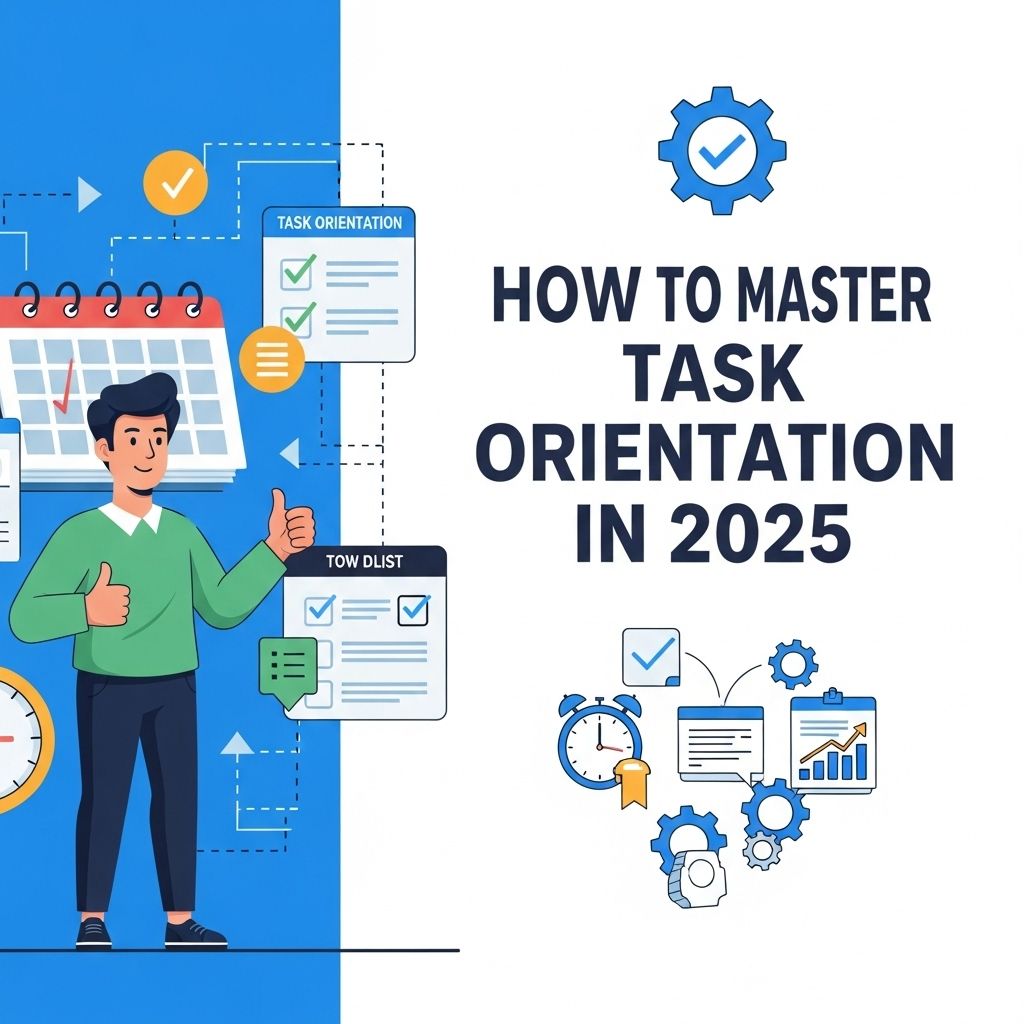
In an ever-evolving technological landscape, mastering task orientation is becoming increasingly essential for professionals aiming to enhance their productivity and efficiency. As we step into 2025, the integration of advanced tools and methodologies into our daily workflows can significantly streamline our task management processes. This article delves into the best practices, tools, and strategies to master task orientation effectively.
Mastering task orientation is crucial for achieving success in 2025, as it helps streamline focus and boost productivity. By developing clear prioritization strategies and leveraging useful resources, individuals can navigate their goals more effectively. For those looking to enhance their creative presentations, check out our mug mockups to visualize their ideas.
Understanding Task Orientation
Task orientation refers to the ability to focus on specific tasks and manage them effectively within a set timeframe. It encompasses various skills, including goal-setting, prioritization, time management, and the use of appropriate tools to track progress. In 2025, with the proliferation of AI and automation, honing this skill is more critical than ever.
The Importance of Task Orientation
Having a robust task orientation enables professionals to:
- Increase productivity by reducing distractions.
- Enhance focus on high-impact tasks.
- Improve time management skills.
- Achieve better work-life balance by establishing clear boundaries.
Setting Clear Goals
The first step toward mastering task orientation is setting clear, actionable goals. Here’s how you can do that:
- Define Your Objectives: Understand what you want to achieve in both short and long terms.
- Make Goals SMART: Ensure your goals are Specific, Measurable, Achievable, Relevant, and Time-bound.
- Break Down Tasks: Divide larger projects into smaller, manageable tasks to avoid feeling overwhelmed.
Tools for Goal Setting
Several tools can assist you in setting and tracking your goals:
| Tool | Description |
|---|---|
| Notion | A customizable workspace that allows you to set goals and track tasks. |
| Trello | A board-based tool for organizing tasks visually and in a collaborative manner. |
| Todoist | A task manager that helps in tracking and prioritizing tasks efficiently. |
Prioritizing Tasks Effectively
Once your goals are set, it’s vital to prioritize tasks to focus on what matters most. Here are some methods to consider:
The Eisenhower Matrix
This matrix helps categorize tasks based on urgency and importance:
- Quadrant I: Urgent and Important (Do these tasks first)
- Quadrant II: Important but Not Urgent (Schedule time to do these)
- Quadrant III: Urgent but Not Important (Delegate these tasks)
- Quadrant IV: Not Urgent and Not Important (Eliminate these)
ABC Prioritization Method
This simple system involves labeling tasks with A, B, or C:
- A: High priority tasks that must be done today.
- B: Important tasks that can be done later.
- C: Low priority tasks that can be postponed indefinitely.
Embracing Technology for Task Management
In 2025, leveraging technology is crucial to streamline task orientation. Here are key technologies to consider:
Project Management Software
Utilizing software tools that facilitate project management can significantly enhance task orientation:
- Asana: Great for tracking projects and tasks in teams.
- ClickUp: An all-in-one tool that includes task management, goal tracking, and reporting.
- Microsoft Teams: Useful for collaboration and integration with Outlook for task management.
Time Management Apps
Apps like Toggl and RescueTime provide insights into how you spend your time, enabling you to make improvements:
- Toggl: Time-tracking tool that helps identify productive hours.
- RescueTime: Automatically tracks your time and gives reports on productivity.
Implementing Effective Time Management Techniques
Mastering task orientation also involves effective time management practices. Here are some techniques:
Pomodoro Technique
This technique involves working in blocks of 25 minutes, followed by a 5-minute break:
- Choose a task to work on.
- Set a timer for 25 minutes.
- Work on the task until the timer rings.
- Take a 5-minute break, then repeat.
Time Blocking
Allocating specific blocks of time for different tasks can enhance focus:
- Dedicate blocks for administrative work, meetings, and focus sessions.
- Ensure to schedule breaks to avoid burnout.
Maintaining Flexibility and Adaptability
While it’s vital to stick to your tasks and timelines, adaptability is equally important. The ability to adjust your plans based on new information or changing circumstances will enhance your task orientation:
- Regularly review your tasks and progress.
- Be open to feedback and new tools that can streamline your processes.
Conclusion
Mastering task orientation requires a blend of effective goal-setting, prioritization, leveraging technology, and maintaining flexibility. As we navigate through 2025, incorporating these strategies into your routine will not only enhance your productivity but also ensure a balanced approach to work and life. By embracing these practices, you can position yourself ahead in your professional endeavors, making the most of every task and opportunity.
FAQ
What is task orientation?
Task orientation refers to a focus on completing specific tasks efficiently and effectively while maintaining high standards of quality.
Why is mastering task orientation important in 2025?
In 2025, mastering task orientation is crucial due to the increasing demands of fast-paced work environments and the need for enhanced productivity and goal achievement.
What are some strategies to improve task orientation?
Strategies to improve task orientation include setting clear goals, breaking tasks into manageable steps, prioritizing tasks, and utilizing productivity tools.
How can technology aid in mastering task orientation?
Technology can aid in mastering task orientation through the use of task management apps, automation tools, and collaboration software that streamline workflows and enhance organization.
What role does motivation play in task orientation?
Motivation plays a key role in task orientation as it drives individuals to stay focused, overcome challenges, and remain committed to completing tasks effectively.
How can I measure my task orientation progress?
You can measure your task orientation progress by tracking completed tasks, assessing time management efficiency, and evaluating the quality of outcomes against set goals.