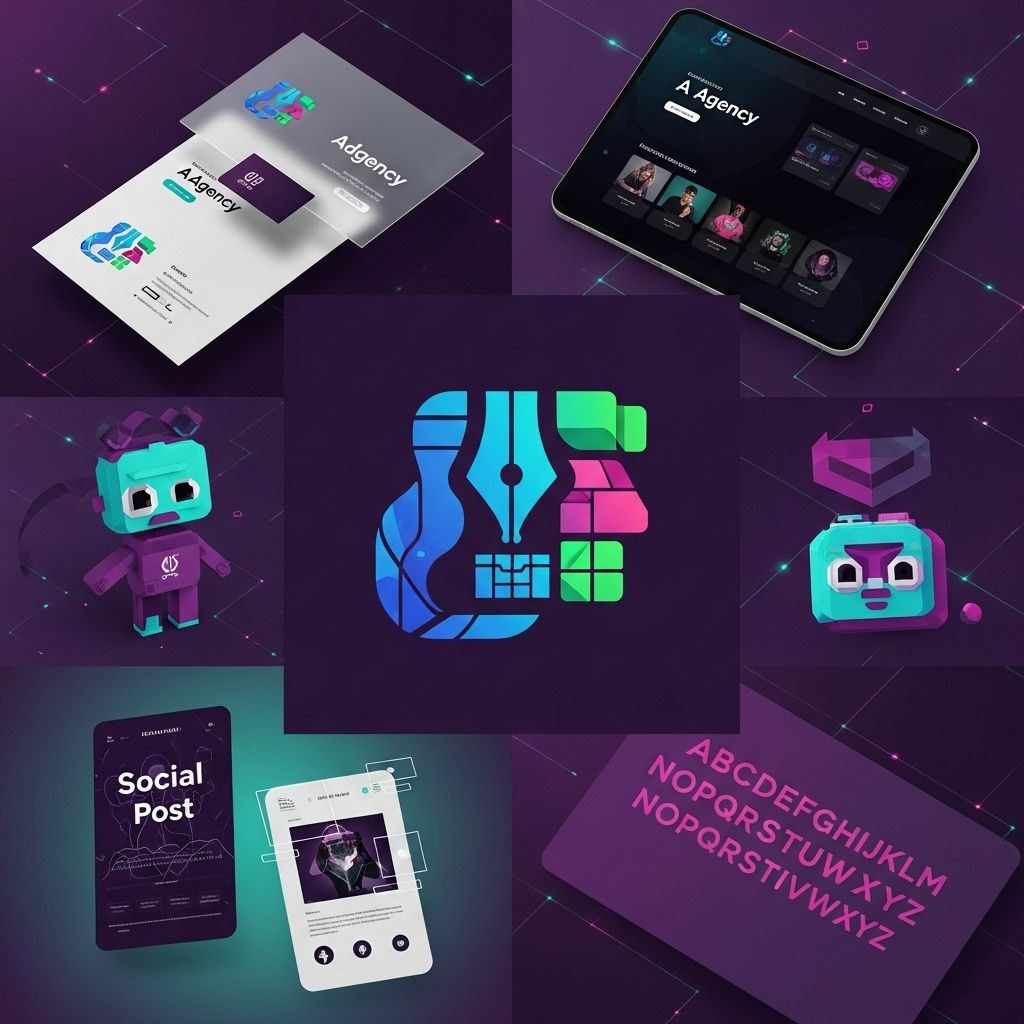
Crafting a strong brand identity begins with effective logo design, as it serves as the cornerstone of your visual representation. A well-designed logo not only captures the essence of your brand but also communicates your values and connects you with your audience. To enhance your marketing efforts, consider utilizing resources like rack card printing tips to complement your brand visuals.
The Essence of Brand Identity
Brand identity is the unique representation of a company’s values, mission, and offerings. In today’s competitive landscape, it’s more important than ever for businesses to project a cohesive message that communicates who they are and how they stand out from the competition. The logo is a critical part of this identity, serving as the visual cornerstone of a brand’s image and playing a pivotal role in customers’ perception and marketing strategy.
Creating a resilient brand identity involves several strategic steps. Begin with understanding your brand’s core values and message. This understanding acts as the foundation for all branding efforts, ensuring consistency in voice and visuals that align with these tenets. Through careful curation, each element should cohesively narrate your brand’s story, transforming your business identity into an integral factor of customer perception and loyalty.
- Understand your target audience and their needs. Knowing who you are speaking to allows for more personalized and effective brand communication.
- Develop a unique selling proposition (USP) that sets you apart. This differentiation is essential in building a memorable presence and establishing a competitive edge.
- Consistently apply branding elements across all materials. Consistency helps strengthen brand recall and establishes a seamless identity across different platforms.
The Power of Logo Design
A logo serves as the face of the brand. It encapsulates the essence of your company in a single, memorable image that customers associate with your brand at first glance. Effective logo design acts as a powerful marketing tool that can both attract and maintain customer interest while fostering trust and loyalty.
Logos should be simple, yet distinctive, and appropriate for the business they represent. They need to function effectively at various sizes and across different media, ensuring versatility in their use. Whether it’s the playful font of a children’s toy company or the sleek lines of a high-tech enterprise, your logo should echo your brand’s personality and position.
- Keep design elements simple for wide recognition and recall. A cluttered or overly complex logo can confuse and alienate potential customers.
- Choose colors that evoke the right emotions and facilitate stronger brand recall. Colors play a significant role in human psychology and can profoundly impact consumer responses.
- Ensure scalability to maintain legibility and impact on all platforms. An effective logo should translate well from a large billboard to a small business card, preserving its essence.
Integrating Logo Design with Brand Strategy
Creating an impactful logo isn’t only about aesthetics; it’s a strategic business decision that intertwines seamlessly with your brand’s overall strategy. An effective logo supports the overarching message and aspirations of your business, acting as a visual anthem of your brand’s ethos and goals.
The integration process begins with collaboration with stakeholders, ensuring that the design reflects the goals and values of your brand. The iteration process plays a critical role here—every adjustment should push the design closer to the brand concept, making it a true representation of your business values. From workshops to feedback loops, involving your team in the design process can lead to a more refined and aligned logo.
A well-integrated logo fosters familiarity, helping your brand to advance beyond mere recognition to becoming a beloved icon in the consumer’s mind. It’s not merely about the logo’s immediate visual impact but also about its engagement and emotional connection over time.
Steps to Develop a Winning Logo
- Research and Understanding: This stage involves understanding the industry, competitors, and your own brand narrative. The insights gained here direct the creative journey.
- Conceptualization: Begin sketching out rough ideas. Brainstorm with your team to explore diverse angles before zeroing in on promising concepts.
- Design: Turn initial ideas into design renderings. Focus on creating a versatile logo that is adaptable across various uses and media channels.
- Feedback and Refinement: Gather input from stakeholders and potential customers to hone the design. Address any concerns and refine the logo to perfection.
- Finalize and Implement: Once satisfied, finalize the design and begin integrating it across all brand materials consistently.
Real-life Examples: Logos that Made a Difference
Consider the golden arches of McDonald’s or the iconic swoosh of Nike. These logos are more than mere symbols; they are emblems of the companies’ identities. McDonald’s simple yet effective use of the letter “M” has made it universally recognizable, whereas Nike’s swoosh signifies speed and movement, aligning perfectly with its brand philosophy that champions athletic excellence.
Similarly, brands like Apple and Coca-Cola utilize visually appealing and contextually relevant logos that have evolved over the years yet retained core elements that preserve recognition and loyalty.
FAQ
How does a logo influence brand perception?
An impactful logo influences brand perception by encapsulating the brand’s ethos and communicating its core essence in an instant. It builds immediate recognition and trust, significantly influencing customer choice. A well-designed logo can shape the emotions and expectations of your audience, encouraging them to connect with your brand on a deeper level.
What makes a logo design effective?
Effective logo designs are simple, relevant, memorable, and versatile. They convey the intended message, work across various domains, and align with the target audience’s expectations. Essentially, an effective logo holds the power to engage, evoke emotions, and anchor itself into consumer memory, serving as a key driver for brand identity.
How often should a brand update its logo?
A brand should consider updating its logo when it undergoes a significant shift in strategy, target audience, or industry trend. Nonetheless, maintaining some familiarity is crucial to retain established recognition. Updates should be gradual and intentional, ensuring they add value to the brand experience rather than detract from it. A well-timed update can rejuvenate a brand, keeping it competitive and relevant.
How can small businesses create an effective logo on a budget?
Small businesses can leverage digital tools and resources to create effective logos on a budget. Hiring freelance designers or using platforms like Canva or Fiverr can provide affordable design solutions. Prioritizing clarity and simplicity ensures the design remains impactful without requiring extensive resources.
In conclusion, a logo is more than a visual mark—it’s an emblem of your brand’s identity and promise to your customers. By investing in quality logo design and integrating it with a robust brand strategy, businesses can unlock powerful potential for growth and recognition in their respective markets.