PSD Mockup
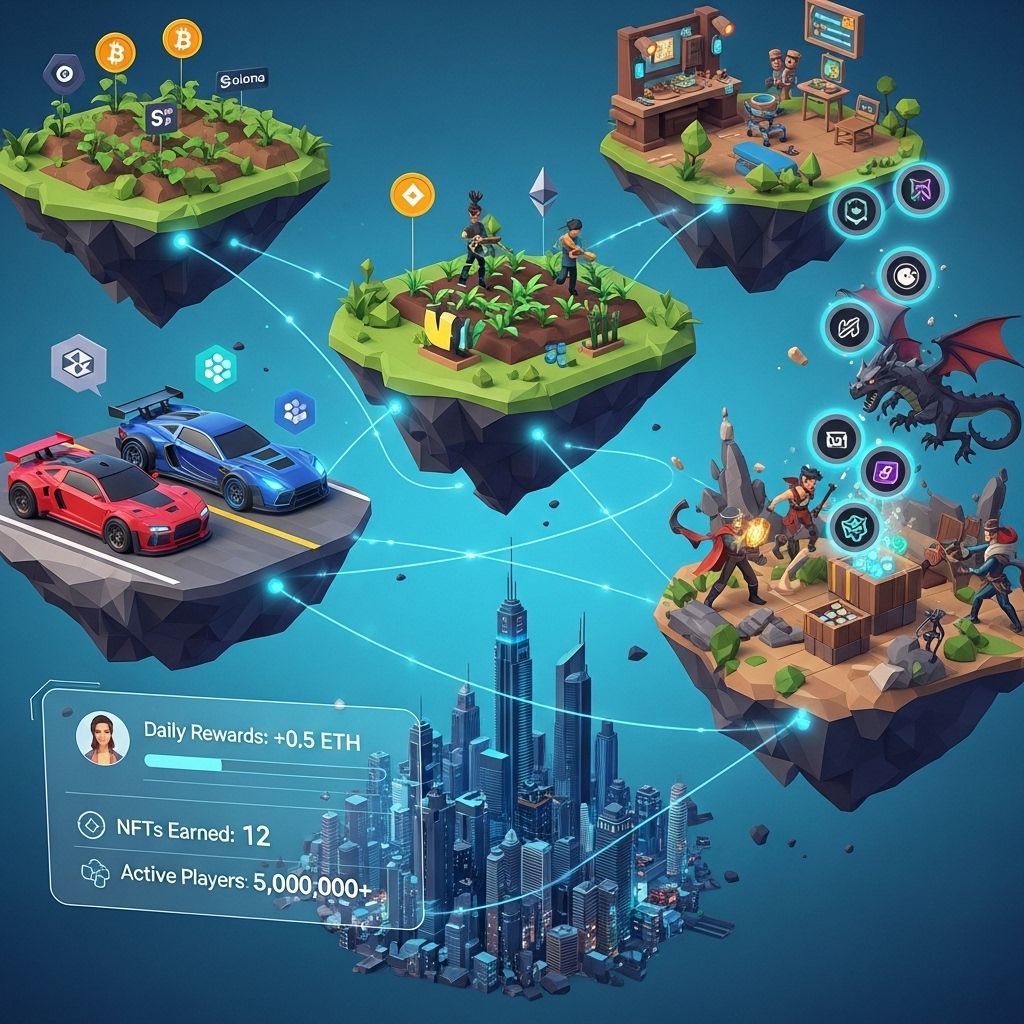
The gaming industry has seen a seismic shift with the introduction of blockchain technology, creating a new paradigm that intertwines gaming with cryptocurrency. Play-to-earn (P2E) games are at the forefront of this evolution, allowing players to earn real-world value through in-game achievements. As the P2E ecosystem continues to expand, innovative ideas are emerging that could redefine how we engage with games and generate profits. In this article, we will explore several groundbreaking concepts that leverage blockchain technology and cryptocurrency within the gaming realm.
Understanding Play-to-Earn Models
At its core, the P2E model allows players to earn cryptocurrency or NFTs (non-fungible tokens) by engaging in gameplay. This model contrasts sharply with traditional gaming, where players invest time and money without any financial return. Here are some key components of the P2E ecosystem:
- Tokenomics: Each game has its unique economic system that dictates how players earn and spend tokens.
- Blockchain Integration: Games utilize blockchain to create transparent and tamper-proof ledgers, ensuring fair transactions.
- NFTs: Players can own unique in-game items, characters, or land as NFTs, which can be traded or sold.
Innovative Play-to-Earn Concepts
1. Virtual Real Estate Investment
One of the most exciting facets of P2E is the concept of virtual real estate. Players can buy, sell, and develop virtual land within a game world. This mirrors the real estate market, allowing savvy investors to profit from appreciation and development.
How It Works:
Players can:
- Purchase virtual land using cryptocurrency.
- Develop their land by building structures or creating experiences.
- Lease or sell their properties to other players for a profit.
2. Skill-Based Competitions
Introducing skill-based competitions can significantly enhance engagement. Players can compete in tournaments or challenges for cryptocurrency rewards. This model not only attracts skilled players but also promotes a healthy competitive environment.
Implementation Steps:
To set up skill-based competitions:
- Develop a ranking system to track player performance.
- Establish clear rules and prize pools for competitions.
- Utilize smart contracts for automatic reward distribution.
Leveraging DeFi in Gaming
Decentralized Finance (DeFi) can be an integral part of the P2E model. By incorporating DeFi elements, games can offer players more financial opportunities, such as lending, staking, and yield farming.
DeFi Features in P2E Games:
- Lending Protocols: Players can lend their in-game assets to others and earn interest on their holdings.
- Staking Mechanisms: Players can stake their tokens to earn rewards, similar to traditional DeFi applications.
- Yield Farming: By participating in various liquidity pools, players can maximize their earnings.
Creating Unique NFT Ecosystems
NFTs are revolutionizing the notion of ownership in gaming. Creating unique ecosystems that revolve around NFTs can lead to a thriving in-game economy.
Strategies for NFT Integration:
Consider the following approaches to enhance your game with NFTs:
- Dynamic NFTs: Develop NFTs that can evolve or change based on player actions or in-game events.
- Cross-Game Interoperability: Allow players to use their NFTs across different games, increasing their utility and value.
- In-game Auctions: Facilitate auctions for rare NFTs, creating a marketplace for players to buy and sell.
Building Community and Governance
Incorporating community-driven governance can enhance player engagement and loyalty. Players can have a say in game development, updates, and economic changes through governance tokens.
Benefits of Community Governance:
- Increased Player Loyalty: Players feel more invested in the game when they have a voice.
- Better Game Development: Community feedback can lead to improvements and innovations.
- Decentralization: This approach aligns with the ethos of blockchain technology.
Challenges and Considerations in P2E Gaming
While the potential for profit in P2E gaming is vast, several challenges need to be addressed:
Key Challenges:
- Market Volatility: Cryptocurrency prices can fluctuate wildly, impacting the value of in-game assets.
- Regulatory Concerns: Governments are still figuring out how to regulate cryptocurrency and gaming.
- Player Retention: Keeping players engaged in the long run can be challenging, especially if rewards diminish.
Conclusion
The play-to-earn model is reshaping the gaming landscape, offering exciting opportunities for players to earn while they enjoy their favorite pastimes. By harnessing innovative ideas like virtual real estate investment, skill-based competitions, and DeFi integration, developers can create engaging experiences that capture the imagination of a tech-savvy audience. As we move forward, the potential for growth and innovation in the P2E space is limitless, making it an exciting time for gamers and investors alike.
FAQ
What are Play-to-Earn games?
Play-to-Earn games are blockchain-based games that allow players to earn real cryptocurrency or digital assets through gameplay.
How can I start earning crypto with Play-to-Earn games?
To start earning crypto, you need to select a Play-to-Earn game, create a wallet to store your digital assets, and follow the game’s instructions to begin playing and earning.
What are some innovative Play-to-Earn game ideas?
Innovative ideas include combining gaming with real-world tasks, developing educational games that reward learning, and creating virtual real estate platforms where players can buy, sell, and develop land.
Are Play-to-Earn games safe for investment?
While many Play-to-Earn games have potential, it’s essential to conduct thorough research on the game’s developers and community before investing.
Can Play-to-Earn games generate passive income?
Yes, some Play-to-Earn games offer opportunities for passive income through staking, renting out in-game assets, or participating in decentralized finance (DeFi) activities.
What are the risks associated with Play-to-Earn gaming?
Risks include market volatility, the potential for scams, and the possibility that a game could lose popularity, affecting the value of earned assets.