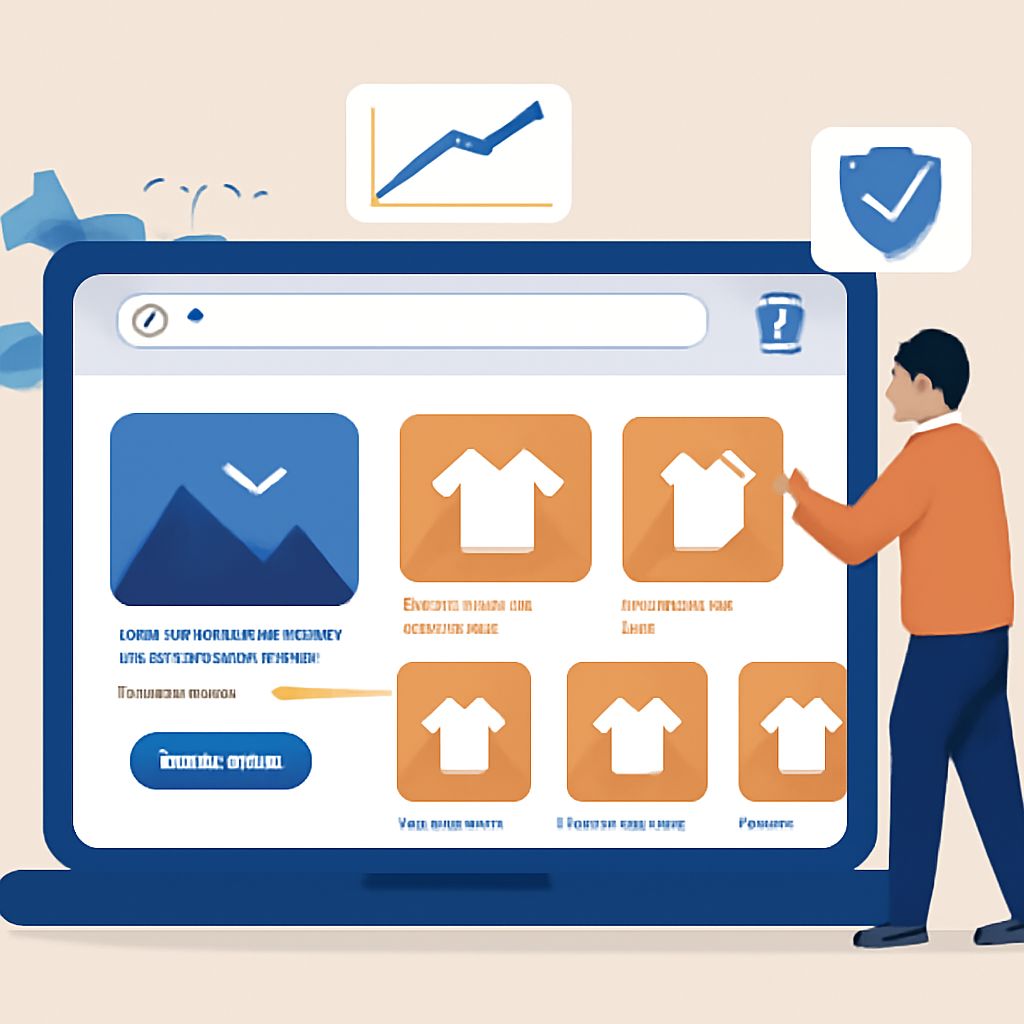
Introduction
The landscape of eCommerce is evolving rapidly, and to stay ahead of the competition, it’s crucial for businesses to embrace innovative web design strategies. In 2025, the importance of a high-converting eCommerce website cannot be overstated. A well-designed website not only attracts visitors but also turns them into loyal customers. This article will explore effective design principles and trends that can enhance user experience and boost conversion rates.
Creating high-converting eCommerce web design requires a keen understanding of user behavior and effective user experience principles. By focusing on elements that enhance navigation and engagement, businesses can significantly boost conversions. For insights on improving user experience on websites, explore this resource: improving user experience on websites.
Understanding the User Experience
User experience (UX) is at the heart of any successful eCommerce site. It encompasses everything from the site’s usability to the emotional response it elicits. To create a high-converting design, you must first understand your target audience and what they value.
Research Your Audience
Conducting thorough research on your target audience helps in tailoring your website to meet their needs. Consider the following:
- Demographics: Age, gender, income levels, and interests.
- Browsing Behavior: Preferred devices, times of engagement, and common purchase patterns.
- Pain Points: Identify problems your audience faces that your products can solve.
Crafting a Seamless Journey
A seamless customer journey is essential for high conversion rates. Analyze the steps a user takes from landing on your site to completing a purchase. Ensure that this journey is as smooth as possible.
Key Design Elements for Conversion
There are several key design elements that can significantly impact conversion rates:
1. Clean and Intuitive Layout
Your website’s layout should be clean and intuitive. Use white space effectively to avoid clutter and make navigation straightforward.
2. Responsive Design
With an increasing number of users shopping on mobile devices, having a responsive design is paramount. Your site must adapt to various screen sizes without compromising functionality.
3. High-Quality Images
Visuals play a crucial role in online shopping. Invest in high-quality images that showcase your products from different angles. Consider using 360-degree views and videos for a more engaging experience.
4. Effective Call-to-Action (CTA)
Your CTAs should be clear, concise, and compelling. Use action-oriented text and ensure that they stand out on the page. Examples include:
- “Buy Now”
- “Add to Cart”
- “Get Yours Today”
5. Trust Signals
Building trust with potential customers is crucial. Incorporate trust signals such as:
- Customer Reviews: Showcase positive reviews and testimonials prominently.
- Security Badges: Display security certifications to reassure users that their information is safe.
- Return Policy: Clearly outline your return policy to reduce purchase hesitations.
Emerging Trends in Ecommerce Web Design for 2025
To remain competitive, it’s essential to stay abreast of the latest trends in eCommerce web design. Here are some trends to consider for 2025:
1. AI-Driven Personalization
Artificial Intelligence will continue to play a significant role in eCommerce. Utilize AI to analyze customer data and provide personalized shopping experiences. This can include personalized product recommendations based on browsing history and purchase behavior.
2. Augmented Reality (AR)
AR technology offers customers the ability to visualize products in their environment before purchasing. Implementing AR features can significantly enhance user engagement and satisfaction.
3. Minimalist Design
Less is more when it comes to web design. A minimalist approach focuses on essential elements, allowing users to navigate easily without distractions.
4. Voice Commerce
As voice-activated devices become more prevalent, optimizing your website for voice search will be essential. Consider incorporating voice-activated navigation and search features.
Optimizing Checkout Process
A streamlined checkout process can drastically increase conversion rates. Here are some tips for optimizing checkout:
1. Simplify the Process
Reduce the number of steps required to complete a purchase. Aim for a one-page checkout if possible, minimizing the information a customer has to input.
2. Offer Guest Checkout
Allow users to purchase without creating an account. Many customers abandon carts when faced with mandatory account creation.
3. Multiple Payment Options
Provide various payment options to cater to different preferences, including credit/debit cards, digital wallets, and buy-now-pay-later services.
4. Progress Indicators
Use progress indicators to inform customers of their position in the checkout process, reducing anxiety and helping them understand how many steps remain.
Analyzing and Improving Performance
Creating a high-converting eCommerce website doesn’t end at launch; ongoing analysis and improvement are crucial. Utilize analytics tools to track user behavior and identify areas for enhancement.
1. A/B Testing
Conduct A/B testing on various design elements, such as CTA buttons, layouts, and product images, to determine what resonates best with your audience.
2. Heatmaps
Use heatmaps to visualize where users are clicking and how they navigate through your site. This data can help you identify potential roadblocks in the user journey.
3. Customer Feedback
Encourage customer feedback to gain insights directly from users. Implement surveys and feedback forms post-purchase to gather valuable information.
Conclusion
Designing a high-converting eCommerce website in 2025 requires a keen understanding of user experience, current trends, and ongoing optimization. By focusing on clean design, personalized experiences, and robust analytical practices, you can create a platform that not only attracts visitors but also converts them into loyal customers, ensuring sustained success in the competitive eCommerce landscape. Start implementing these strategies today to stay ahead of the curve.
FAQ
What are the key elements of a high-converting ecommerce web design in 2025?
In 2025, key elements include a user-friendly interface, mobile optimization, fast loading times, high-quality product images, and clear calls to action.
How important is mobile optimization for ecommerce websites in 2025?
Mobile optimization is crucial in 2025 as a significant portion of online shopping is done via mobile devices, affecting user experience and conversion rates.
What role does website speed play in ecommerce conversion rates?
Website speed is vital; faster-loading sites improve user experience and lower bounce rates, leading to higher conversion rates.
How can I use high-quality product images to enhance my ecommerce site?
High-quality product images help build trust and showcase products effectively, leading to improved customer engagement and higher sales.
What are effective calls to action for ecommerce websites?
Effective calls to action include phrases like ‘Shop Now’, ‘Add to Cart’, and ‘Get 20% Off Today’, which create urgency and encourage user interaction.
How does customer feedback impact ecommerce web design?
Customer feedback is essential; it provides insights into user preferences and pain points, allowing for design improvements that enhance the shopping experience.