Unlocking the Future: Upcoming Graphic Design Trends to Watch in 2026
As we progress further into the 21st century, the world of graphic design continues to evolve at a rapid pace. With advancements in technology, shifts in consumer preferences, and an ever-increasing focus on sustainability, the trends that shape graphic design are constantly changing. As we look ahead to 2026, several exciting trends are emerging that promise to redefine the landscape of graphic design. In this article, we will explore these trends, examining their potential impact and providing insights on how designers can adapt to stay ahead of the curve.
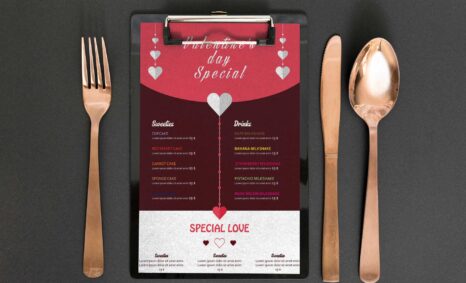
As we look ahead to 2026, the world of graphic design is poised for exciting transformations, driven by advancements in technology and evolving consumer preferences. Designers are increasingly embracing bold color palettes, immersive 3D elements, and unique typography, creating visually striking compositions that resonate more profoundly with audiences. To stay ahead of the curve, exploring resources like creative mockup templates can provide valuable insights into effective presentation techniques.
1. The Rise of Motion Design
Motion design has been gaining traction over the past few years, and it is set to explode in 2026. With the increasing popularity of video content across social media platforms, graphics that incorporate movement will capture attention more effectively than static images.
Benefits of Motion Design:
- Enhanced Engagement: Dynamic visuals are more likely to engage viewers and keep them interested.
- Storytelling: Motion design allows for storytelling through animation, making complex ideas easier to digest.
- Versatility: Motion graphics can be applied across various mediums, from websites to social media and advertising.
Statistics:
| Statistic | Source |
|---|---|
| Video content will account for 82% of all internet traffic by 2026. | Cisco |
| People retain 95% of a message when they watch it in a video compared to just 10% when reading it in text. | WireBuzz |
2. Emphasis on Inclusivity and Diversity
As society becomes more aware of the importance of representation, graphic design in 2026 will reflect a greater emphasis on inclusivity and diversity. Designers will be challenged to create visuals that resonate with a broader audience, ensuring that everyone feels represented.
Key Considerations:
- Visual Representation: Incorporate diverse characters and scenarios in designs.
- Accessible Design: Ensure that designs are usable and accessible to individuals with disabilities.
- Cultural Sensitivity: Be mindful of different cultural perspectives and avoid stereotypes.
3. Sustainability in Design
With the growing concern for the environment and climate change, sustainability will be a dominant theme in graphic design by 2026. Designers will increasingly focus on creating eco-friendly materials, using sustainable practices, and promoting green initiatives through their work.
Strategies for Sustainable Design:
- Use of Recyclable Materials: Opt for packaging and print materials that are recyclable or biodegradable.
- Minimalist Aesthetic: Embrace simplicity to reduce waste and the amount of materials used.
- Digital Solutions: Shift towards digital platforms to minimize the carbon footprint associated with traditional print.
4. 3D Design and Augmented Reality (AR)
As technology advances, the use of 3D design and AR in graphic design will become more mainstream. These tools will allow designers to create immersive experiences that engage users in novel ways.
Applications of 3D and AR:
- Product Visualization: Brands can showcase products in 3D, allowing customers to interact with items before purchasing.
- Interactive Marketing: AR-enabled experiences can make marketing campaigns more engaging and memorable.
- Virtual Events: Create virtual environments for events, enhancing the user experience.
5. Nostalgia and Retro Aesthetic
Nostalgia will play a significant role in graphic design trends in 2026, with designers drawing inspiration from past decades. This trend taps into the collective memory and emotional connections people have with certain styles and eras.
Popular Nostalgic Elements:
- Vintage Typography: Utilize fonts and styles reminiscent of the ’70s, ’80s, and ’90s.
- Color Palettes: Embrace warm, muted colors that evoke a sense of nostalgia.
- Design Motifs: Incorporate retro patterns and illustrations into modern designs.
6. Bold Typography
In a world filled with visual noise, bold typography will stand out as a key trend in graphic design. Strong, impactful typefaces will be used to convey messages clearly and attractively.
Typography Trends:
- Custom Fonts: Designers will create unique typefaces that reflect brand identity.
- Variable Fonts: These flexible fonts allow for a range of styles and weights within a single file, offering designers more versatility.
- Expressive Text: Experimenting with typography to convey emotion and character will become increasingly popular.
7. Data Visualization
As the amount of data generated continues to grow, the ability to present information in a visually appealing and digestible manner will be crucial. Graphic designers will increasingly focus on data visualization, making complex data easy to understand.
Effective Data Visualization Techniques:
- Infographics: Combine images and text to convey complex information succinctly.
- Interactive Charts: Allow users to interact with data and explore different dimensions.
- Storytelling with Data: Use data to tell a compelling story, driving home the key messages.
8. Artificial Intelligence in Design
Artificial intelligence (AI) will play a pivotal role in shaping the future of graphic design. From automating repetitive tasks to generating design concepts, AI will enable designers to focus on the creative aspects of their work.
AI Tools and Applications:
- Automated Design Suggestions: AI can analyze trends and provide designers with suggestions for layouts, colors, and more.
- Image Recognition: AI-powered tools can assist in organizing and tagging images for easier access and use.
- Generative Art: AI algorithms can create unique pieces of art based on specific parameters set by the designer.
Conclusion
As we gaze into the crystal ball of graphic design in 2026, it’s clear that innovation, inclusivity, and sustainability will be at the forefront of this evolving field. Designers who embrace these trends and adapt to the changing landscape will not only captivate audiences but also contribute positively to society and the environment. By staying informed and being open to new ideas, graphic designers can unlock the future and thrive in a dynamic and ever-changing industry.
FAQ
What are the key graphic design trends to expect in 2026?
In 2026, expect to see trends such as augmented reality design, minimalism with bold typography, and eco-conscious design practices that prioritize sustainability.
How will technology influence graphic design in 2026?
Technology will play a significant role in graphic design in 2026, with advancements in AI and machine learning enabling more personalized and efficient design processes.
What role does sustainability play in future graphic design trends?
Sustainability will become increasingly important in graphic design, with designers opting for eco-friendly materials and methods to create impactful visuals.
How can I prepare for upcoming graphic design trends?
To prepare for upcoming trends, keep up with industry news, experiment with new tools, and network with other designers to share insights and ideas.
Will minimalism continue to be a trend in graphic design?
Yes, minimalism is expected to continue as a trend in graphic design, but it will evolve to incorporate bold colors and unique typography for a fresh look.
What impact will social media have on graphic design trends in 2026?
Social media will continue to shape graphic design trends in 2026, driving the need for visually striking content that captures attention quickly in a crowded digital space.