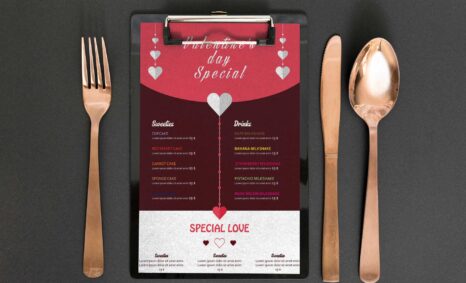
The Evolution of Flat UI Design
In the ever-changing landscape of web and mobile design, flat UI design has emerged as a dominant trend over the past decade. Characterized by minimalistic aesthetics, vibrant colors, and an emphasis on usability, flat design strips away unnecessary embellishments, allowing users to focus on functionality. As we look ahead to 2025, it’s essential to understand the trends influencing this design philosophy and how they will shape the digital experience.
As we look ahead to 2025, the rise of flat UI design continues to reshape the landscape of web aesthetics and functionality. With an emphasis on minimalism and user-centric experiences, emerging trends highlight the importance of clean lines, vibrant colors, and intuitive navigation. To enhance website performance and engagement, consider exploring responsive website design tips.
Understanding Flat Design
Flat UI design is a design style that emphasizes a minimalist approach, eliminating three-dimensional effects such as gradients, shadows, and textures. Instead, it prioritizes clean lines, bold colors, and intuitive layouts. This design language is particularly effective for mobile applications and websites, where user experience is paramount.
Key Characteristics of Flat Design
- Minimalism: The use of whitespace and simple layouts to enhance content readability.
- Bold Colors: Vibrant palettes that evoke emotions and drive engagement.
- Typography: Clear, sans-serif fonts that prioritize legibility and hierarchy.
- Iconography: Simple icons that are easily recognizable and convey meaning quickly.
- Responsiveness: Designs that adapt seamlessly across different devices.
The Rise of Neumorphism
As flat design continues to evolve, a new trend has emerged known as neumorphism. This design style takes the minimalist principles of flat design and incorporates slight shadows to create a soft, three-dimensional effect. Neumorphism blends the best of both worlds, making interfaces appear tactile while maintaining a clean aesthetic.
Defining Neumorphism
Neumorphism is characterized by:
- Soft Shadows: Subtle shadows create the illusion of depth without overwhelming the clean design.
- Light Colors: A palette that often revolves around pastels to enhance the soft effect.
- Tactile Interfaces: Elements that appear to be pressed or in-depth, encouraging interaction.
Trends to Watch in 2025
As we approach 2025, several emerging trends in flat UI design are poised to shape the user experience landscape.
1. Dark Mode
Dark mode has gained immense popularity, providing users with an alternative that is easier on the eyes, especially in low-light environments. Many platforms now offer dark themes, which are often designed using flat UI principles. This trend emphasizes:
- Reduced eye strain for longer usage periods.
- Enhanced visibility of UI elements through contrasting colors.
- A sleek, modern aesthetic that aligns with the cyberpunk movement in design.
2. Microinteractions
Microinteractions are small, subtle animations that provide feedback to users during their interaction with an interface. These elements enhance engagement and improve usability, making the user experience more intuitive. Expect to see:
- Subtle animations when buttons are clicked or toggled.
- Feedback messages that inform users of successful actions.
- Loading animations that add personality to an application.
3. Voice User Interface (VUI) Integration
As voice recognition technology continues to advance, the integration of voice user interfaces in flat UI design is becoming more prevalent. This evolution prioritizes:
- Accessibility for users with disabilities.
- Hands-free interactions that enhance user convenience.
- Seamless integration of voice commands to streamline tasks.
4. Customizable Interfaces
Customization is key in keeping users engaged with an application. Flat design will increasingly incorporate modular components that allow users to tailor their experiences. This includes:
- Drag-and-drop functionality to rearrange dashboard elements.
- Theme options that allow users to select their preferred color schemes.
- Font and layout adjustments to suit user preferences.
5. Sustainable Design Practices
As awareness of environmental issues grows, sustainable design practices will emerge as a significant trend. Designers will prioritize:
- Energy-efficient color palettes that consume less power on devices.
- Eco-friendly UI patterns that promote sustainable behaviors, such as energy-saving modes.
- Partnerships with organizations focused on sustainability to promote eco-conscious user choices.
Tools and Technologies Shaping Flat Design
The rise of flat design is supported by a variety of tools and technologies that facilitate its implementation. Some standout tools include:
| Tool | Description |
|---|---|
| Figma | A collaborative interface design tool that allows multiple users to work simultaneously. |
| Adobe XD | A powerful design tool for wireframing and prototyping user experiences. |
| Sketch | A vector-based design tool favored by many UI/UX designers for its simplicity and efficiency. |
| InVision | An online prototyping tool that helps designers create interactive mockups. |
| Canva | A user-friendly graphic design tool that simplifies the process of creating UI elements. |
Conclusion
As we look towards 2025, the evolution of flat UI design promises to enhance user experience through innovative trends and practices. By understanding the nuances of flat design and staying informed about emerging trends, designers can create visually appealing and user-centered interfaces that resonate with audiences. The integration of new technologies, styles, and practices will undoubtedly shape the future of digital interaction, emphasizing the importance of a seamless and intuitive user experience.
FAQ
What is flat UI design?
Flat UI design is a minimalist web design approach that emphasizes simplicity, usability, and clean lines, avoiding three-dimensional elements and gradients.
Why is flat UI design becoming more popular?
Flat UI design is gaining popularity due to its modern aesthetic, faster loading times, and improved user experience on various devices.
What are the key trends in flat UI design for 2025?
Key trends for flat UI design in 2025 include the use of bold colors, expressive typography, micro-interactions, and responsive design elements.
How does flat UI design improve user experience?
Flat UI design enhances user experience by providing intuitive navigation, reducing clutter, and making interfaces easier to understand and interact with.
Can flat UI design be applied to all types of websites?
Yes, flat UI design can be effectively applied to various types of websites, from e-commerce to portfolios, as it focuses on usability and aesthetics.
What tools can I use to create flat UI designs?
Popular tools for creating flat UI designs include Adobe XD, Sketch, Figma, and InVision, which offer features tailored for modern web design.