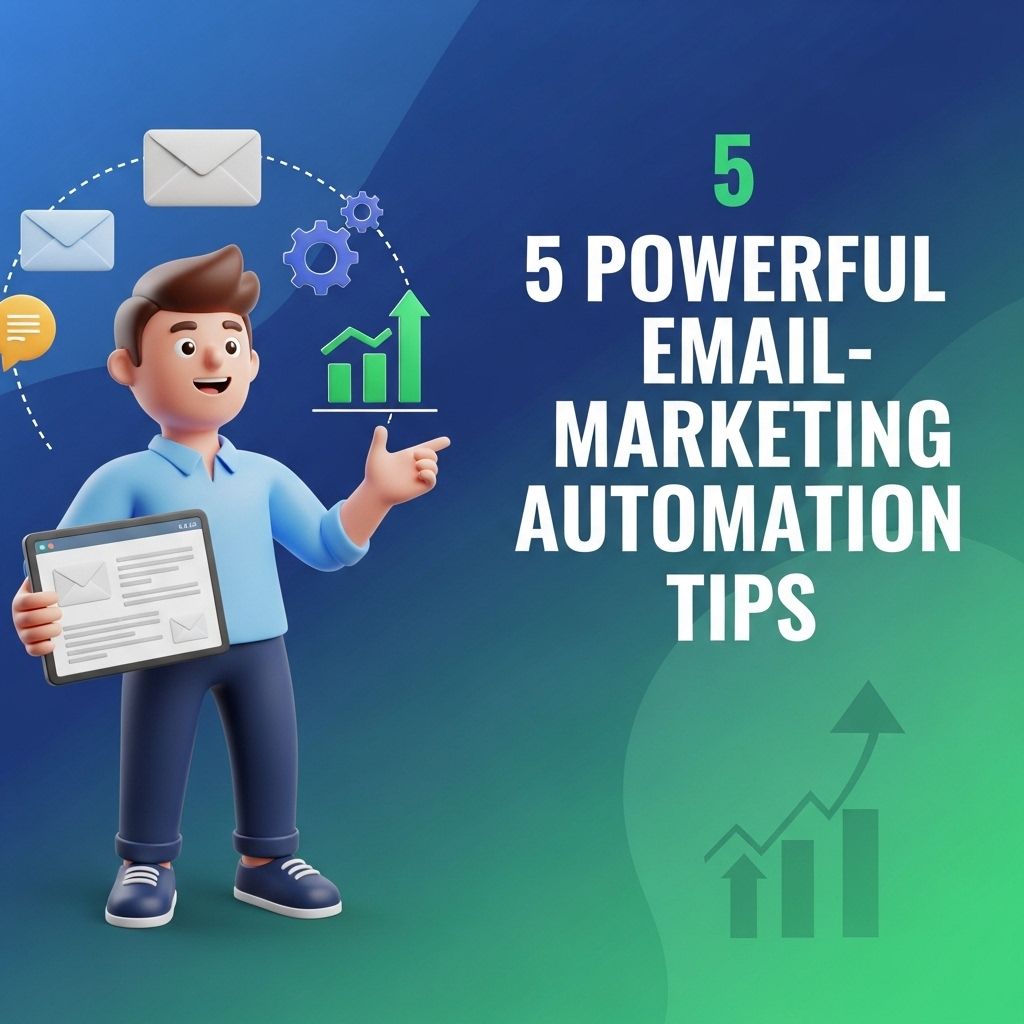
Email marketing remains one of the most cost-effective and direct methods to reach your audience. However, with the flood of emails that consumers receive daily, standing out is crucial. Automation can help streamline your efforts, allowing you to focus on strategy and creativity while ensuring that your campaigns are timely and relevant. In this article, we will explore five powerful email marketing automation tips that can elevate your campaigns and drive engagement.
Email marketing automation can significantly enhance your outreach efforts, allowing you to engage with your audience effectively. In this article, we will explore five powerful tips that can streamline your email campaigns and improve your overall marketing strategy. For a deeper dive into effective practices, consider reviewing the latest trends in web design.
Understanding Email Marketing Automation
Before diving into the tips, it’s essential to grasp what email marketing automation entails. It refers to the process of using software to send pre-scheduled email campaigns automatically. This can include welcome emails, product recommendations, and re-engagement messages, all triggered based on user behavior or specific timelines.
Benefits of Email Marketing Automation
- Time Efficiency: Automates repetitive tasks, freeing your resources for other strategic initiatives.
- Personalization: Tailors messages based on user behavior, preferences, and demographics.
- Increased Engagement: Sends timely and relevant content, improving open and click-through rates.
- Data Insights: Provides analytics to gauge campaign effectiveness and refine strategies.
1. Segment Your Audience Effectively
Segmentation is the backbone of successful email marketing. By dividing your audience into specific groups based on demographics, behavior, and preferences, you can create more targeted campaigns. Here are some common segmentation strategies:
Types of Segmentation
- Demographic: Age, gender, location, and income level.
- Behavioral: Past purchases, email engagement, and website activity.
- Psychographic: Interests, values, and lifestyle choices.
- Transactional: Customer journeys, such as first-time buyers or repeat customers.
Utilizing tools like customer relationship management (CRM) software can help in gathering and analyzing these segments, ensuring your content is relevant.
2. Automate Your Welcome Series
Your welcome series is the first impression new subscribers have of your brand, making it crucial for establishing a relationship. An automated welcome series typically includes:
Typical Welcome Series Structure
| Email Number | Content Type | Timing |
|---|---|---|
| 1 | Welcome Email | Immediately after subscription |
| 2 | Introduction to Brand | Day 2 |
| 3 | Product Recommendations | Day 5 |
| 4 | Engagement Email | Day 10 |
This series should focus on introducing your brand, highlighting key products or services, and encouraging engagement through social media or your website.
3. Implement Behavior-Based Triggers
Behavior-based triggers allow you to send emails based on specific actions taken by users. Some effective behavioral triggers include:
Common Trigger Events
- Cart Abandonment: Send reminder emails to users who leave items in their cart without completing a purchase.
- Purchase Confirmation: Send a thank-you email along with additional product recommendations.
- Re-engagement: Target dormant subscribers with special offers to encourage them to return.
By aligning your emails with user behavior, you can significantly increase the likelihood of conversions and customer loyalty.
4. Personalize Content Dynamically
Personalization goes beyond addressing recipients by their first name. Dynamic content allows you to tailor email content based on user preferences, past interactions, and behaviors. Here’s how to do it:
Strategies for Dynamic Personalization
- Product Recommendations: Use past purchase data to suggest items that complement previous buys.
- Content Customization: Adapt email copy and images based on subscriber preferences.
- Location-Based Offers: Provide special promotions based on the recipient’s geographical location.
According to studies, personalized emails have a significantly higher open rate and conversion rate, making this a crucial aspect of effective email marketing.
5. Analyze and Optimize Your Campaigns
Continuous improvement through data analysis is key to refining your email marketing strategy. Here are some metrics to track:
Key Performance Indicators (KPIs)
| Metric | Description |
|---|---|
| Open Rate | Percentage of recipients who open your email. |
| Click-Through Rate (CTR) | Percentage of recipients who clicked on a link in your email. |
| Conversion Rate | Percentage of recipients who completed a desired action (e.g., making a purchase). |
| Unsubscribe Rate | Percentage of recipients who opted out of your email list. |
Regularly analyzing these metrics will help you understand what’s working and what needs improvement. Utilize A/B testing to experiment with different subject lines, content types, and designs to determine the most effective strategies.
Conclusion
Email marketing automation is a powerful tool for enhancing customer engagement and driving sales. By segmenting your audience, automating welcome series, implementing behavior-based triggers, personalizing content, and continuously analyzing your campaigns, you can create a dynamic email marketing strategy that resonates with your audience. Embrace these tips to not only streamline your processes but also to foster a deeper connection with your subscribers, ultimately leading to increased loyalty and conversions.
FAQ
What are the benefits of email marketing automation?
Email marketing automation helps save time, increases efficiency, and allows for personalized communication with customers, ultimately improving engagement and conversion rates.
How can I segment my email list for better targeting?
Segment your email list based on factors like demographics, purchase history, and engagement levels to deliver tailored content that resonates with specific audience groups.
What type of content works best for automated email campaigns?
Content that educates, informs, or offers value, such as newsletters, product recommendations, and personalized discounts, typically performs well in automated email campaigns.
How do I set up a successful drip campaign?
To set up a successful drip campaign, define your goals, create a series of targeted emails that provide value over time, and automate the sending process based on user behavior.
What metrics should I track for email marketing automation?
Key metrics include open rates, click-through rates, conversion rates, and unsubscribe rates, which help you assess the effectiveness of your automated campaigns.
How often should I send automated emails?
The frequency of automated emails should be balanced; sending too often can lead to unsubscribes, while too infrequent can result in low engagement. Testing and monitoring engagement can help find the right cadence.