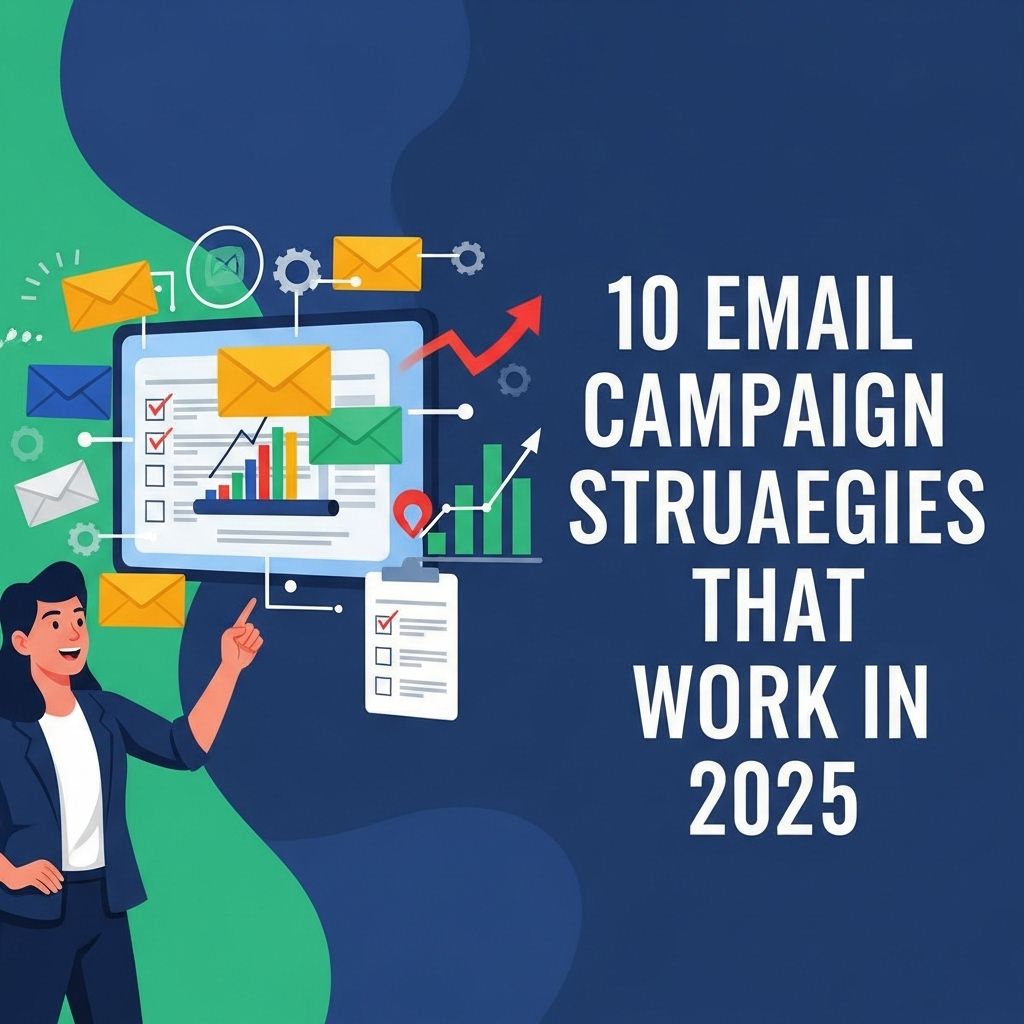
As the digital landscape continues to evolve, so too do the strategies for effective email marketing campaigns. In 2025, businesses are focusing on personalization, automation, and data-driven insights to capture and retain their audience’s attention. This article explores ten email campaign strategies that are designed to engage subscribers, drive conversions, and ultimately contribute to a company’s bottom line.
In 2025, email marketing remains a potent tool for engagement, and mastering effective strategies is crucial for success. From personalized segmentation to automation, the landscape is evolving rapidly, demanding innovative approaches. For businesses looking to enhance their online presence, exploring responsive website design tips can complement these email strategies.
1. Hyper-Personalization
Gone are the days when simply addressing an email by name was enough. In 2025, hyper-personalization is key. This strategy involves analyzing subscriber behavior and preferences to deliver highly tailored content. Consider the following:
- Use AI tools to track user behavior on your website.
- Segment your audience based on past purchases and engagement.
- Create dynamic content that changes based on user data.
Example of Hyper-Personalization
| User Behavior | Email Content |
|---|---|
| Visited product page | Offer a discount on that specific product. |
| Abandoned cart | Send a reminder with a coupon. |
| Opened previous email | Provide similar product recommendations. |
2. Automated Email Journeys
Automation has transformed the way marketers engage with their audience. Automated email journeys allow businesses to send a series of emails based on user actions over time. These often include:
- Welcome series for new subscribers.
- Re-engagement campaigns for inactive users.
- Post-purchase follow-ups to encourage reviews and repeat purchases.
Benefits of Automated Journeys
- Saves time and increases efficiency.
- Ensures timely communication with customers.
- Enhances user experience through relevant content delivery.
3. Interactive Content
Engaging your audience through interactive content can significantly boost open and click-through rates. In 2025, consider incorporating:
- Surveys and polls.
- Quizzes that lead to personalized recommendations.
- Gamified elements like scratch cards or contests.
Impact of Interactive Content
Interactive elements encourage participation, leading to:
- Higher engagement rates.
- Increased social shares.
- More valuable data collection for further segmentation.
4. Mobile-Responsive Design
With an increasing number of users checking emails on mobile devices, having a mobile-responsive design is crucial. Ensure your emails are:
- Optimized for various screen sizes.
- Fast-loading to retain user interest.
- Easy to navigate, with prominent call-to-action (CTA) buttons.
Mobile Design Best Practices
| Best Practice | Reason |
|---|---|
| Single-column layout | Simplifies reading on smaller screens. |
| Large CTA buttons | Enhances usability for touchscreens. |
| Avoiding large images | Reduces loading times and data usage. |
5. A/B Testing for Optimization
To maximize the effectiveness of your campaigns, A/B testing is essential. This strategy involves comparing two versions of an email to determine which performs better. Key elements to test include:
- Subject lines for higher open rates.
- Email layout and design.
- Different CTAs to drive conversions.
Effective A/B Testing Tips
- Test one variable at a time.
- Run tests on a representative sample of your audience.
- Analyze results over a significant timeline for accurate insights.
6. Leveraging User-Generated Content
User-generated content (UGC) is a powerful way to build trust and community around your brand. Encourage subscribers to share their experiences through:
- Customer reviews and testimonials.
- Images or videos showcasing your product.
- Social media posts that you can highlight in emails.
Benefits of UGC in Emails
Incorporating UGC can:
- Enhance credibility and authenticity.
- Encourage community engagement.
- Provide fresh content for your campaigns.
7. Data Analytics for Targeted Campaigns
Utilizing analytics tools to understand subscriber behavior is crucial for optimizing your campaigns. Key metrics to analyze include:
- Open rates and click-through rates.
- Conversion rates and ROI.
- Subscriber engagement and retention rates.
Implementing Data Insights
Use the data collected to inform your strategies by:
- Adjusting send times based on open rates.
- Identifying which types of content resonate most with your audience.
- Segmentation adjustments based on engagement behavior.
8. Compliance and Privacy Considerations
In 2025, compliance with regulations like GDPR and CCPA is non-negotiable. Make sure your email practices include:
- Transparent subscription processes.
- Clear options for opt-in and opt-out.
- Regular audits to ensure data protection measures are in place.
Best Practices for Compliance
| Practice | Description |
|---|---|
| Double Opt-In | Require users to confirm subscription to ensure valid leads. |
| Privacy Policy Updates | Regularly update privacy policies and communicate changes. |
| Data Access Requests | Allow users to request their data and understand its use. |
9. Strategic Timing and Frequency
Finding the optimal timing and frequency for sending emails can greatly affect engagement rates. Consider the following strategies:
- Analyze subscriber behavior to determine the best send times.
- Test different frequencies to find the sweet spot that maintains engagement.
- Utilize event-triggered emails to reach users at relevant moments.
Factors Influencing Timing
Some factors to keep in mind include:
- Time zones of your audience.
- Days of the week that yield higher open rates.
- Seasonal trends that may affect user behavior.
10. Continuous Learning and Adaptation
The digital marketing landscape is always changing, making it vital to stay updated with trends and technologies. Key strategies include:
- Participating in webinars and industry conferences.
- Following thought leaders on social media.
- Investing in training and resources for your marketing team.
Staying Ahead of Trends
By continuously learning, marketers can:
- Adapt to new technologies.
- Implement innovative strategies ahead of competitors.
- Understand evolving consumer behaviors and preferences.
In conclusion, email marketing strategies in 2025 require a blend of creativity, technology, and data-driven insights. By implementing these ten strategies, businesses can build stronger connections with their audience, enhance engagement, and achieve their marketing goals.
FAQ
What are the top email campaign strategies for 2025?
The top email campaign strategies for 2025 include personalization through AI, automated segmentation, interactive content, mobile optimization, and leveraging user-generated content.
How can I personalize my email campaigns effectively?
To personalize your email campaigns effectively, use data analytics to understand customer preferences, tailor content based on user behavior, and employ dynamic content that changes based on the recipient’s interests.
Why is mobile optimization important for email campaigns?
Mobile optimization is crucial because a significant percentage of users check emails on mobile devices. Ensuring your emails are mobile-friendly enhances user experience and improves engagement rates.
What role does automation play in email marketing strategies?
Automation streamlines email marketing efforts by allowing you to send targeted messages at the right times based on user actions, such as welcome emails, abandoned cart reminders, and re-engagement campaigns.
How can I increase engagement with interactive email content?
You can increase engagement with interactive email content by incorporating elements like polls, surveys, quizzes, and carousels that encourage recipients to interact directly within the email.
What is the impact of user-generated content on email campaigns?
User-generated content enhances email campaigns by building trust, providing social proof, and fostering a sense of community among your audience, which can lead to higher conversion rates.