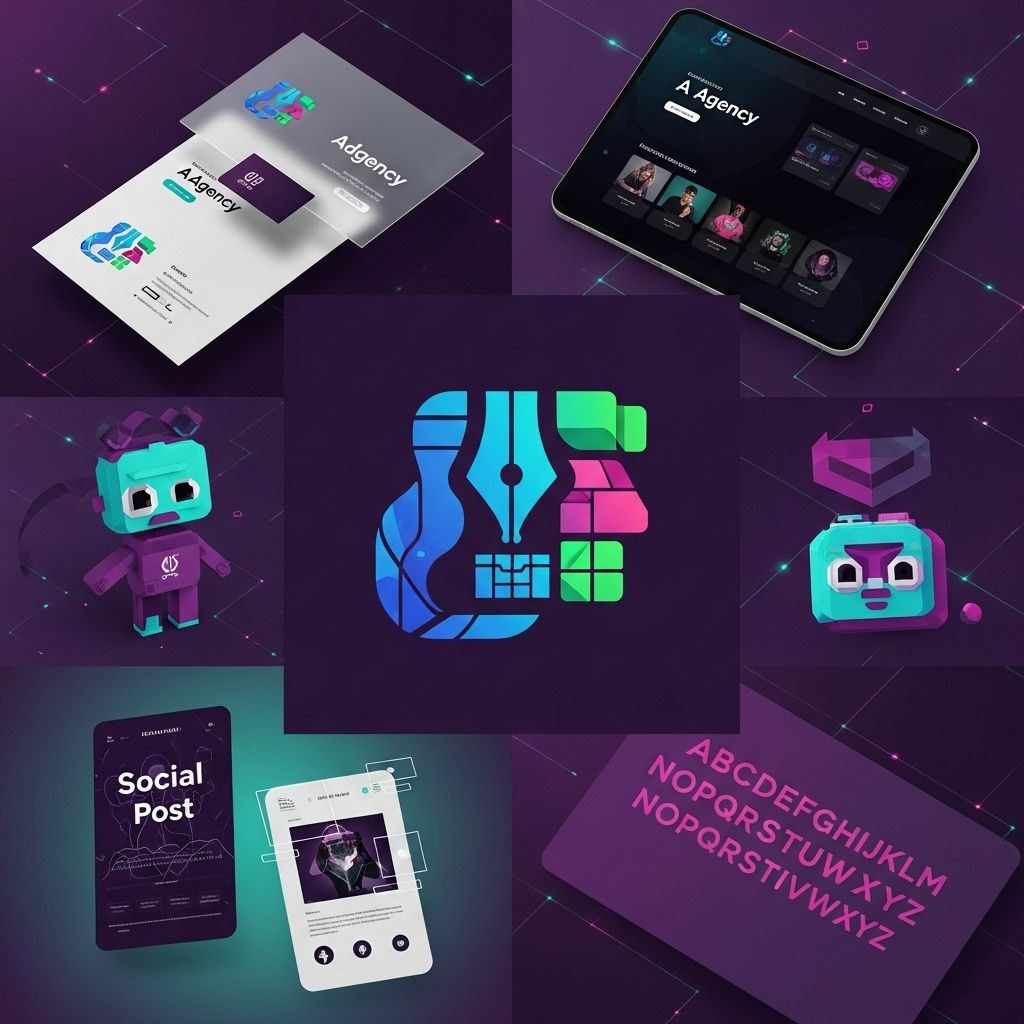
In the ever-evolving landscape of branding and marketing, the integration of artificial intelligence (AI) presents unprecedented opportunities for businesses to enhance their identity and resonate with audiences. As we step into 2025, leveraging AI prompts for branding has become not just an option, but a necessity for companies aiming to stay competitive. This article delves into the various aspects of using AI in branding, exploring practical applications, effective strategies, and real-world examples that can elevate your brand’s presence.
As we navigate the evolving landscape of 2025, integrating AI prompts into your branding strategy can provide a significant edge. These intelligent tools enable businesses to create more personalized and engaging content, effectively enhancing brand visibility and connection with audiences. To dive deeper into innovative design strategies, learn more about design.
The Rise of AI in Branding
Artificial intelligence has transformed numerous industries, and branding is no exception. AI tools can analyze vast amounts of data, generate creative content, and provide insights that human marketers may overlook. This capability allows brands to:
- Understand consumer behavior through data analysis.
- Create personalized marketing campaigns.
- Automate repetitive tasks, saving time and resources.
- Generate innovative ideas for brand messaging.
Understanding Consumer Behavior
Harnessing AI algorithms helps brands decode complex consumer behaviors. By analyzing interactions across multiple touchpoints, companies can identify patterns that lead to more targeted marketing strategies. Key metrics to consider include:
| Metric | Description |
|---|---|
| Customer Segmentation | Grouping customers based on shared characteristics. |
| Predictive Analytics | Forecasting future behaviors based on past data. |
| Sentiment Analysis | Assessing public opinion regarding brands. |
Creating Personalized Experiences
In 2025, personalization is paramount. AI-driven tools enable brands to create tailored experiences for their customers, enhancing engagement and loyalty. Here’s how:
Dynamic Content Creation
Using AI prompts, brands can generate content that resonates with specific audience segments. For instance, AI can suggest blog topics, social media posts, or email newsletters based on user preferences and trends.
Product Recommendations
Advanced algorithms analyze a user’s previous interactions and purchase history to suggest products they are likely to buy, thereby increasing conversion rates. Popular platforms such as:
- Amazon
- Netflix
- Spotify
employ these tactics effectively. Businesses should consider similar implementations to enhance customer journeys.
Streamlining Marketing Efforts
AI can also streamline marketing operations through automation, allowing teams to focus on strategic initiatives. Major applications include:
Social Media Management
AI tools can schedule posts, analyze engagement metrics, and even generate relevant hashtags, ensuring brands maintain a consistent online presence.
Email Campaign Optimization
AI enables businesses to optimize email marketing campaigns by analyzing open rates, click-through rates, and customer interactions, providing recommendations for improvement.
Chatbots and Customer Support
By implementing AI chatbots, brands can offer 24/7 customer support, responding to inquiries instantly and improving customer satisfaction. Key benefits include:
- Reduced response times.
- Cost-effectiveness.
- 24/7 availability.
Innovative Branding Ideas with AI Prompts
AI prompts can serve as the catalyst for brainstorming innovative branding concepts. Here are a few techniques to harness this potential:
Creative Campaign Generation
AI can inspire unique marketing campaigns by suggesting themes, visuals, and messaging that align with current trends. For instance, using tools like ChatGPT or DALL-E, marketers can explore:
- Out-of-the-box advertising concepts.
- Engaging social media challenges.
- Interactive content formats.
Brand Voice Consistency
Maintaining a consistent brand voice across all platforms is critical. AI tools can analyze existing content to ensure that the generated material adheres to the established tone and style. This not only helps in brand recognition but also fosters trust among consumers.
Real-World Applications of AI in Branding
Several brands have successfully integrated AI into their branding strategies, showcasing the effectiveness of these technologies:
Case Study: Nike
Nike employs AI to customize product recommendations and enhance customer experiences on their platform. Through analyzing customer data, Nike can tailor marketing messages and product offerings, resulting in increased customer engagement and sales.
Case Study: Coca-Cola
Coca-Cola utilizes AI for content generation and social media insights. Their AI-driven campaigns are designed to engage audiences with relevant and timely messaging, ensuring the brand remains top-of-mind.
Ethical Considerations in AI Branding
While the advantages of AI in branding are substantial, ethical considerations must not be overlooked. Brands should prioritize:
- Data privacy: Ensuring customer data is handled with care and transparency.
- Bias mitigation: Regularly assessing AI algorithms to prevent biased outcomes.
- Authenticity: Balancing automation with human touch to maintain genuine customer relationships.
Looking Ahead: The Future of AI in Branding
As we move further into 2025, the role of AI in branding is set to expand. Expect to see:
- Increased use of augmented reality (AR) and virtual reality (VR) in marketing campaigns.
- Enhanced predictive analytics for deeper consumer insights.
- Integration of AI with blockchain technology for secure and transparent data management.
Conclusion
The integration of AI prompts in branding strategies is not merely a trend but a transformative approach that can significantly enhance a brand’s effectiveness. By understanding consumer behavior, creating personalized experiences, and embracing innovative ideas, brands can position themselves for success in a competitive landscape. As we navigate through 2025 and beyond, the companies that leverage AI technology thoughtfully and ethically will undoubtedly lead the way in branding excellence.
FAQ
What are AI prompts and how can they enhance my branding?
AI prompts are predefined text suggestions generated by artificial intelligence that can inspire content creation, marketing strategies, and branding initiatives, helping brands to maintain consistency and creativity.
How can I integrate AI prompts into my branding strategy?
You can integrate AI prompts into your branding strategy by using them for social media posts, blog articles, product descriptions, and advertising copy to generate fresh ideas and maintain engagement.
What benefits do AI prompts offer for small businesses in branding?
AI prompts can provide small businesses with cost-effective content generation, saving time and resources while ensuring that their branding remains relevant and appealing to their target audience.
Are AI prompts suitable for all industries?
Yes, AI prompts can be tailored to suit a wide range of industries by addressing specific market needs, helping brands to generate industry-specific content and marketing materials.
How do I choose the right AI prompt tools for my branding needs?
To choose the right AI prompt tools, consider factors such as user-friendliness, customization options, integration capabilities with your existing tools, and the quality of generated prompts.
Can AI prompts help improve my brand’s online visibility?
Yes, by using AI prompts to create optimized content that aligns with SEO best practices, you can improve your brand’s online visibility and attract more traffic to your website.