PSD Mockup
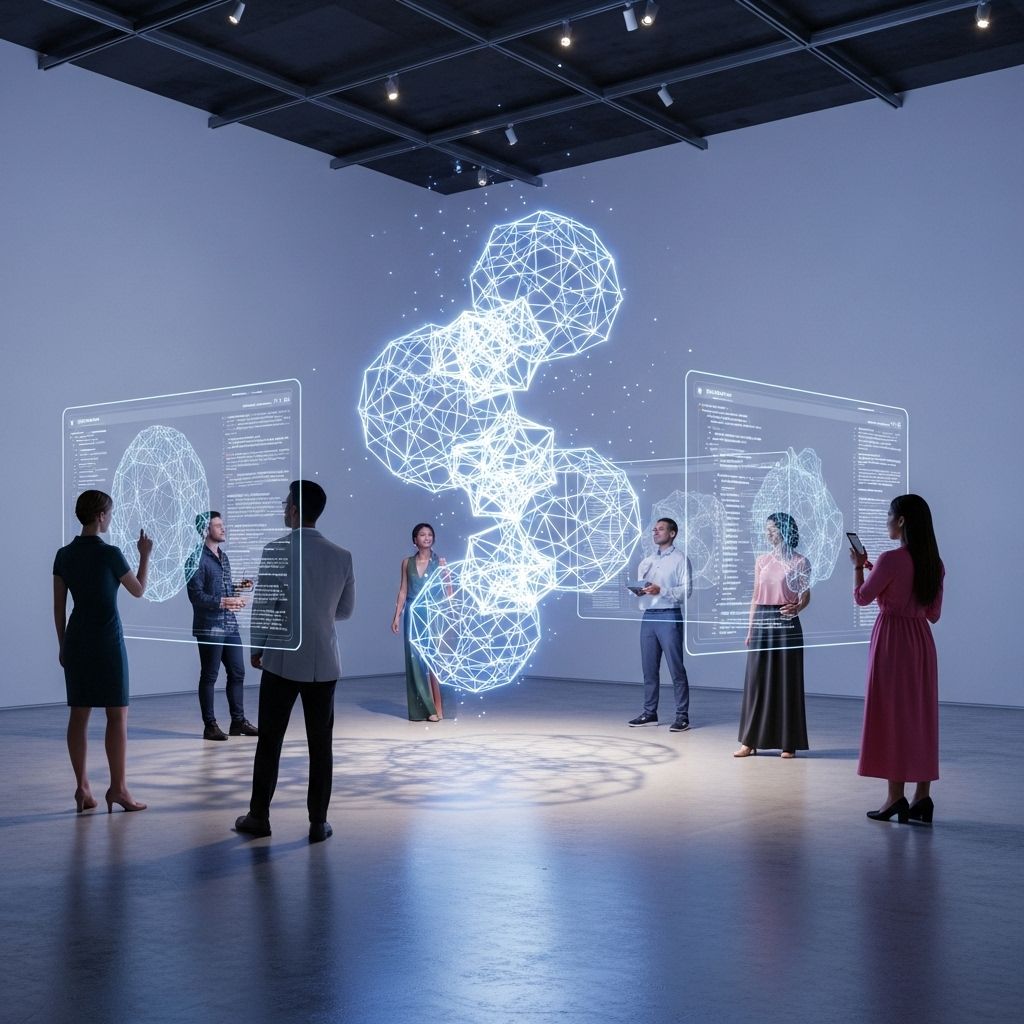
The intersection of artificial intelligence and digital art has been a fascinating evolution over the past couple of years. With the introduction of AI prompts, artists have discovered innovative ways to enhance their creative processes. As we advance into 2025, the potential for 3D art creation powered by AI is not just a fleeting trend; it represents a significant shift in how we conceptualize and produce art. This article explores the methodologies, tools, and future possibilities of 3D art in conjunction with AI prompts.
The Evolution of 3D Art
3D art has come a long way from basic polygonal models to intricate, lifelike renderings. The traditional methods of creating 3D art required extensive training and a deep understanding of various software applications, such as:
- Autodesk Maya
- Blender
- 3ds Max
- Cinema 4D
However, as technology has advanced, the integration of AI into these applications has transformed the landscape of 3D art creation.
Understanding AI Prompts
What Are AI Prompts?
AI prompts are textual or visual cues that guide artificial intelligence systems in generating creative outputs. By providing specific instructions or themes, artists can leverage AI to assist in various stages of the creative process.
How AI Enhances the Creative Process
AI algorithms can analyze vast datasets of existing art, identifying patterns, styles, and techniques that can inspire new creations. Here are some ways AI enhances the creative process:
- Inspiration Generation: AI can provide artists with unique ideas based on existing styles and trends.
- Speed: Artists can generate complex 3D models quickly, allowing them to focus on refining their ideas rather than getting bogged down in technical details.
- Automation of Repetitive Tasks: Routine processes, such as UV mapping and texture application, can be automated, freeing up artists for more creative work.
Popular AI Tools for 3D Art Creation
There are several AI-driven tools on the market that are revolutionizing the way artists create 3D art. Here are some of them:
| Tool | Description | Features |
|---|---|---|
| Runway ML | A platform for creatives that combines AI with visual art. | Text-to-image generation, video editing, and styling. |
| Artbreeder | Allows users to blend images to create unique art pieces. | Collaborative image editing, genetics-based modeling. |
| DeepArt | Transforms images into artworks in the style of famous painters. | Style transfer, high-resolution outputs. |
| Daz 3D | A 3D creation tool that utilizes AI to enhance model creation. | Pose morphing, character customization. |
Best Practices for Using AI in 3D Art
1. Define Your Vision
Before diving into AI-generated content, take the time to outline your artistic vision. Consider the themes, emotions, and messages you wish to convey.
2. Experiment with Different Prompts
The beauty of AI prompts lies in their versatility. Don’t hesitate to experiment with various prompts to see how the AI interprets your ideas.
3. Collaborate with AI, Don’t Rely on It
While AI can generate impressive outputs, it should serve as a tool rather than a crutch. Use the generated content as a springboard for your creativity.
Future Trends in 3D Art and AI
As technology continues to evolve, we can anticipate several trends that will shape the future of 3D art:
1. Greater Personalization
The ability to customize and personalize AI outputs will become more sophisticated. Artists will be able to fine-tune the generated content to align closely with their unique styles.
2. Integration with Virtual Reality (VR)
AI-generated 3D art will find its place in immersive environments. With advancements in VR technology, artists will be able to create experiences that are not only visual but also interactive.
3. Enhanced Collaboration Across Disciplines
As AI becomes more prevalent, collaboration between different art forms (like music, literature, and visual arts) will be facilitated, leading to a hybrid approach to creative production.
Challenges and Ethical Considerations
The integration of AI in creative processes does come with a set of challenges:
1. Copyright Issues
The use of AI to generate art raises questions about ownership and copyright. Who owns the art created by an AI system—the artist, the programmer, or the AI itself?
2. Quality Control
While AI can produce content quickly, the quality and originality of that content can vary significantly. Artists must remain vigilant in ensuring that the AI-generated works meet their standards.
3. The Role of the Artist
As AI takes on more creative tasks, artists may find their roles shifting. The emphasis will likely change from creation to curation, as artists will need to filter and refine AI outputs.
Conclusion
As we look towards 2025, the fusion of AI and 3D art presents an exciting frontier for artists and technologists alike. By embracing AI prompts, artists can enhance their creative processes, explore new themes, and produce stunning works that push the boundaries of traditional art. While challenges exist, the potential for innovation and collaboration within the artistic community is boundless. The future of 3D art is not just about the art itself; it’s about the journey of creativity that technology enables.
FAQ
What are AI prompts in 3D art creation?
AI prompts are creative suggestions generated by artificial intelligence that help artists conceptualize and enhance their 3D art projects.
How can AI prompts improve my 3D art in 2025?
AI prompts can provide unique ideas, streamline the creative process, and inspire new techniques, making your 3D art more innovative and engaging.
Are there specific tools for using AI prompts in 3D art?
Yes, several software tools and platforms are designed to integrate AI prompts into the 3D art creation process, enabling artists to experiment and evolve their work.
Can AI-generated prompts lead to copyright issues in 3D art?
While AI-generated prompts can inspire new creations, artists should ensure that their final works are original and not directly replicating AI-generated content to avoid copyright concerns.
What skills do I need to effectively use AI prompts for 3D art?
Basic knowledge of 3D modeling software, creativity, and an understanding of how to interpret AI suggestions will help artists effectively use AI prompts for their projects.
Will AI prompts replace human creativity in 3D art?
AI prompts are tools to enhance creativity, not replace it. They can inspire artists, but the unique vision and interpretation of the artist remain irreplaceable.