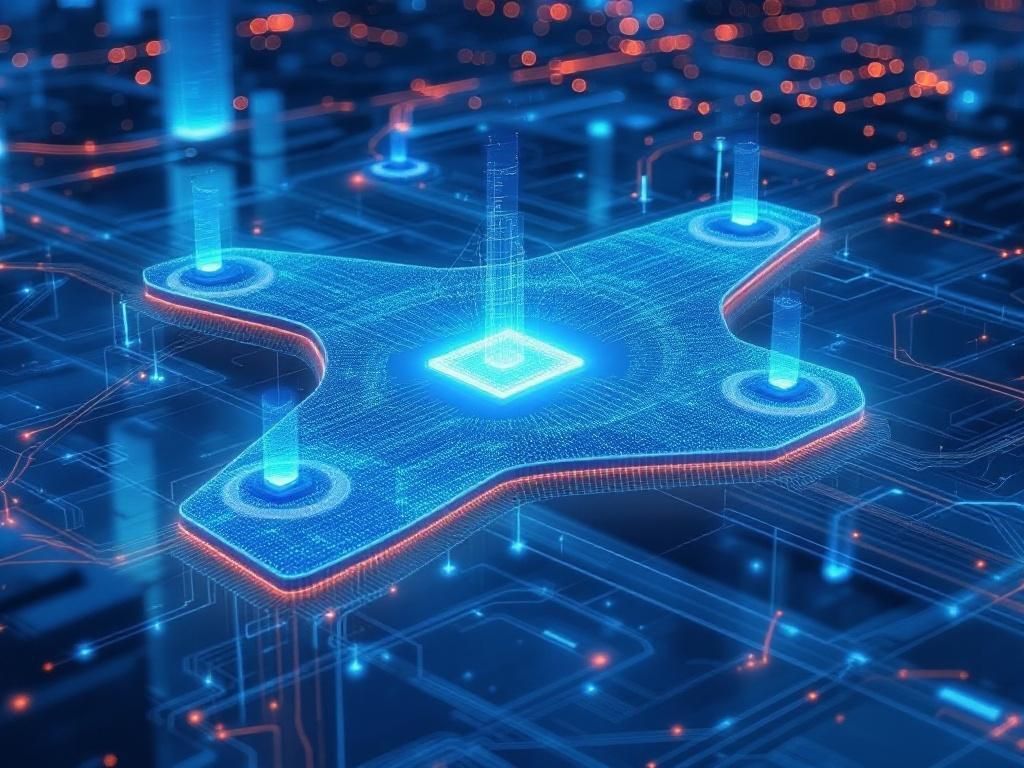
In an era where technology is rapidly transforming the landscape of industries, Digital Twin technology has emerged as a game-changer, especially in the realm of smart infrastructure. This innovative approach allows companies to create virtual replicas of physical entities, enabling real-time data analysis and optimization. But what exactly does this mean for the future of urban development, transportation systems, and the overall management of infrastructure?
Unlocking the future of smart infrastructure hinges on innovative technologies like digital twin solutions. These virtual replicas enable real-time monitoring and optimization, paving the way for more efficient and sustainable urban environments. For those interested in design, high-quality card mockups can enhance presentations and branding efforts: high-quality card mockups.
Understanding Digital Twin Technology
At its core, a Digital Twin is a virtual model of a physical object, system, or process, created using data collected from sensors, IoT devices, and simulations. This technology bridges the gap between the physical and digital worlds, providing insights that were previously unattainable. Here are some key components of Digital Twin technology:
- Data Collection: The process begins with collecting data from sensors and IoT devices embedded in physical infrastructure.
- Modeling: Data is then used to create a virtual model that accurately represents the physical entity.
- Simulation: The model can simulate various scenarios, allowing for predictive analytics and proactive management.
- Monitoring: Continuous monitoring provides real-time feedback, improving decision-making processes.
Applications of Digital Twin Solutions
The implementation of Digital Twin technology spans multiple sectors, providing innovative solutions to complex challenges. Here are some notable applications:
1. Urban Development
Smart cities are increasingly adopting Digital Twin technology for urban planning and management. By using digital replicas of city infrastructure, planners can:
- Analyze traffic patterns and optimize transportation systems.
- Monitor energy consumption and reduce waste.
- Enhance public safety through real-time surveillance and incident management.
2. Transportation Systems
Digital Twins play a crucial role in the management of transportation networks. Key benefits include:
- Predictive Maintenance: By analyzing the data from vehicles and roadways, agencies can anticipate maintenance needs, reducing downtime.
- Efficient Routing: Real-time data enables dynamic routing of vehicles, improving traffic flow and reducing congestion.
- Safety Enhancements: Digital Twins can model accident scenarios, leading to better safety protocols.
3. Energy Management
In the energy sector, Digital Twins are transforming how companies manage resources:
| Use Case | Description |
|---|---|
| Renewable Energy | Optimizing the performance of wind and solar farms through real-time monitoring and predictive analytics. |
| Grid Management | Enhancing grid stability and efficiency by simulating various load conditions. |
| Asset Management | Extending the life of infrastructure by predicting failures and scheduling maintenance. |
Benefits of Implementing Digital Twin Solutions
Adopting Digital Twin technology offers numerous advantages across various industries. Some of the key benefits include:
Cost Efficiency
By enabling predictive maintenance and optimizing resource usage, companies can significantly reduce operational costs.
Enhanced Decision Making
Access to real-time data and simulations allows for informed decision-making, minimizing risks and enhancing outcomes.
Improved Collaboration
Digital Twins facilitate collaboration among stakeholders, as everyone can access the same data and insights, fostering transparency and communication.
Challenges in Digital Twin Implementation
While the benefits are substantial, there are challenges to consider when implementing Digital Twin technology:
- Data Privacy: The collection and use of data raise concerns about privacy and compliance with regulations.
- Integration: Integrating Digital Twins with existing systems can be complex and require significant investment.
- Skill Gap: There is a need for skilled professionals who can effectively manage and analyze digital twin technologies.
The Future of Digital Twin Technology
As we look to the future, the role of Digital Twin technology is expected to expand even further, shaping the evolution of smart infrastructure. Several trends are emerging:
1. Increased Adoption of AI and Machine Learning
The integration of AI and machine learning with Digital Twins will enhance predictive capabilities, allowing for even more sophisticated simulations and analyses.
2. Broader Industry Applications
Industries beyond urban development and transportation, including healthcare, manufacturing, and agriculture, are beginning to explore the potential of Digital Twins.
3. Enhanced Collaboration Tools
As technology evolves, collaboration platforms will become more integrated with Digital Twins, enabling real-time teamwork and decision-making across different sectors.
Conclusion
Digital Twin solutions represent a revolutionary shift in how we manage and optimize infrastructure. By leveraging real-time data and advanced simulations, businesses and governments can make informed decisions that enhance efficiency, safety, and sustainability. As the technology continues to evolve, it will undoubtedly play a pivotal role in shaping the future of smart infrastructure, paving the way for smarter, more efficient cities and systems.
FAQ
What is a digital twin?
A digital twin is a virtual representation of a physical object or system that uses real-time data to simulate its behavior and performance.
How do digital twin solutions enhance smart infrastructure?
Digital twin solutions enhance smart infrastructure by providing real-time insights, optimizing performance, predicting failures, and enabling better decision-making.
What industries benefit from digital twin technology?
Industries such as manufacturing, construction, healthcare, and transportation benefit from digital twin technology by improving efficiency, reducing costs, and enhancing safety.
What are the key components of a digital twin solution?
Key components of a digital twin solution include data acquisition and integration, modeling and simulation, analytics, and visualization tools.
How can businesses implement digital twin solutions?
Businesses can implement digital twin solutions by identifying specific use cases, investing in the necessary technology, and collaborating with experts in data analytics and modeling.
What is the future of digital twin technology in smart infrastructure?
The future of digital twin technology in smart infrastructure includes advancements in AI and machine learning, enabling more sophisticated simulations and predictive analytics.