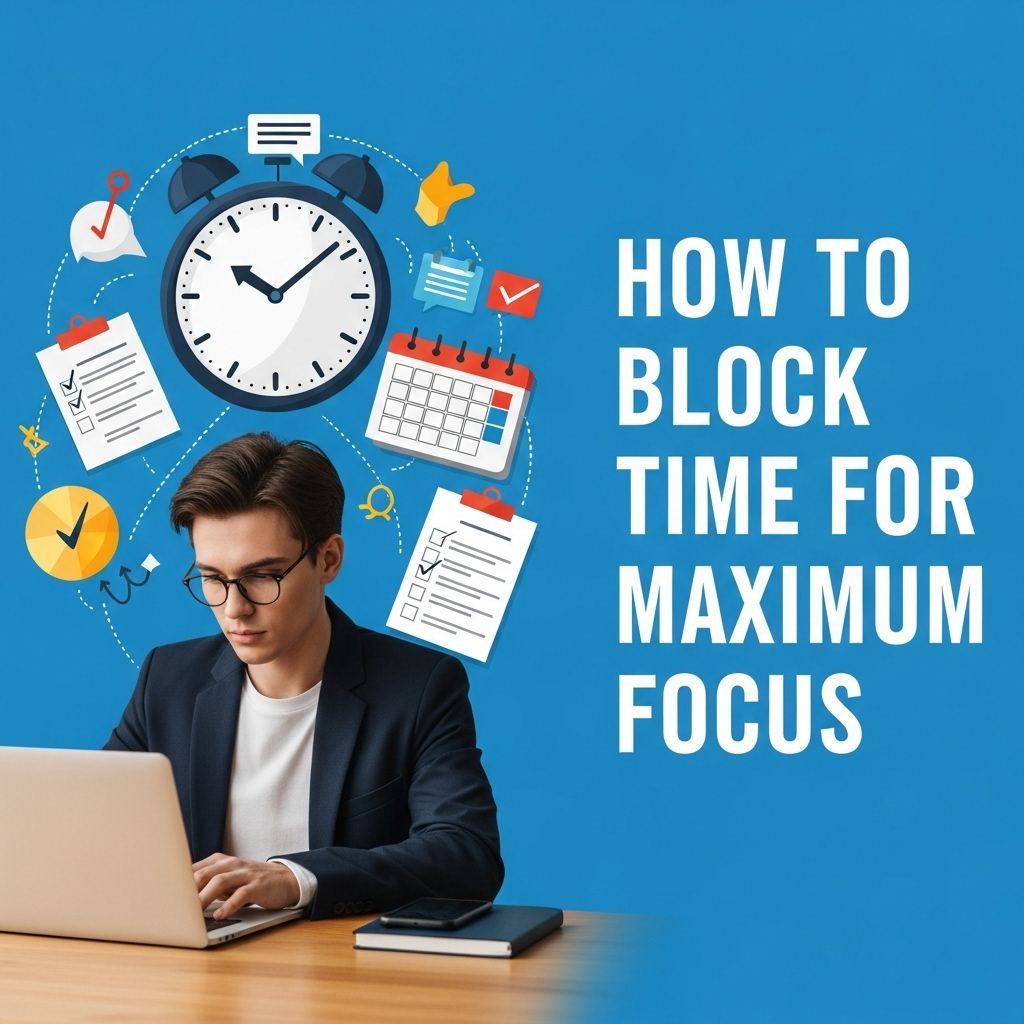
In today’s fast-paced world, staying organized is more crucial than ever. A well-structured daily planner can make a significant difference, helping you manage your time efficiently, track your tasks, and even set personal goals. Whether you’re a busy professional, a student, or a creative individual, the right planner layout can enhance your productivity and keep you motivated. Here are seven creative daily planner layout ideas that can transform your planning experience.
Daily planners can transform your productivity and organization, but finding the right layout is essential for maximizing their potential. In this guide, we’ll explore seven must-have planner layout ideas that cater to various planning styles, helping you streamline your tasks effectively. If you’re looking for visual inspiration for your projects, consider explore full wrap mug options for your next creative endeavor.
1. The Classic Time-Block Layout
The time-blocking method is a popular technique used by productivity experts. It involves dividing your day into blocks of time dedicated to specific tasks. This layout is ideal for anyone who wants to manage their time effectively.
How to Implement:
- Divide the Day: Create hourly blocks from morning to evening.
- Assign Tasks: Allocate specific tasks or activities to each block.
- Time for Breaks: Don’t forget to schedule short breaks to recharge.
| Time | Task |
|---|---|
| 8:00 – 9:00 AM | Team Meeting |
| 9:00 – 11:00 AM | Project Work |
| 11:00 – 11:15 AM | Break |
| 11:15 – 1:00 PM | Emails & Admin |
| 1:00 – 2:00 PM | Lunch |
2. The Goal-Oriented Layout
For those who thrive on setting and achieving goals, a goal-oriented layout can help track progress and keep you focused on what truly matters. This layout centers around long-term and short-term goals.
Components of a Goal-Oriented Layout:
- Daily Goals: Specify what you aim to achieve for the day.
- Weekly Reflections: Review accomplishments and challenges from the past week.
- Long-Term Goals: Keep track of broader objectives and milestones.
3. The Creative Layout
For artists, writers, or anyone who enjoys creativity, a planner layout that incorporates free space for drawings, doodles, or notes can be beneficial. This layout encourages artistic expression while maintaining organization.
Features to Include:
- Blank Spaces: Designate areas for sketches or brainstorming.
- Color Coding: Use different colors for different tasks or moods.
- Inspirational Quotes: Include quotes to motivate and inspire your creativity.
4. The Minimalist Layout
Less is often more, especially when it comes to planning. A minimalist layout focuses on simplicity, helping you prioritize what matters most without distractions.
Best Practices:
- Limit Sections: Focus on only essential categories.
- Use Simple Fonts: Stick to clean and easy-to-read typography.
- Neutral Colors: Choose a calm color palette to minimize visual clutter.
5. The Weekly Overview Layout
A weekly overview layout allows you to see the entire week at a glance. This is especially useful for individuals balancing multiple commitments across various areas.
Benefits of a Weekly Overview:
- Comprehensive View: See all your appointments and tasks for the week.
- Prioritize Tasks: Identify which tasks are most important or urgent.
- Adjust as Necessary: Easily reschedule tasks as needed throughout the week.
6. The Habit Tracker Layout
Tracking habits can be vital for personal growth. A dedicated space for habit tracking within your daily planner can help reinforce positive behaviors and routines.
How to Set Up a Habit Tracker:
- Identify Habits: Choose habits you want to track (e.g., exercise, reading).
- Daily Checkboxes: Create a grid with days of the week to mark off completed habits.
- Reflect: At the end of the month, review your progress and make adjustments.
7. The Digital Planner Layout
With the rise of technology, many prefer digital planners. A digital planner can offer unique features such as reminders, easy edits, and integration with other apps.
Key Benefits:
- Accessibility: Access your planner from any device.
- Customizability: Easily adjust layouts and templates.
- Integration: Sync with calendars and task management apps.
Conclusion
Choosing the right daily planner layout is essential for maximizing productivity and keeping organized. Each of the layouts outlined above offers unique benefits tailored to different needs and preferences. By experimenting with these ideas, you can find the layout that resonates with your lifestyle and helps you stay focused on your goals. Remember, the best planner is one that works for you, so don’t hesitate to customize your layout to suit your personal flair.
FAQ
What are the benefits of using a daily planner?
Using a daily planner helps improve time management, increases productivity, reduces stress, and allows for better organization of tasks and goals.
What are some popular daily planner layout ideas?
Some popular daily planner layout ideas include hourly schedules, to-do lists, habit trackers, goal-setting pages, and meal planning sections.
How can I customize my daily planner for maximum effectiveness?
You can customize your daily planner by incorporating personalized sections, using color coding, adding motivational quotes, and adjusting layouts to fit your unique workflow.
What should I include in my daily planner?
Your daily planner should include sections for appointments, tasks, priorities, notes, and reflection to help you stay focused and organized throughout the day.
Are there any digital tools for daily planning?
Yes, there are many digital tools for daily planning, such as apps like Todoist, Notion, Trello, or Google Calendar that offer customizable features for effective planning.
How often should I review my daily planner?
It’s recommended to review your daily planner at the end of each day and at the beginning of each week to reflect on accomplishments and plan for upcoming tasks.