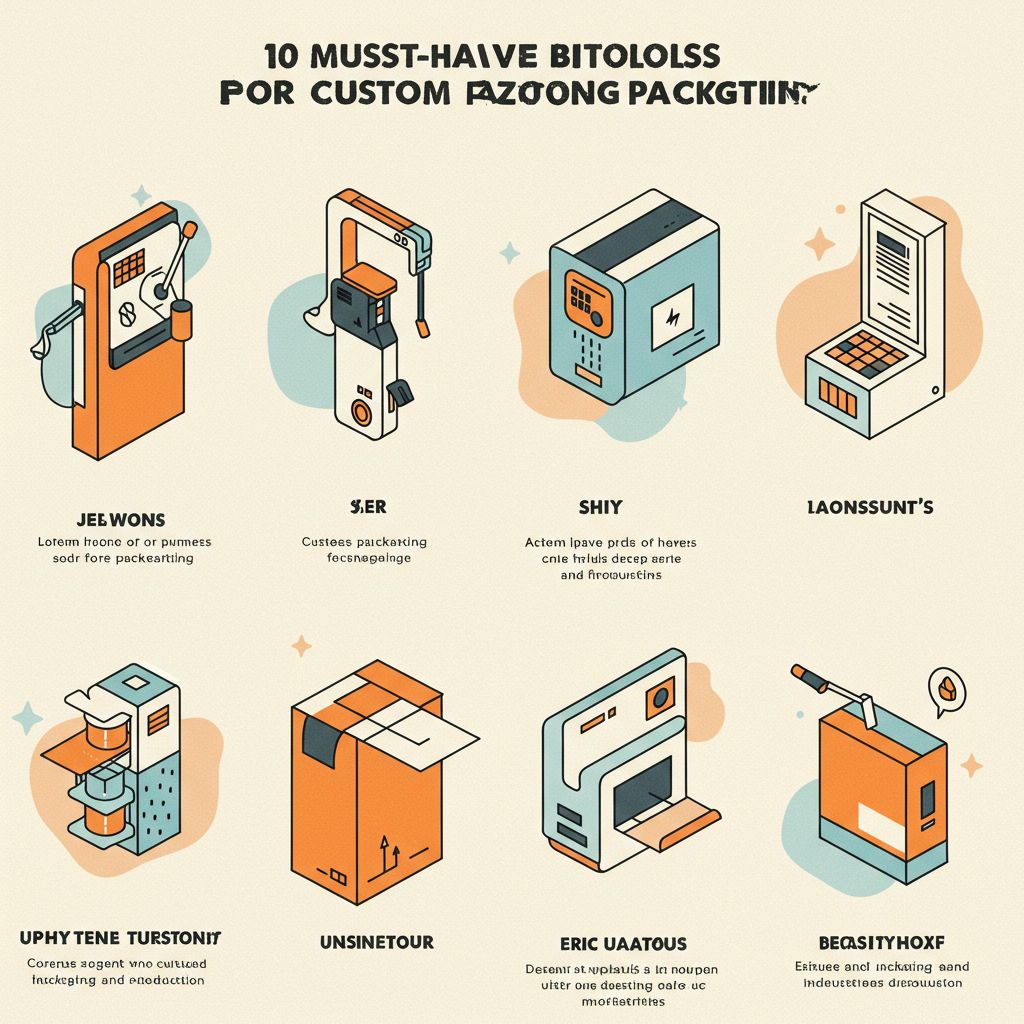
In the fast-paced world of e-commerce and retail, creating a memorable customer experience often begins with packaging. Custom packaging not only protects products but also serves as a marketing tool that can enhance brand identity. For businesses looking to develop unique packaging solutions, several tools are indispensable in the packing process. Below, we will dive into the essential tools that can elevate your custom packaging game.
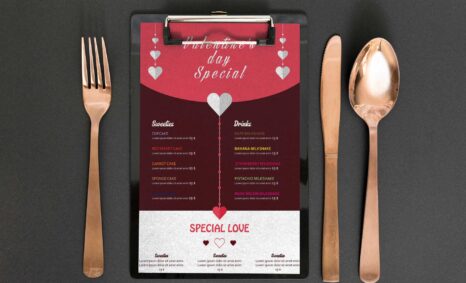
In the world of branding and product presentation, custom packaging plays a crucial role in capturing consumer attention and enhancing product value. To achieve packaging success, it’s essential to utilize the right tools that streamline the design process and create visually appealing results. For example, leveraging mockups for packaging can help visualize your designs effectively before production.
1. Design Software
Before you can create custom packaging, you need a strong design. High-quality packaging begins with graphics that capture your brand’s essence. The following software options are popular among packaging designers:
- Adobe Illustrator: A top choice for vector graphics and layout.
- CorelDRAW: Known for its user-friendly interface and powerful features.
- Inkscape: A free alternative that offers robust vector graphic capabilities.
Key Features to Look For
- Compatibility with printing processes.
- Ability to create and edit templates.
- Color management tools for consistent branding.
2. Prototyping Tools
Creating a prototype is crucial for testing your packaging design before mass production. The following tools can help streamline this process:
- BoxMaker: A web-based tool that allows you to design and visualize custom box prototypes.
- ArtiosCAD: Advanced design software that helps create packaging prototypes and die lines.
Benefits of Prototyping
- Identifying design flaws early in the process.
- Testing the packaging’s durability and usability.
- Gaining valuable feedback from stakeholders.
3. Cutting Tools
Once your design is finalized, cutting tools are essential for producing your packaging material accurately. Consider the following:
| Tool | Description | Best For |
|---|---|---|
| Craft Knife | A precision cutting tool for small-scale operations. | Small batches and intricate designs. |
| Die Cutter | A machine that cuts shapes and designs from different materials. | High-volume production. |
| Laser Cutter | Utilizes laser technology for precise cuts. | Complex designs and custom shapes. |
4. Printing Equipment
High-quality printing is crucial for custom packaging as it directly affects brand presentation. The following printing options are popular:
- Digital Printers: Ideal for small runs, offering flexibility in design changes.
- Flexographic Printers: Suitable for larger volumes; known for quick drying and vibrant colors.
- Offset Printers: Best for bulk orders, delivering high-quality results.
Considerations for Printing
- Material compatibility: Ensure your printer works well with your packaging materials.
- Color accuracy: Look for printers with strong color management capabilities.
- Print resolution: Higher DPI (dots per inch) means better quality.
5. Packaging Materials
The type of material you choose significantly influences the overall effectiveness of your packaging. Here are common options:
- Cardboard: Versatile and cost-effective, ideal for boxes.
- Plastic: Durable, lightweight, and often waterproof.
- Biodegradable Materials: Eco-friendly options that appeal to environmentally conscious consumers.
Choosing the Right Material
When selecting materials, consider:
- The nature of your product (fragility, weight).
- Your target audience’s preferences.
- Environmental impact and sustainability.
6. Sealing Tools
After packing products, ensuring they are sealed securely is essential to prevent damage during transit. Common sealing tools include:
- Heat Sealers: Ideal for plastic packaging.
- Packaging Tape Dispensers: For applying tape efficiently.
- Stretch Film Wrappers: Used for palletizing products.
7. Labeling Tools
Effective labeling can provide vital information and enhance brand visibility. Tools in this category include:
- Label Printers: For creating custom labels on demand.
- Label Design Software: Assists in designing eye-catching labels.
Tips for Effective Labeling
- Ensure clarity: Text should be easy to read.
- Branding: Use consistent fonts and colors.
- Legal Compliance: Include necessary information, such as ingredients or safety warnings.
8. Shipping Software
As you finalize your packaging process, shipping plays a crucial role in the customer experience. Quality shipping software can help manage logistics efficiently:
- ShipStation: Integrates with multiple platforms to streamline shipping.
- Easyship: Offers transparent pricing and multiple carrier options.
9. Inventory Management Tools
To keep track of packaging materials and finished products, inventory management software is essential. Popular options include:
- TradeGecko: Provides seamless inventory tracking.
- Zoho Inventory: An affordable solution for small to medium-sized businesses.
Benefits of Inventory Management
- Reduces waste and overstock.
- Enhances order fulfillment speed.
- Improves overall efficiency in the packaging process.
10. Ergonomic Packing Stations
Creating a comfortable packing environment can significantly improve productivity. Consider the following ergonomic solutions:
- Adjustable Workbenches: Allow staff to customize their working height.
- Tool Organizers: Keep tools and materials within easy reach.
- Anti-Fatigue Mats: Reduce discomfort during long packing sessions.
Conclusion
Investing in the right tools for custom packaging can lead to higher efficiency, better product protection, and a more memorable customer experience. By focusing on design, prototyping, cutting, printing, and shipping, businesses can create packaging solutions that stand out in the marketplace. Remember, the goal is not just to pack your product but to make a statement that resonates with your customers, enhances your brand, and ultimately drives sales.
FAQ
What are the essential tools for custom packaging?
The essential tools for custom packaging include cutting tools, sealing machines, design software, measuring tools, and labeling machines.
How can design software improve my custom packaging?
Design software allows you to create unique packaging designs, test different layouts, and visualize the final product before printing.
What cutting tools are recommended for custom packaging?
Recommended cutting tools include craft knives, scissors, and die cutters, which help achieve precise cuts for various packaging materials.
Why is a sealing machine important for packaging?
A sealing machine is crucial for ensuring that packages are securely closed to protect contents during transport and storage.
How do I choose the right measuring tools for packaging?
Choose measuring tools that provide accurate dimensions, such as rulers, calipers, and measuring tapes, to ensure your packaging fits perfectly.
What role do labeling machines play in custom packaging?
Labeling machines automate the process of applying labels to packages, ensuring consistency and professionalism in branding.