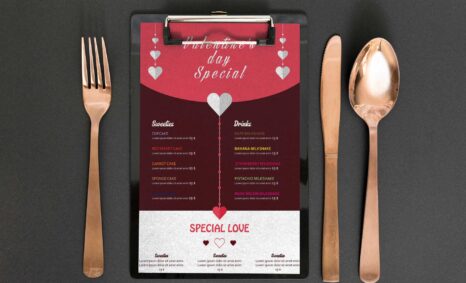
Typography is more than just arranging letters; it is an art form that communicates mood and intention. This journey through creative typography unveils the artistry that lies within typefaces, showcasing how they can elevate design and enhance messages. To further explore this topic, consider examining these explore banner templates that beautifully illustrate the power of typography in signage.
Introduction to Typography as an Art Form
Typography has long been more than just a medium for communication; it is, in its own right, an art form that combines aesthetics, functionality, and storytelling. Whether found on a page, screen, or billboard, the choice of typeface influences how we interpret the message being conveyed. Typography’s power lies not only in its form but also in its ability to stir emotions and provoke thought.
The history of typography dates back to ancient civilizations when letters were laboriously carved into stone. However, it wasn’t until the invention of the printing press in the 15th century that typefaces began to evolve from purely functional symbols into an expressive art form. Today, typography serves both utilitarian and decorative purposes, offering designers a vast palette to express creativity.
The Role of Typeface in Communication
Typeface selection is crucial in communication. The right typeface can enhance readability and set the tone for the narrative. It establishes the voice through which the content speaks to its audience, whether that voice is friendly, formal, modern, or traditional. Each choice, from serif to sans-serif, communicates a different message.
- Serif fonts, characterized by their small lines at the ends of letters, often convey a sense of tradition and reliability. They are frequently used in print media, such as newspapers and books, where clarity and comfort for prolonged reading are essential.
- Sans-serif fonts, on the other hand, are modern and clean, often associated with minimalism and technological advancements. Their simplicity makes them popular for digital displays and applications where readability across different screen sizes is critical.
- Script and decorative fonts, though less commonly used in large blocks of text due to their elaborate nature, add a personal and creative touch when used appropriately. They are ideal for branding and titles, where capturing the viewer’s attention is vital.
Typography and Cultural Influence
Typography is deeply entwined with cultural shifts and historical contexts. As societies evolve, so too does their visual language. The Renaissance period, for instance, favored ornate and intricate typefaces reflecting an era of artistic enlightenment. In contrast, the Industrial Revolution spurred a need for more structured and utilitarian typefaces suitable for mass production and advertising.
In the digital age, we witness diverse cultural influences converging to create hybrid typefaces that draw from multiple traditions and styles. This synthesis not only enriches the design landscape but also acknowledges the diverse voices and stories shaping our global narrative.
Personal Expression through Typography
Beyond cultural representation, typography allows for personal expression and identity. Many designers invest time in crafting bespoke typefaces tailored to their unique vision or message. These typefaces become a signature element of their work, distinguished by distinctive curves, weights, and proportions that speak volumes about their creators’ stylistic aspirations.
Consider the iconic typefaces associated with brands and individuals. From the curves of Coca-Cola’s script to Apple’s sleek sans-serif, these fonts do more than communicate words; they encapsulate the ethos and essence of the brand or individual they represent.
The Intersection of Art and Functionality
Typography is not just about selecting a font; it is about balancing aesthetics with functionality. Designers must consider a multitude of factors, including legibility, spacing, scale, and contrast, to ensure that the typography not only looks appealing but also serves its intended purpose. The artistry comes in harmonizing these elements to create a cohesive design that resonates with the audience.
Today, with the aid of advanced design software and digital tools, the boundary between typeface creation and graphic design has blurred, allowing for unprecedented innovation. Designers can manipulate letterforms and experiment with unconventional styles to create visually striking compositions that challenge traditional typographic norms.
- Adjusting kerning and leading to improve readability while maintaining visual appeal.
- Experimenting with color and gradients to enhance the mood and emphasis of the text.
- Incorporating typographic elements into interactive designs, adding an engaging layer to users’ experience.
Exploring Advanced Typography Techniques
As we delve deeper into the realm of typography, tools such as variable fonts open up new possibilities for designers. These responsive typefaces adapt their weight, width, and size in real-time to suit the demands of different devices and screen sizes, ensuring readability without sacrificing aesthetic integrity.
Additionally, generative typography is gaining traction. By integrating algorithms into design processes, typographers are creating dynamic letterforms that evolve in response to specific inputs or environmental factors, leading to a true fusion of art and functionality.
FAQ
What makes a typeface artistic?
Artistic typefaces incorporate unique design elements that extend beyond basic letterforms. These may include custom shapes, intricate details, and a distinct creative style that conveys a particular mood or concept.
How does typography affect branding?
Typography is integral to branding as it contributes to the brand’s voice and personality. A well-chosen typeface can enhance brand recognition and establish a consistent visual identity across various media.
Why is typography important for user interface design?
In user interface design, typography plays a key role in usability, guiding users through content effectively while ensuring readability across devices. Consistent typography enhances the overall user experience.
Can typography influence emotional responses?
Yes, typography can invoke emotions through its style and presentation. The design elements of type can create a sense of urgency, calm, excitement, or elegance, depending on the choices made by the designer.
Is there a relationship between color and typography?
Absolutely. Color and typography are intrinsically linked in conveying mood and emphasis. Color choices in typography can affect readability and emotional response, highlighting the importance of harmonious color schemes in design.
How do I choose the right typeface for my project?
Choosing the right typeface involves understanding your project’s purpose, audience, and message. Consider the context—whether print or digital—and the emotional tone you wish to convey. Testing different options in real scenarios can also help you decide on the most effective typeface.