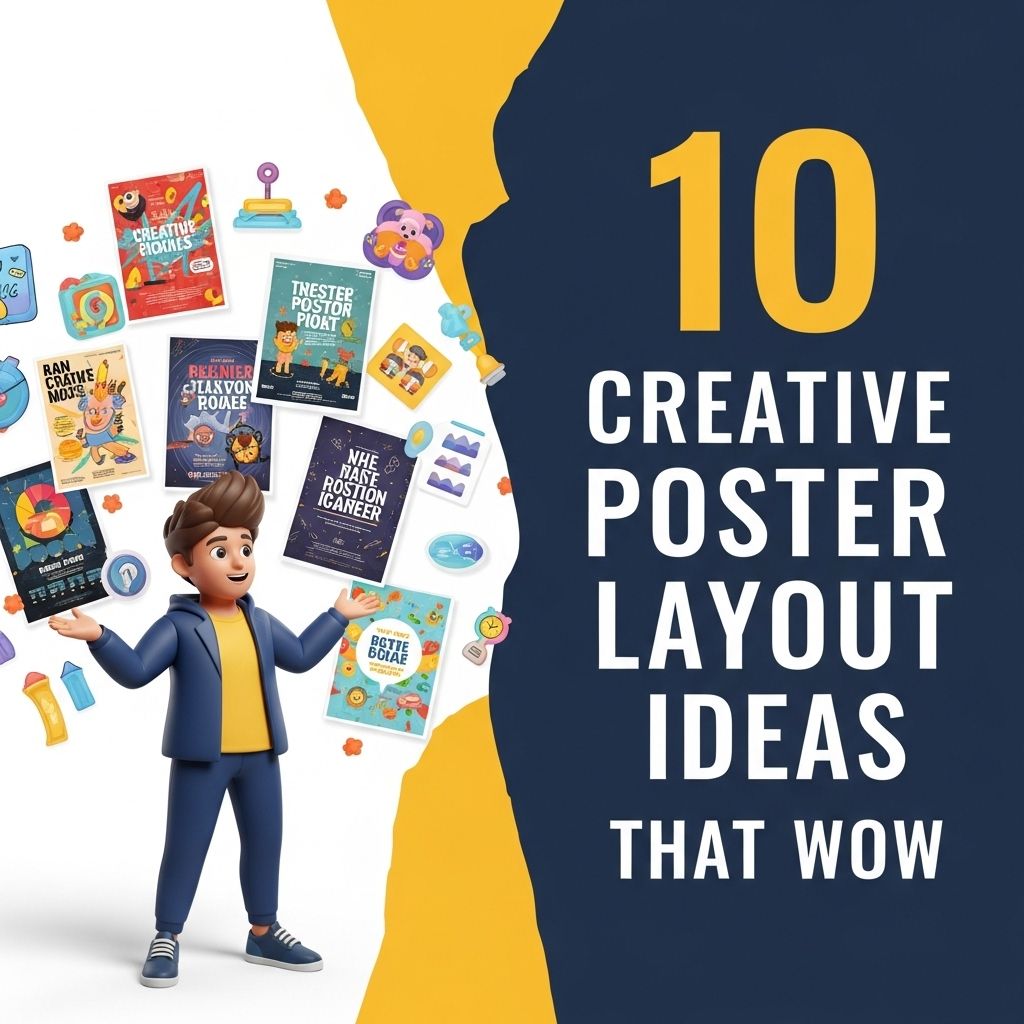
In the world of design, a poster serves as more than just a medium for information; it is a canvas for creativity and a tool for communication. Posters can inspire, inform, and entertain, making them essential in various settings—from advertising campaigns to event promotions. However, with numerous designs flooding the market, how can you create a poster that truly stands out? This article explores ten innovative poster layout ideas that will leave your audience in awe, ensuring your message is not only seen but remembered.
Creating an eye-catching poster is essential for grabbing attention and delivering your message effectively. In this article, we explore 10 creative poster layout ideas that will not only captivate your audience but also enhance the storytelling aspect of your design. For additional insights into design techniques, check out these best practices for website design.
1. Minimalist Design
Less is often more in design, especially when it comes to poster layouts. A minimalist approach emphasizes simplicity and focuses on essential elements. Key aspects include:
- Sparse use of color
- Large, bold typography
- Strategic placement of images
By limiting distractions, viewers can focus on the core message.
Example:
Consider a poster advertising a music concert featuring a simple black and white design, showcasing only the event’s name and date in large type, with ample white space surrounding it.
2. Typography-Centric Layout
Typography can serve as the focal point of your poster, transforming text into art. Use creative fonts and arrange them in unique ways to draw attention. Consider these techniques:
- Layer different fonts for contrast
- Utilize varying font sizes and weights
- Incorporate text as part of the image
This approach is particularly effective for posters where the message is the main focus.
Example:
A motivational poster might feature a powerful quote using a mix of script and sans-serif fonts, arranged in a way that forms an eye-catching shape.
3. Grids and Geometric Shapes
Using grids and geometric shapes can create visual harmony in your poster design. This layout allows for structured content placement and can enhance readability. Consider these tips:
| Shape | Usage |
|---|---|
| Squares | For aligning text or images |
| Triangles | To create dynamic movement |
| Circles | To highlight focal points |
By integrating these shapes, you can guide the viewer’s eye through the poster.
4. Dual-Tone Color Schemes
A dual-tone color scheme can create a striking visual impact. By pairing two complementary colors, you can create a bold statement. To implement this:
- Select colors that evoke the desired emotion
- Use one color for the background and the other for text or visuals
- Experiment with shades to add depth
This technique is particularly effective for promotional posters, as it can evoke excitement and interest.
5. Illustrated Posters
Incorporating illustrations instead of photographs can add a unique flair to your poster. Hand-drawn elements can make your design feel personal and engaging. Here are some tips:
- Use a limited color palette for consistency
- Combine illustrations with typography
- Ensure that the illustrations relate to the message
Illustrated posters work well for creative campaigns, art shows, or children’s events.
Example:
A children’s event poster might include playful illustrations of characters or animals themed around the event’s activities.
6. The Collage Approach
A collage can offer an eclectic and vibrant look, perfect for attracting attention. To create an effective collage, consider the following:
- Use a mix of textures and images
- Layer elements for depth
- Apply a consistent color scheme to unify the design
This layout is ideal for festival posters or art exhibitions where multiple elements need to be showcased.
7. Interactive Elements
In an age of digital interaction, incorporating interactive elements into your posters can engage viewers in a new way. Ideas include:
- QR codes linking to additional information or websites
- Scratch-off sections revealing discounts or surprises
- Augmented reality features for a digital experience
Interactive posters are especially effective for marketing campaigns or tech conferences.
8. Vintage or Retro Styles
Drawing inspiration from vintage design can evoke nostalgia and charm. To create a retro-styled poster:
- Use muted color palettes
- Incorporate vintage typography
- Add textures that mimic old paper or fabric
Such designs work well for events like retro-themed parties or vintage markets.
9. 3D Elements and Depth
Creating a sense of depth can elevate your poster design. Techniques include:
- Using shadows and highlights
- Layering elements to create a 3D effect
- Incorporating photographs that pop off the page
3D elements can create visual intrigue and keep viewers engaged.
10. Environmental Integration
Consider the environment where your poster will be displayed. Designing with the surroundings in mind can enhance the overall impact. For example:
- Use colors that complement the surrounding area
- Choose materials that fit the environment (e.g., wood for outdoor events)
- Incorporate natural elements or themes based on location
This approach creates a cohesive experience between the poster and its setting.
Conclusion
In conclusion, creating a captivating poster requires a blend of creativity, technique, and understanding of the audience. By experimenting with these ten layout ideas, designers can develop posters that not only communicate a message but also spark interest and evoke emotions. Whether using minimalist designs or incorporating interactive elements, the key is to find a style that resonates with your vision and speaks to your audience.
FAQ
What are some creative poster layout ideas?
Creative poster layout ideas include asymmetrical designs, layered elements, bold typography, photo collages, and minimalistic styles that draw attention.
How can I make my poster stand out?
To make your poster stand out, use contrasting colors, unique fonts, engaging images, and innovative layouts that capture the viewer’s interest.
What design elements should I consider for my poster?
Consider elements like color scheme, typography, imagery, spacing, and hierarchy to create a visually appealing and effective poster.
Are there any tips for using typography effectively in posters?
Use a limited number of fonts, ensure readability, create a visual hierarchy, and incorporate text alignment that complements your overall design.
What software is best for designing posters?
Popular software for designing posters includes Adobe Illustrator, Canva, Photoshop, and InDesign, each offering unique features for different design needs.
How important is the poster’s color scheme?
The color scheme is crucial as it sets the mood, creates visual interest, and can influence the emotions and responses of viewers.