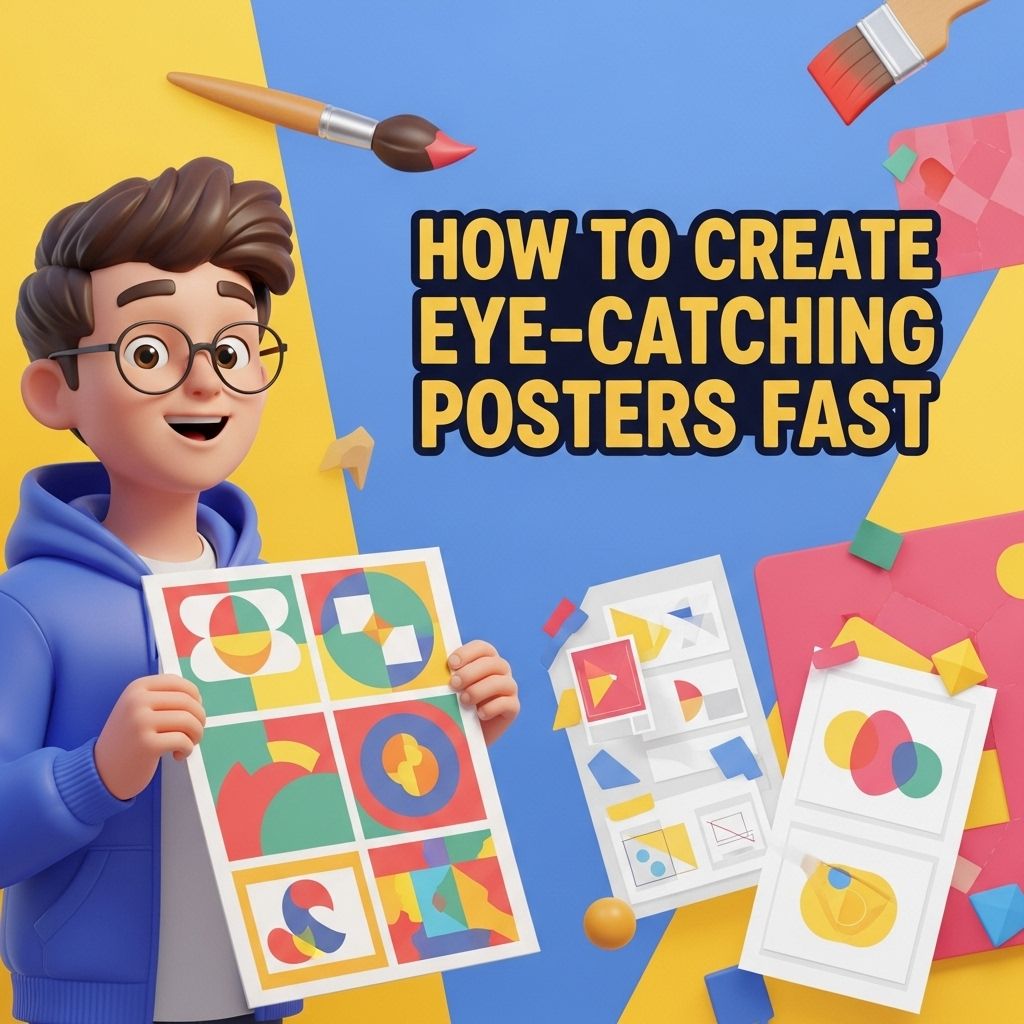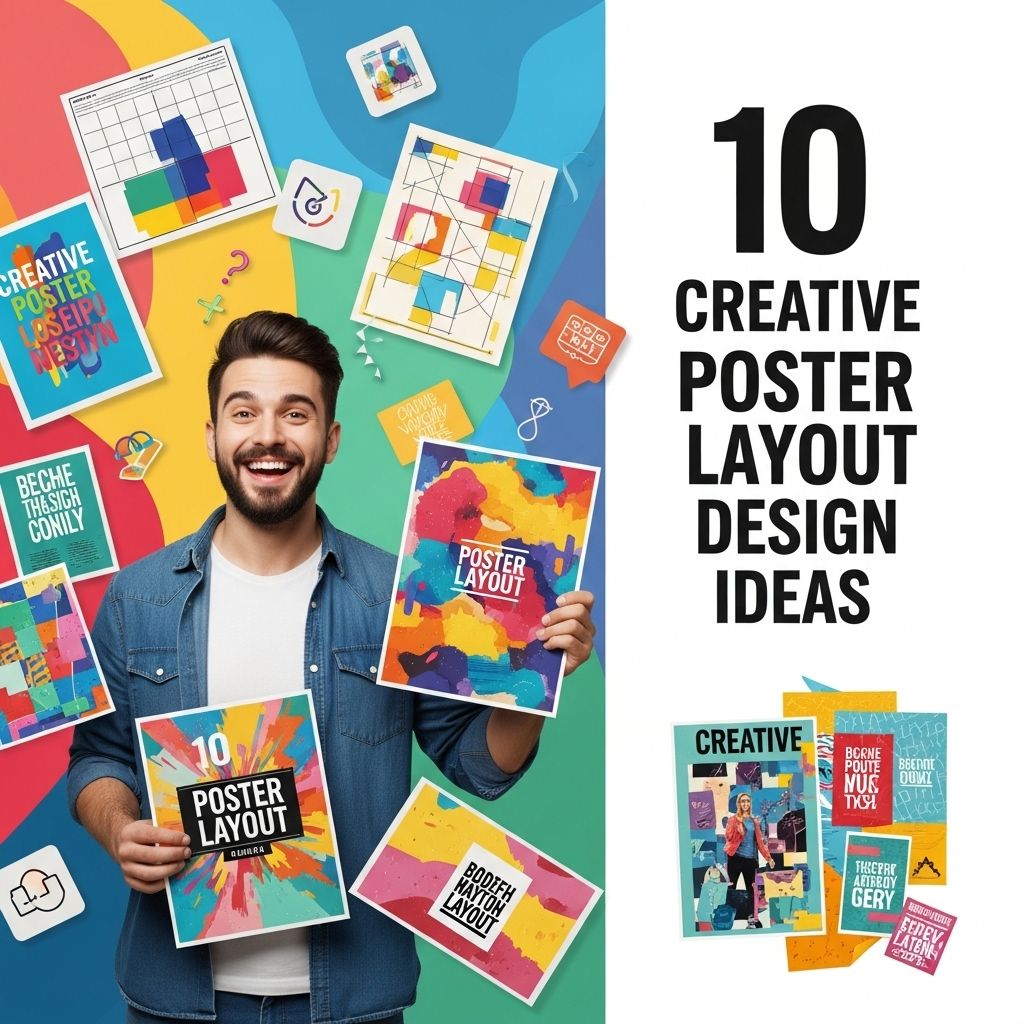
Creating an eye-catching poster can be a pivotal part of conveying a message effectively. Whether you are designing for an event, promotion, or educational purpose, the layout of your poster plays a crucial role in catching the audience’s attention. In this article, we will explore ten creative poster layout design ideas that can elevate your poster from mundane to mesmerizing.
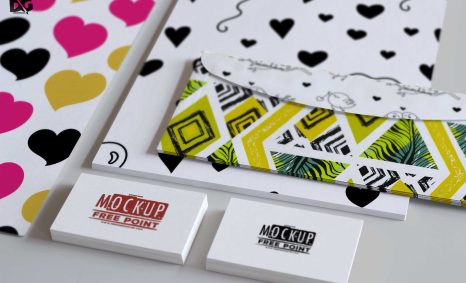
When designing a captivating poster, the layout plays a crucial role in communicating your message effectively. In this article, we will explore 10 creative poster layout design ideas that can enhance visual appeal and audience engagement. For further inspiration, check out these detailed mockup examples.
1. The Grid Layout
A grid layout is one of the most classic designs used in poster creation. This structured approach is particularly effective for organizing content clearly and cohesively. When utilizing a grid layout, consider the following:
- Define a clear hierarchy by using different text sizes.
- Incorporate images and graphics within the grid for visual appeal.
- Use consistent spacing for a uniform look.
Pros of Grid Layout
- Highly organized and easy to read.
- Facilitates alignment of various elements.
- Perfect for infographics and data representation.
2. Asymmetrical Balance
If you wish to create a dynamic and modern look, asymmetrical designs can be a great choice. This layout breaks traditional design rules and plays with elements in a way that feels fresh and exciting.
Tips for Asymmetrical Designs
- Place larger images or blocks of text on one side to draw attention.
- Utilize contrasting colors to enhance the visual tension.
- Ensure that elements are balanced through visual weight rather than symmetry.
3. The Circular Layout
Circular layouts can create a sense of unity and flow within a poster. This design can be particularly effective when you want to guide the viewer’s eye around the poster.
Applications of Circular Layouts
- Event promotions where a central theme is highlighted.
- Informational posters that circle around a core concept.
- Artistic or abstract designs that emphasize shapes and curves.
4. Minimalistic Design
Less is often more, especially in poster design. Minimalistic designs focus on essential elements, the use of negative space, and clean typography to deliver a powerful message without clutter.
Key Elements of Minimalistic Designs
- Simplified color palette, typically two to three colors.
- Focus on typography with a strong, readable font.
- Use of negative space to highlight important features.
5. Collage Style
A collage style brings a creative and artistic flair to poster layouts. This approach involves layering different textures, images, and typography to create a visually stunning composition.
Creating an Effective Collage
- Combine various graphic styles for a unique aesthetic.
- Layer images with transparency for added depth.
- Include handwritten elements for a personal touch.
6. The Timeline Layout
For historical or instructional posters, a timeline layout can effectively convey progression or development. This design allows viewers to follow a sequence of events or processes at a glance.
Features of Timeline Layouts
- Linear progression from left to right or top to bottom.
- Incorporation of dates or milestones.
- Use of icons or images to represent events visually.
7. Typographic Dominance
Sometimes, the words themselves can be the most striking element of a poster. A typographic-dominant layout focuses on the text by utilizing bold fonts and creative arrangements.
Designing with Typography
- Select a font that conveys the poster’s mood.
- Experiment with text orientation and placement.
- Use contrasting colors to make text pop.
8. The Infographic Approach
Infographics are an engaging way to present data and information visually. This layout combines various design elements to illustrate complex information in a digestible format.
Components of a Great Infographic Poster
- Bold headings to segment information.
- Visual aids like charts and graphs to represent data.
- Clear and concise descriptions accompanying visuals.
9. Color Blocking
Color blocking involves using vibrant colors in distinct blocks to create a visually striking contrast. This technique can help in organizing information while making it attractive.
Tips for Color Blocking
- Select a color palette that harmonizes well.
- Maintain a balance between contrasting colors and readability.
- Utilize blocks to highlight key messages or sections.
10. The Layered Look
Finally, a layered layout creates depth by overlapping various elements such as images, text, and other graphics. This technique can lead to a lively and engaging visual presentation.
Creating a Layered Poster
- Use varying opacities for overlapping images.
- Incorporate shadows or 3D elements for depth.
- Ensure readability is maintained in the foreground.
In conclusion, the layout of a poster is a vital element that can significantly influence its effectiveness. By exploring these ten creative design ideas, you can find inspiration and ideas to craft posters that not only capture attention but also communicate your message effectively. Remember to consider your audience and the purpose of your poster as you choose the layout that will work best for your specific needs. Happy designing!
FAQ
What are some unique poster layout design ideas?
Some unique poster layout design ideas include asymmetrical designs, grid layouts, typographic posters, minimalist designs, and layered collages.
How can I choose the right color scheme for my poster?
Choosing the right color scheme involves considering the theme of your poster, using complementary colors, and ensuring sufficient contrast for readability.
What fonts work best for creating impactful posters?
Fonts that work best for impactful posters include bold sans-serif fonts for headers and clean serif fonts for body text, ensuring that they are legible from a distance.
What elements should I include in my poster layout?
Essential elements to include in your poster layout are a catchy headline, engaging visuals, clear text, a call to action, and contact information.
How can I make my poster stand out?
To make your poster stand out, use high-quality images, unique typography, a creative layout, and ensure it conveys a strong message quickly.
What dimensions are commonly used for poster designs?
Common dimensions for poster designs include 24×36 inches for large posters and 11×17 inches for smaller posters, but dimensions can vary based on your specific needs.