Creating a fitness challenge can be an exhilarating way to engage individuals or groups in a health-focused endeavor. It not only promotes physical activity but also fosters camaraderie, motivation, and healthy competition. Whether you’re planning a challenge for your friends, coworkers, or a fitness community, structuring it effectively makes all the difference. In this article, we will explore the essential steps to design a successful fitness challenge, ensuring it is both fun and achievable.
Creating your ultimate fitness challenge starts with setting clear goals and a plan tailored just for you. Dive into various routines and find the perfect mix of strength, endurance, and flexibility exercises that keep you engaged. And while you’re at it, don’t forget to reward yourself with something tangible; you can find quality mug templates here to celebrate your achievements.
Understanding the Objectives
Before diving into the logistics of your fitness challenge, it is crucial to define what you want to achieve. Clear objectives will guide the planning process and help in measuring success later on. Here are some common objectives:
- Enhance overall physical fitness
- Increase awareness about healthy lifestyles
- Encourage teamwork and community bonding
- Help participants set and achieve personal fitness goals
Choosing the Type of Challenge
The next step is to decide on the type of challenge. Different formats can cater to different groups or objectives. Below are some popular types:
1. Step Challenge
This type of challenge encourages participants to track their daily steps over a set period, typically a month. Participants can use fitness trackers or smartphone apps to count their steps.
2. Workout Challenge
Participants commit to completing a specific workout routine every day for a set duration. These could be pre-defined workouts or a mix of cardio, strength, and flexibility exercises.
3. Diet Challenge
This challenge focuses on nutritional goals, such as consuming a certain number of fruits and vegetables daily or adhering to specific dietary guidelines.
4. Team Challenge
Groups compete against each other to complete a certain number of workouts or reach a fitness goal, fostering a sense of community.
Setting the Parameters
Once you have chosen the type of challenge, it’s time to set the parameters. Here are key aspects you need to consider:
Duration
Define how long the challenge will run:
- Short-term (1-2 weeks)
- Mid-term (1 month)
- Long-term (3 months or more)
Goals
Set clear, attainable goals for participants. Goals should be specific and measurable. For example:
| Challenge Type | Recommended Goal |
|---|---|
| Step Challenge | 10,000 steps/day |
| Workout Challenge | 30 minutes of exercise, 5 days a week |
| Diet Challenge | At least 5 servings of fruits/vegetables/day |
Rules
Establish rules to ensure fairness and consistency:
- How participants will track their progress (e.g., apps, paper logs)
- How often updates should be submitted
- Criteria for winning or recognition
Engaging Participants
To keep motivation high, it’s essential to engage participants throughout the challenge. Here are some effective strategies:
1. Kick-off Event
Host an initial meetup (virtual or in-person) to explain the challenge, share resources, and answer questions. This sets a positive tone and builds excitement.
2. Regular Check-ins
Schedule weekly or bi-weekly check-ins to assess progress, celebrate milestones, and maintain accountability. Use social media groups or apps for ongoing support.
3. Rewards and Recognition
Consider offering prizes or recognition. Rewards can be as simple as certificates or as elaborate as fitness gear. Recognizing efforts boosts morale.
Tracking Progress
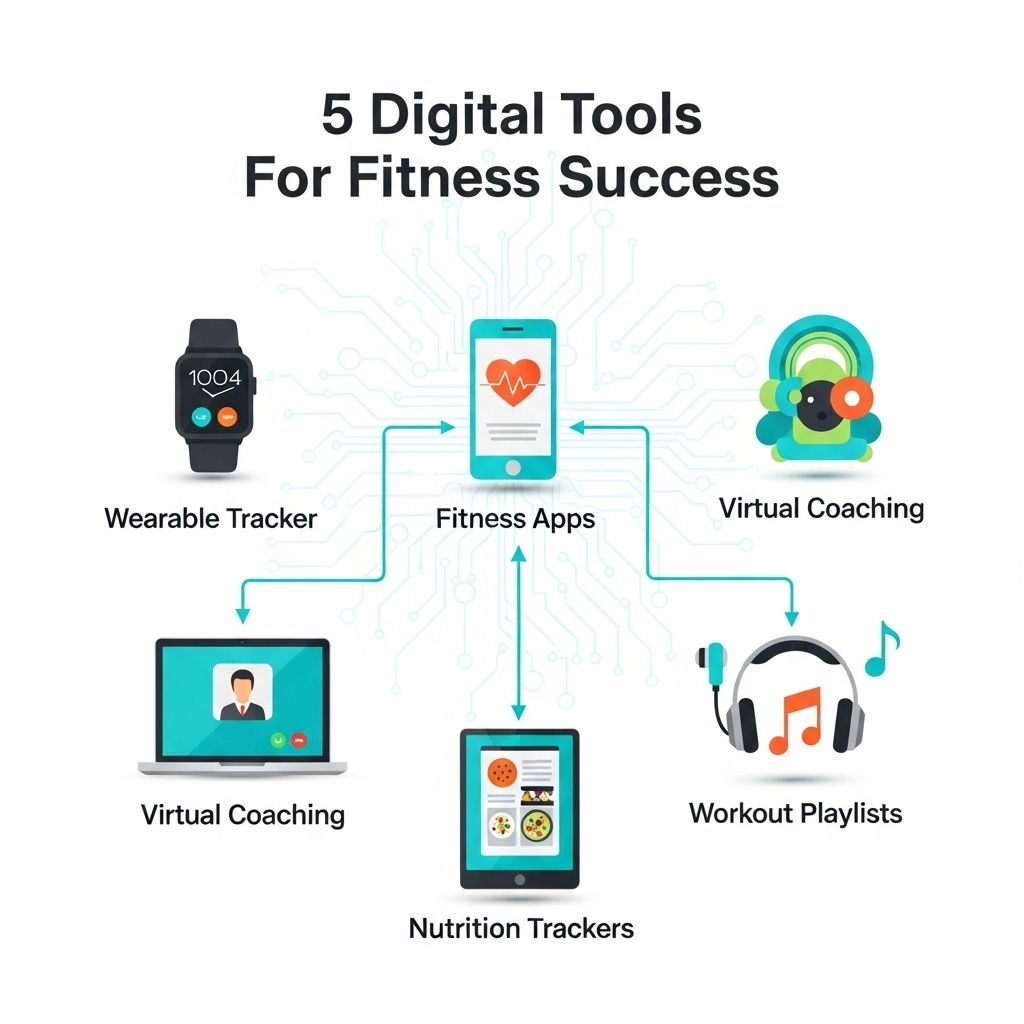
Tracking progress is vital for a successful fitness challenge. It allows participants to see how far they’ve come and make necessary adjustments. Here are some tracking options:
1. Fitness Apps
Encourage participants to use apps like MyFitnessPal, Strava, or Fitbit, which can help track workouts, nutrition, and overall progress.
2. Google Sheets or Excel
Consider creating a shared document where participants can log their activities. This transparency fosters healthy competition.
Celebrating Success
Once the challenge concludes, take time to celebrate participants’ achievements. This could be through a final event, a virtual gathering, or a simple shout-out in a group setting. Consider the following ideas for celebration:
- A closing ceremony to recognize efforts
- Sharing success stories and testimonials
- Distributing prizes or certificates
Feedback and Iteration
After the challenge, gather feedback from participants. Understanding what worked well and where improvements can be made is crucial for future challenges. Consider using surveys or discussions to gain insights.
Key Questions to Ask:
- What did you enjoy most about the challenge?
- What challenges did you face?
- How can we improve for next time?
Conclusion
Designing a fitness challenge can be a rewarding experience that encourages health, fitness, and community spirit. By following these steps—defining objectives, engaging participants, setting clear rules, and celebrating success—you can create a challenge that motivates and inspires. Remember, the ultimate goal is to promote a healthier lifestyle while having fun.
FAQ
What are the steps to create a successful fitness challenge?
To create a successful fitness challenge, define your goals, choose a theme, set clear rules, decide on a duration, promote your challenge, and track participants’ progress.
How can I keep participants motivated during the fitness challenge?
To keep participants motivated, provide regular updates, offer rewards or incentives, create a supportive community, and share success stories.
What types of fitness challenges can I organize?
You can organize various types of fitness challenges, such as step challenges, weight loss contests, workout streaks, or specific activity challenges like running or yoga.
How do I promote my fitness challenge effectively?
Promote your fitness challenge through social media, email newsletters, local gyms, fitness influencers, and community events to reach a wider audience.
What tools can I use to track progress in a fitness challenge?
You can use apps, spreadsheets, or fitness trackers to monitor participants’ progress, as well as social media platforms for sharing updates and achievements.
How can I ensure inclusivity in my fitness challenge?
To ensure inclusivity, offer various levels of challenges, provide modifications for different fitness levels, and encourage participation from diverse groups.