Color plays a crucial role in our daily lives, influencing our emotions, behaviors, and perceptions. Understanding the psychology behind colors can empower us to make better decisions in various aspects, from branding to interior design. This article dives deep into the powerful effects of color psychology and provides actionable tips on how to use colors effectively.
Understanding color psychology is crucial for effective marketing, as colors can evoke emotions and influence consumer behavior. In this article, we explore 10 powerful color psychology tips that can enhance your marketing strategies and drive success. For more insights on optimizing online presence, check out these responsive website design tips.
Understanding Color Psychology
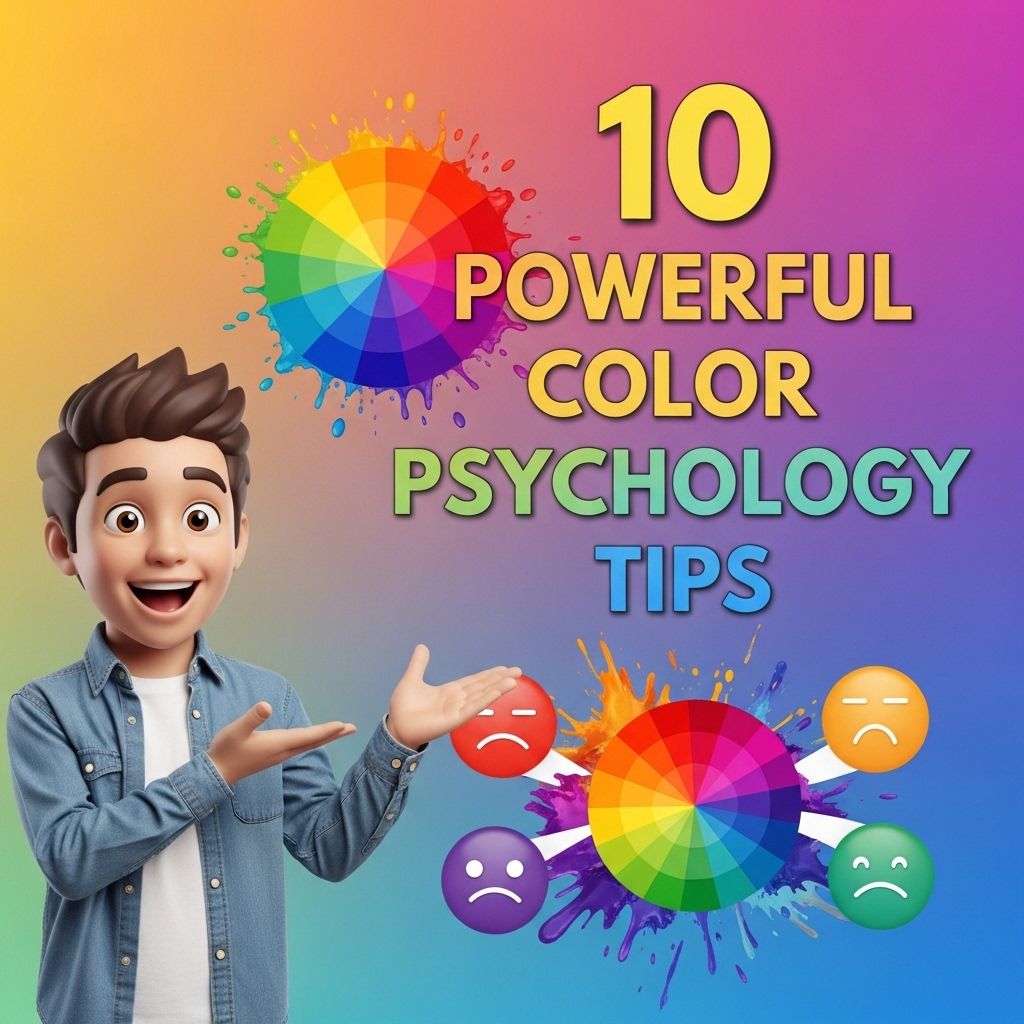
Color psychology is the study of how colors affect human behavior and emotions. Each color evokes certain feelings and associations, which can be harnessed for various purposes. Here are a few fundamental concepts:
- Emotional Response: Colors can elicit strong emotional responses. For instance, red can evoke excitement or aggression, while blue tends to have a calming effect.
- Cultural Significance: Colors carry different meanings in different cultures. For example, white is associated with purity in Western cultures but with mourning in some Eastern cultures.
- Brand Perception: The choice of colors in branding can significantly impact consumer perception and behavior.
Powerful Tips for Using Color Psychology
1. Leverage Red for Urgency
Red is a powerful color that can create a sense of urgency. It’s often used in clearance sales and promotions. Incorporating red into your marketing materials can encourage quick action.
2. Use Blue to Build Trust
Blue is commonly associated with trust, security, and professionalism. Brands like Facebook and Twitter use blue tones in their logos to convey reliability. Consider using blue in your corporate identity to foster trust with your audience.
3. Incorporate Green for Growth
Green symbolizes nature, growth, and health. This color is particularly effective in branding for eco-friendly products or health-related services. Use green to align your brand with concepts of sustainability and growth.
4. Opt for Yellow to Grab Attention
Yellow is bright and attention-grabbing. It can stimulate mental activity and generate a sense of cheerfulness. However, use it sparingly, as too much yellow can lead to anxiety.
5. Embrace Purple for Luxury
Purple is often associated with luxury, creativity, and wisdom. Brands like Cadbury and Hallmark use purple to communicate a sense of premium quality. Integrate purple into your design to evoke feelings of sophistication.
Color Combinations for Maximum Impact
Understanding how to combine colors effectively is just as important as knowing their individual meanings. Here are a few color palettes that work well together:
| Color Combination | Effect |
|---|---|
| Blue & Orange | Balancing and Energetic |
| Red & Yellow | Bold and Eye-Catching |
| Green & Brown | Natural and Earthy |
| Purple & Gold | Luxury and Wealth |
Practical Applications of Color Psychology
1. Website Design
When designing a website, consider the psychological impact of your color choices. Here are some tips:
- Use blue for trust and professionalism.
- Incorporate orange for calls to action.
- Keep backgrounds neutral to allow content to shine.
2. Branding Strategies
Your brand’s color scheme can significantly influence customer perceptions:
- Choose colors that reflect your brand values.
- Consistency across all platforms builds recognition.
- Test different color schemes to see which resonates best with your audience.
3. Interior Design
Colors can transform spaces and influence mood. Here’s how:
- Home Offices: Use calming blues or greens to increase productivity.
- Living Rooms: Warm colors like red and yellow can create an inviting atmosphere.
- Bedrooms: Soft, cool colors are ideal for a restful environment.
Case Studies: Successful Color Applications
Numerous brands have successfully harnessed color psychology:
Coca-Cola
Coca-Cola’s use of red is synonymous with excitement and thirst. This strategic choice has made its branding instantly recognizable worldwide.
Starbucks
Starbucks employs earthy greens and browns to convey a connection to nature and sustainability, aligning perfectly with its brand ethos.
Conclusion
Understanding and utilizing color psychology can enhance your marketing, design, and branding strategies. By applying these powerful tips, you can influence emotions, build trust, and create memorable experiences for your audience. Whether you are designing a website, creating a branding strategy, or redecorating your space, the right colors can lead to significant improvements in engagement and perception.
FAQ
What is color psychology?
Color psychology is the study of how colors affect human behavior and emotions. It explores how different colors can influence mood, perception, and even decision-making.
How does color influence marketing and branding?
Colors play a crucial role in marketing and branding by evoking specific emotions and associations. Brands use color strategically to connect with their target audience and convey their brand identity.
What colors are considered calming?
Calming colors typically include soft blues, greens, and lavender. These colors are often used in settings where relaxation and tranquility are desired, such as spas and bedrooms.
Which colors are known to stimulate appetite?
Warm colors like red, yellow, and orange are known to stimulate appetite. Many restaurants and food brands use these colors in their branding and decor to encourage diners to eat more.
How can I use color psychology in my home?
You can use color psychology in your home by choosing colors that reflect the mood you want to create in each room. For example, use warm colors in social areas like the living room and cool colors in bedrooms for relaxation.
What color is best for productivity?
Blue is often considered the best color for productivity as it promotes focus and calmness. Many offices use shades of blue to enhance concentration and efficiency among employees.