In the rapidly evolving world of online coaching, building a profitable coaching funnel is essential for success. A well-structured funnel not only helps you attract potential clients but also guides them through a seamless journey, ultimately leading to higher conversions and lasting relationships. In this article, we’ll delve into the components of an effective coaching funnel, strategies for creating high-converting offers, and tips for optimizing your funnel for maximum profitability.
Building a profitable coaching funnel is a game-changer for your business, allowing you to streamline client acquisition and maximize your impact. In just five simple steps, you can create a system that not only attracts your ideal clients but also converts them into loyal customers. For insights on enhancing your online presence, check out the latest trends in web design.
Understanding the Coaching Funnel
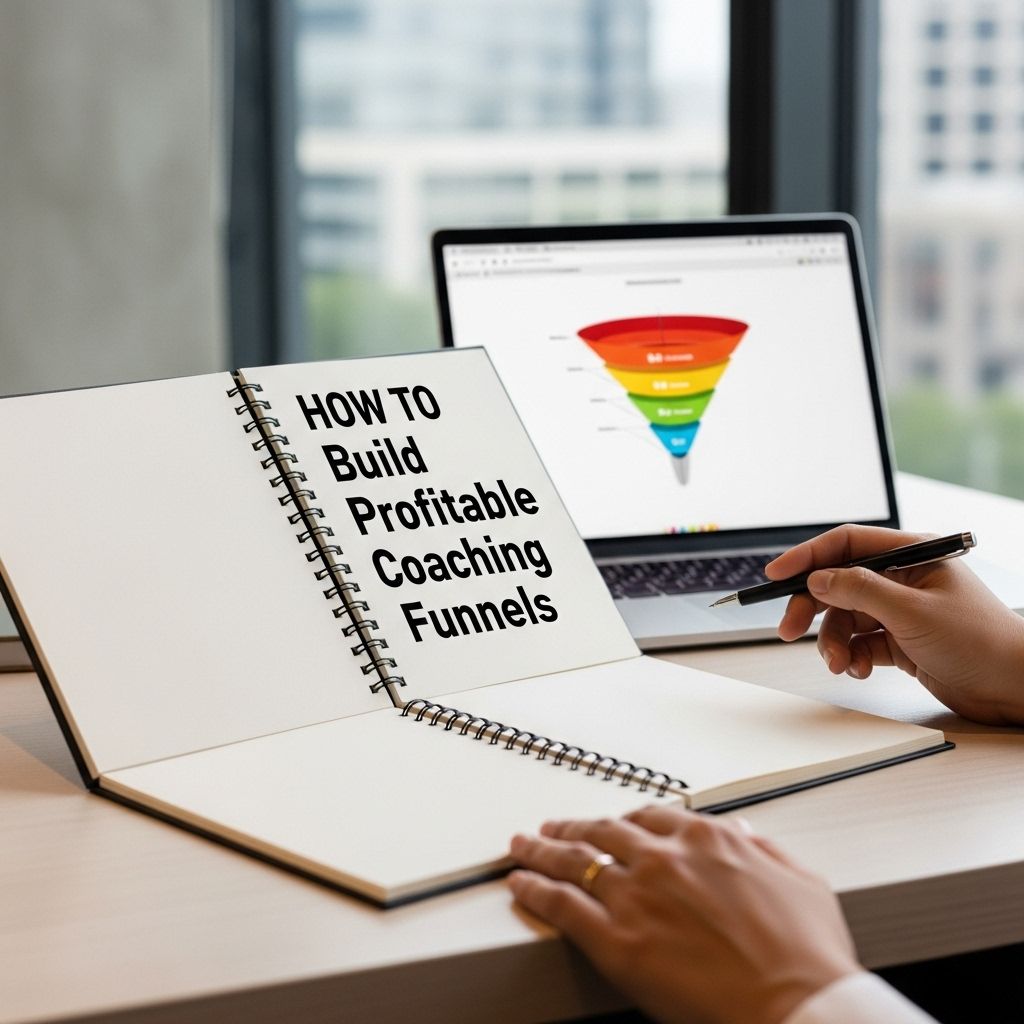
A coaching funnel is a series of steps designed to convert prospects into paying clients. By understanding the different stages of a funnel, you can tailor your marketing efforts to meet the needs of your audience at each point. Typically, a coaching funnel can be divided into the following stages:
- Awareness: Attracting attention through content marketing, social media, or ads.
- Engagement: Building relationships through email marketing, webinars, or free resources.
- Conversion: Turning prospects into clients through compelling offers.
- Retention: Maintaining relationships and upselling additional services.
Stage 1: Awareness
To build a successful coaching funnel, start by driving awareness. This stage is crucial for gathering leads who may be interested in your coaching services.
Strategies for Driving Awareness
Here are several strategies to consider:
- Content Marketing: Create valuable content such as blog posts, podcasts, or videos that resonate with your target audience.
- Social Media Advertising: Use platforms like Facebook, Instagram, or LinkedIn to promote your coaching services to a broader audience.
- SEO Optimization: Optimize your website and content for search engines to ensure prospects can find you easily.
Stage 2: Engagement
Once you’ve attracted leads, it’s time to engage them. This stage establishes a connection and builds trust, making prospects more receptive to your offers.
Building Engagement Through Value
Consider implementing the following tactics for effective engagement:
- Email Newsletters: Send regular updates and valuable content to your subscribers.
- Lead Magnets: Offer free resources (eBooks, templates, etc.) in exchange for email addresses.
- Webinars: Host live sessions where you can showcase your expertise and interact with potential clients.
Stage 3: Conversion
At this stage, your goal is to convert engaged prospects into paying clients. This is where your offer must shine.
Crafting an Irresistible Offer
To create a compelling offer, consider the following elements:
| Element | Description |
|---|---|
| Value Proposition | Clearly communicate the benefits of your coaching services. |
| Scarcity | Create urgency with limited-time offers. |
| Social Proof | Include testimonials and success stories from past clients. |
| Clear Call to Action | Guide prospects with a straightforward next step. |
Example of a Coaching Offer
Here’s an example structure for a coaching offer:
- Headline: Transform Your Life with Personal Coaching!
- Value Proposition: Join our 12-week coaching program designed to help you achieve your personal and professional goals.
- Bonus: Sign up today and receive a free one-on-one consultation!
- Call to Action: Click here to join now!
Stage 4: Retention
After converting prospects into clients, your focus should shift to retention. Maintaining relationships can lead to repeat business and referrals.
Strategies for Client Retention
Implement these strategies to keep clients engaged and satisfied:
- Regular Check-Ins: Schedule follow-up sessions to assess progress and provide ongoing support.
- Exclusive Content: Offer clients access to exclusive resources or community groups.
- Upselling and Cross-Selling: Introduce additional services that complement your coaching program.
Optimizing Your Coaching Funnel
To ensure your coaching funnel remains profitable, continuous optimization is key. Regularly assess each stage to identify areas for improvement.
Analytics and Tracking
Utilize analytics tools to track the performance of your funnel:
- Google Analytics: Monitor website traffic, user behavior, and conversion rates.
- Email Marketing Software: Analyze open rates, click-through rates, and engagement metrics.
- CRM Systems: Track client interactions and feedback to enhance services.
Conclusion
Building a profitable coaching funnel is an ongoing process that requires attention to detail, testing, and refinement. By understanding each stage of the funnel and implementing targeted strategies, you can attract, engage, convert, and retain clients effectively. With dedication and continuous optimization, your coaching business can thrive in a competitive landscape.
FAQ
What is a coaching funnel?
A coaching funnel is a structured process designed to attract potential clients, nurture their interest, and convert them into paying coaching clients.
Why are coaching funnels important for my business?
Coaching funnels are essential because they provide a systematic approach to generate leads, nurture relationships, and ultimately increase sales, ensuring a steady flow of clients.
What are the key components of a successful coaching funnel?
The key components of a successful coaching funnel include an engaging lead magnet, a landing page, an email marketing sequence, and a sales page that effectively converts leads into clients.
How can I create an effective lead magnet for my coaching funnel?
To create an effective lead magnet, offer valuable content such as eBooks, webinars, or free coaching sessions that address the pain points of your target audience and encourage them to provide their contact information.
What tools can I use to build my coaching funnel?
Popular tools for building coaching funnels include ClickFunnels, Kajabi, and Leadpages, which provide templates and features to streamline the process.
How do I measure the success of my coaching funnel?
You can measure the success of your coaching funnel by tracking key metrics such as conversion rates, email open rates, and the overall return on investment (ROI) from your marketing efforts.