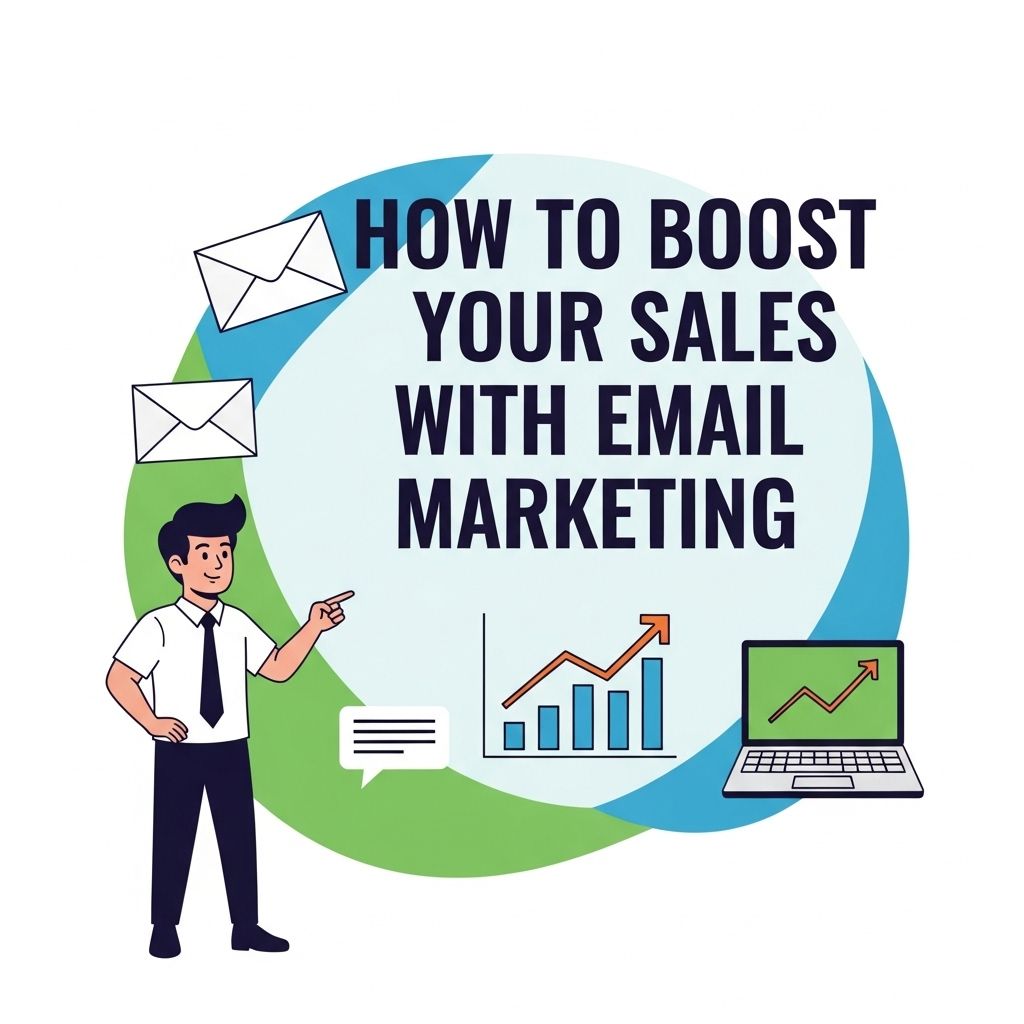
Email marketing is a powerful tool that can significantly boost sales when executed correctly. With a vast number of consumers checking their emails daily, businesses have a unique opportunity to engage with potential customers and foster relationships. In this article, we will explore various strategies to optimize your email marketing efforts, ensuring you not only reach your target audience but also convert them into loyal customers.
Email marketing remains one of the most effective strategies for boosting sales in today’s digital landscape. By leveraging targeted campaigns and personalized content, businesses can engage their audience more effectively and drive conversions. To explore actionable tips and strategies, check out the blog.
Understanding the Basics of Email Marketing
Before diving into advanced strategies, it’s crucial to understand the basics of email marketing. This form of digital marketing involves sending commercial messages to a group of people via email. Key components include:
- Email List: A collection of email addresses that you have permission to contact.
- Segmentation: Dividing your email list into smaller groups based on demographics, behavior, or interests.
- Content: The actual message you send, which should be relevant and engaging to your audience.
- Metrics: Monitoring performance through open rates, click-through rates, and conversion rates.
Building a Quality Email List
A successful email marketing campaign starts with a robust email list. Here are some effective strategies to build yours:
1. Create Lead Magnets
Lead magnets are incentives you offer to potential customers in exchange for their email addresses. Examples include:
- Free eBooks or Guides
- Discounts or Coupons
- Webinars or Online Courses
- Exclusive Content
2. Optimize Your Signup Forms
Your signup forms should be easily accessible and user-friendly. Consider these tips:
- Keep it short: Ask for minimal information (name and email address).
- Use clear calls-to-action (CTAs): Phrases like “Join Now” or “Get Your Free Guide” can encourage sign-ups.
3. Leverage Social Media
Promote your email list on social media platforms. You can:
- Share signup links in posts.
- Run contests or giveaways for followers who subscribe.
- Utilize Stories and live sessions to engage users and promote subscriptions.
Crafting Compelling Email Content
Once you have a solid email list, the next step is creating engaging content. Here are several best practices:
1. Personalization
Personalized emails have higher open and click-through rates. Use the recipient’s name and tailor content based on their previous interactions with your brand.
2. Write Engaging Subject Lines
Your subject line is the first thing recipients see. Make it enticing by:
- Keeping it short and to the point (50 characters or less).
- Using action words to encourage clicks.
- Creating a sense of urgency (e.g., “Limited Time Offer!”).
3. Use Visuals
Incorporate images, infographics, and videos to make your emails visually appealing. A well-designed email can significantly increase engagement. Ensure that:
- The images are relevant and enhance your message.
- You optimize images to minimize load times.
4. Include Clear CTAs
Your email should have clear action points. Whether directing recipients to buy a product, read a blog post, or download a resource, make sure your CTA stands out.
Segmentation and Targeting
Segmentation is vital to ensuring your emails resonate with the right audience. Consider the following methods:
1. Demographic Segmentation
Group your audience based on age, gender, location, and occupation. This enables you to tailor content suited for each demographic.
2. Behavioral Segmentation
Analyze user behavior, such as purchase history and browsing activity. This allows you to send targeted emails, such as:
- Re-engagement campaigns for inactive users.
- Follow-up emails post-purchase.
3. Engagement Level
Segment your list based on engagement levels: active, semi-active, and inactive. Design specific campaigns for each group to maintain interest and spark engagement.
Automation: The Key to Efficiency
Email automation streamlines your marketing efforts, saving time while ensuring timely communication with your audience. Here’s how to leverage automation:
1. Welcome Emails
Send an automated welcome email to new subscribers to introduce your brand and set expectations for future communications.
2. Drip Campaigns
Create a series of automated emails that educate and nurture leads over time. For example:
- Email 1: Introduction to your brand.
- Email 2: Highlight popular products or services.
- Email 3: Share customer testimonials or success stories.
3. Abandoned Cart Emails
These emails remind customers of items left in their shopping cart, often with an added incentive (e.g., a discount) to complete their purchase.
Monitoring and Analyzing Results
After executing your campaigns, it’s vital to analyze and optimize for better results. Key metrics to track include:
| Metric | Description | Importance |
|---|---|---|
| Open Rate | Percentage of recipients who open your email. | Indicates the effectiveness of your subject line. |
| Click-Through Rate (CTR) | Percentage of recipients who click on links within your email. | Measures engagement and content relevance. |
| Conversion Rate | Percentage of recipients who complete the desired action. | Directly correlates to sales impact. |
| Unsubscribe Rate | Percentage of recipients who opt-out of your email list. | Helps assess content quality and relevance. |
Conclusion
Email marketing, when done right, can significantly enhance your sales performance. By focusing on building a quality email list, crafting compelling content, segmenting your audience, leveraging automation, and analyzing results, you can create effective campaigns that not only reach but also engage your audience. Start implementing these strategies today, and watch your sales soar!
FAQ
What is email marketing?
Email marketing is a digital marketing strategy that involves sending emails to prospects and customers with the goal of promoting products, services, or content to increase sales.
How can I build an email list for marketing?
You can build an email list by offering incentives such as discounts, free trials, or valuable content in exchange for email subscriptions on your website and social media.
What are the best practices for email marketing?
Best practices include segmenting your audience, personalizing emails, optimizing subject lines, using clear calls to action, and regularly analyzing performance metrics.
How often should I send marketing emails?
The frequency of sending marketing emails can vary, but a common guideline is to send emails once a week or bi-weekly to maintain engagement without overwhelming your audience.
What types of emails can I send to boost sales?
You can send promotional emails, newsletters, product announcements, abandoned cart reminders, and personalized recommendations to effectively boost sales.
How do I measure the success of my email marketing campaigns?
You can measure success by tracking metrics such as open rates, click-through rates, conversion rates, and overall return on investment (ROI) from your email campaigns.