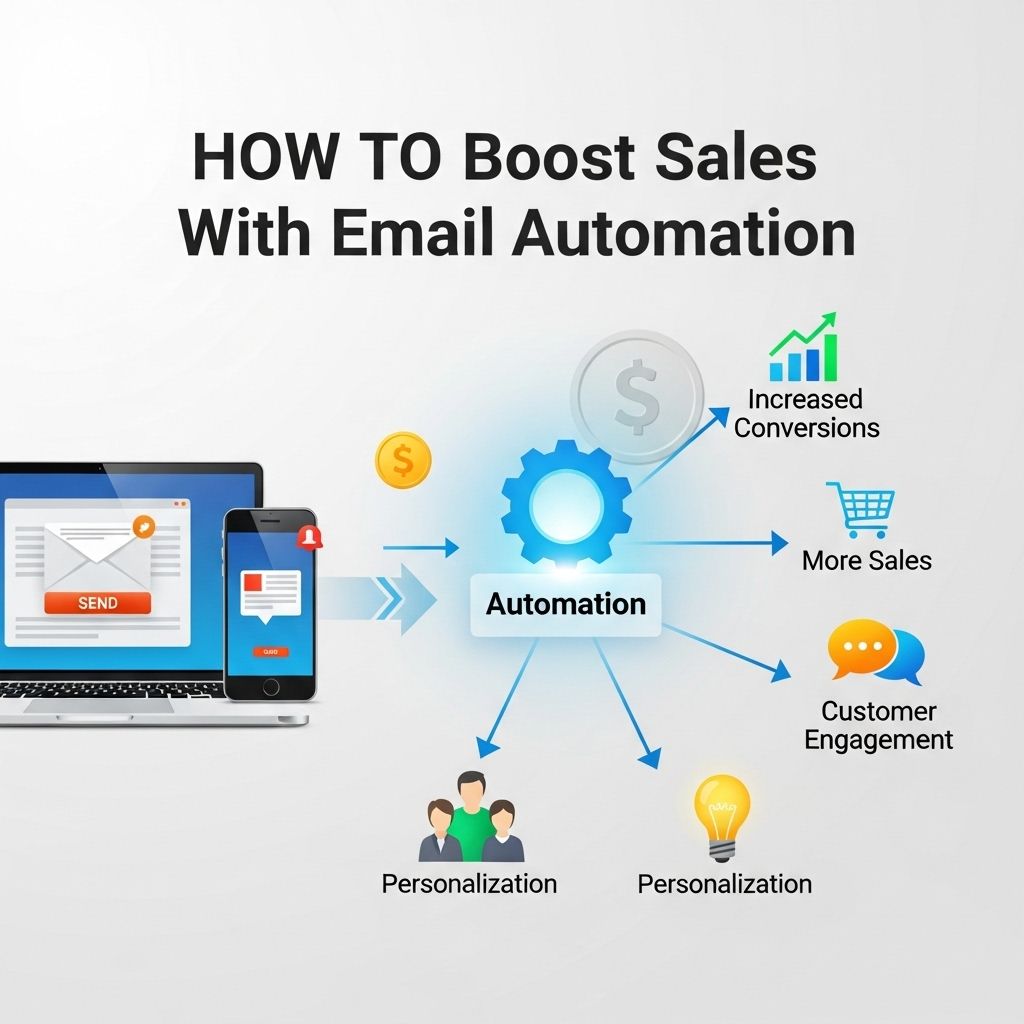
In today’s fast-paced digital world, email marketing remains a cornerstone for driving sales and fostering customer relationships. Automation has transformed the way businesses engage with their audience, allowing for timely, relevant, and personalized communication. In this article, we’ll explore how to effectively boost sales through email automation, leveraging strategies, best practices, and tools to enhance your marketing efforts.
In today’s competitive landscape, leveraging email automation strategies can significantly boost your sales by efficiently nurturing leads and engaging existing customers. By implementing targeted campaigns and personalized messaging, businesses can enhance customer relationships and drive conversions with minimal effort. For those looking to elevate their marketing visuals, consider enhancing your branding with quality visuals; you can download mug mockups for free to showcase your products effectively.
Understanding Email Automation
Email automation refers to the use of software to send emails automatically based on predetermined triggers or schedules. This technology not only saves time but also enhances the effectiveness of your campaigns by ensuring that your messages reach the right people at the right time.
Key Components of Email Automation
- Triggers: Events that initiate the sending of an email, such as a user signing up for a newsletter or abandoning their shopping cart.
- Segmentation: Dividing your email list into specific groups based on demographics, behavior, or engagement levels to tailor your messaging.
- Personalization: Customizing email content based on user preferences and past interactions to increase relevance.
- Analytics: Monitoring performance metrics to assess the success of your campaigns and identify areas for improvement.
Benefits of Email Automation for Boosting Sales
Implementing email automation offers several advantages for businesses looking to boost sales.
1. Increased Efficiency
Automated emails save time and resources by eliminating the need for manual sending. This allows marketing teams to focus on strategy rather than repetitive tasks.
2. Improved Targeting
By utilizing segmentation, businesses can send tailored messages that resonate with specific customer groups, thereby increasing engagement rates.
3. Enhanced Customer Experience
Personalized emails create a more engaging experience for customers, making them feel valued and understood. This fosters loyalty and repeat purchases.
4. Higher Conversion Rates
Emails triggered by user actions, such as cart abandonment, directly target customers at critical decision-making moments, leading to higher chances of conversion.
Effective Strategies for Email Automation
To maximize the potential of email automation, consider implementing the following strategies:
1. Welcome Series
When new subscribers join your list, send a series of welcome emails to introduce your brand, highlight your products or services, and encourage first-time purchases. A typical welcome series might include:
- Welcome email with brand story
- Discount offer for the first purchase
- Follow-up email with product recommendations
2. Cart Abandonment Emails
According to research, around 70% of online shopping carts are abandoned. Automated cart abandonment emails can help recover lost sales by gently reminding customers of what they left behind. Consider including:
- Product images and descriptions
- Incentives such as discounts or free shipping
- A clear call to action
3. Win-Back Campaigns
Identify customers who haven’t engaged with your brand for a while and create a win-back campaign aimed at rekindling their interest. This could include:
- Exclusive offers
- Personalized content based on previous purchases
- Surveys to understand their needs
4. Product Recommendations
Utilize customer data to send personalized product recommendations. This can be based on:
- Previous purchases
- Browsing history
- Items frequently bought together
Choosing the Right Email Automation Tools
There are numerous email automation tools available, each with unique features. Here’s a comparison of some popular options:
| Tool | Best For | Key Features |
|---|---|---|
| Mailchimp | Small to medium businesses | User-friendly interface, advanced analytics |
| HubSpot | Inbound marketing | CRM integration, lead nurturing |
| Klaviyo | E-commerce | Powerful segmentation, predictive analytics |
| ActiveCampaign | Marketing automation | Advanced automation, contact scoring |
Measuring Success: Key Metrics to Track
To determine the effectiveness of your email automation campaigns, it’s crucial to track key performance indicators (KPIs). Here are some important metrics to monitor:
- Open Rate: The percentage of recipients who open your email.
- Click-Through Rate (CTR): The percentage of recipients who clicked on one or more links in your email.
- Conversion Rate: The percentage of recipients who completed a desired action, such as making a purchase.
- Unsubscribe Rate: The percentage of subscribers who opt out of your email list.
Conclusion
Email automation presents a powerful opportunity for businesses to foster deeper connections with their audience and drive sales. By understanding the components of email automation, implementing effective strategies, and utilizing the right tools, you can create a streamlined process that not only saves time but also enhances customer engagement and boosts your bottom line. Start exploring the possibilities of email automation today and unlock the full potential of your email marketing efforts.
FAQ
What is email automation and how can it boost sales?
Email automation is the process of sending targeted emails to customers automatically based on their behavior or predefined triggers. It can boost sales by nurturing leads, providing timely offers, and enhancing customer engagement.
What types of emails can be automated to increase sales?
You can automate welcome emails, cart abandonment reminders, promotional offers, follow-ups after purchases, and re-engagement campaigns to encourage repeat business.
How do I set up an effective email automation strategy?
Start by segmenting your audience, defining your goals, creating personalized content, choosing the right email marketing tool, and regularly analyzing performance metrics to optimize your campaigns.
What metrics should I track to measure the success of my email automation?
Key metrics to track include open rates, click-through rates, conversion rates, unsubscribe rates, and overall ROI from your email marketing efforts.
How often should I send automated emails to maximize sales?
The frequency of automated emails should be based on your audience’s preferences and behavior. Generally, a balance of regular communication without overwhelming your subscribers is ideal.
Can email automation help with customer retention?
Yes, email automation can significantly enhance customer retention by keeping your brand top-of-mind, providing valuable content, and encouraging repeat purchases through personalized offers.