Introduction
The realm of UI/UX design is constantly evolving, fueled by rapid technological advancements and changing user expectations. As we step into 2025, designers are presented with an array of tools that not only streamline the design process but also enhance collaboration among teams and improve user experiences. This article explores some of the best UI/UX design tools to keep an eye on in 2025, focusing on their features, advantages, and how they contribute to the design workflow.
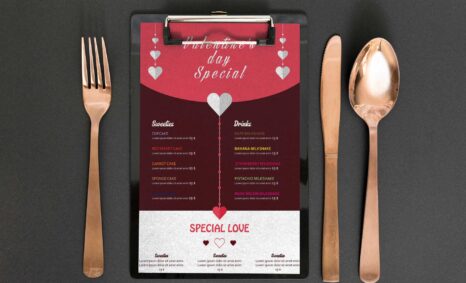
As we embark on 2025, the landscape of UI/UX design continues to evolve, making it essential for designers to select the right tools to enhance their creativity and efficiency. With a plethora of options available, it’s crucial to discover the best tools that will shape the future of design workflows. For instance, incorporating resources like realistic poster mockup scenes can significantly elevate the presentation of your work.
Why Choosing the Right Tool is Essential
In the fast-paced world of design, having the right tools can make a significant difference in productivity and creativity. The ideal UI/UX design tools should offer:
- Collaboration: Features that allow teams to work together in real-time.
- Flexibility: Compatibility with various platforms and adaptability to different projects.
- User-Centric Focus: Tools designed to help understand and cater to user needs.
- Integration: Ability to work seamlessly with other tools and applications.
Top UI/UX Design Tools for 2025
Below is a curated list of the most promising UI/UX design tools that are set to dominate in 2025:
1. Figma
Figma continues to lead the design industry with its robust features for interface design and prototyping. As a cloud-based tool, it allows multiple users to collaborate in real time, making it a favorite for teams.
- Features: Vector graphics, components, design systems, and plugin support.
- Advantages: Cross-platform functionality and ease of sharing designs with stakeholders.
2. Adobe XD
Adobe XD has solidified its place in the design toolkit for many professionals. Its integration with the Adobe Creative Cloud makes it convenient for those already using Adobe products.
- Features: Artboards, responsive resizing, and voice prototyping.
- Advantages: Ability to create interactive prototypes and simple sharing options.
3. Sketch
Sketch is a veteran in the design software arena, known for its user-friendly interface and extensive library of plugins. As it evolves, it continues to be a go-to for many UI designers.
- Features: Symbols, text styles, and an extensive plugin ecosystem.
- Advantages: Focus on vector graphics and a strong community of developers.
4. InVision
InVision excels in prototyping and collaboration. Its platform is particularly useful for creating high-fidelity prototypes that impress clients and stakeholders.
- Features: Interactive prototypes, collaboration tools, and real-time feedback.
- Advantages: Strong emphasis on user testing and feedback collection.
5. Axure RP
Axure RP is renowned for its capability to create complex prototypes. It is particularly suitable for projects requiring detailed interactions and conditional logic.
- Features: Dynamic content, conditional logic, and collaboration features.
- Advantages: Ideal for UX professionals focusing on functionality and interactivity.
6. Webflow
Webflow stands out as a design tool that allows designers to build responsive websites visually, eliminating the need for coding knowledge.
- Features: CMS capabilities, animations, and responsive design tools.
- Advantages: Bridging the gap between design and development, it empowers designers to publish their work directly.
7. Framer
Framer is a powerful tool for creating interactive prototypes. Its focus on design and code integration makes it popular among developers and designers alike.
- Features: Code components, animations, and a library of pre-designed elements.
- Advantages: Fast prototyping and seamless handoff to development teams.
8. Marvel App
Marvel App is an intuitive platform for UI design and prototyping. It is user-friendly and works well for teams new to design tools.
- Features: User testing, interactive prototypes, and design handoff capabilities.
- Advantages: Simple interface and excellent for collaboration.
9. Proto.io
Proto.io makes it easy to create fully interactive prototypes without coding. Its drag-and-drop interface is friendly for beginners.
- Features: UI libraries, gestural interfaces, and feedback tools.
- Advantages: Rapid prototyping and a focus on user experience.
10. UXPin
UXPin is a comprehensive platform that integrates both design and documentation. It allows designers to maintain consistency throughout the design process.
- Features: Design systems, documentation, and real-time collaboration.
- Advantages: Streamlined workflow from design to development.
How to Choose the Right Tool
Selecting the appropriate UI/UX design tool depends on various factors including team size, project scope, and specific needs. Here are some key considerations:
- Team Collaboration: If your team works remotely or in different regions, choose a tool that supports real-time collaboration.
- Budget: Assess the cost of subscriptions and choose a tool that offers the best value for your team.
- Learning Curve: Consider tools that are user-friendly and require minimal training for team members.
- Integration: Ensure that the tool can integrate smoothly with your existing workflow and other software.
The Future of UI/UX Design Tools
As we move forward, the landscape of UI/UX design tools will continue to evolve. Trends such as AI integration, improved user feedback mechanisms, and enhanced collaboration features will shape the future of design tools. Designers will benefit from tools that not only enhance productivity but also offer deeper insights into user behavior, enabling the creation of more intuitive and engaging experiences.
Conclusion
As we navigate through 2025, the tools available for UI/UX design offer exciting possibilities for creativity and collaboration. From Figma’s powerful prototyping features to Adobe XD’s seamless integration, designers have more options than ever to enhance their workflows. By choosing the right tools, designers can not only streamline their processes but also create more effective user interfaces that meet the ever-evolving needs of their audience.
FAQ
What are the top UI UX design tools for 2025?
The top UI UX design tools for 2025 include Figma, Adobe XD, Sketch, InVision, and Axure, all of which offer advanced features for design collaboration and prototyping.
How do I choose the right UI UX design tool for my project?
To choose the right UI UX design tool, consider factors such as team collaboration capabilities, ease of use, integration with other tools, and specific features that meet your project’s needs.
Are there any free UI UX design tools available in 2025?
Yes, there are several free UI UX design tools available in 2025, such as Figma’s free version, Adobe XD Starter Plan, and Penpot, which offer essential features for designers.
What features should I look for in a UI UX design tool?
Key features to look for in a UI UX design tool include prototyping capabilities, collaborative features, design systems, user testing tools, and compatibility with other software.
How can UI UX design tools improve team collaboration?
UI UX design tools improve team collaboration by offering real-time editing, comment functionality, version control, and shared libraries, enabling seamless communication among team members.
What trends are shaping UI UX design tools in 2025?
Trends shaping UI UX design tools in 2025 include increased use of AI for design assistance, enhanced collaboration features, and a focus on accessibility and user-centered design.