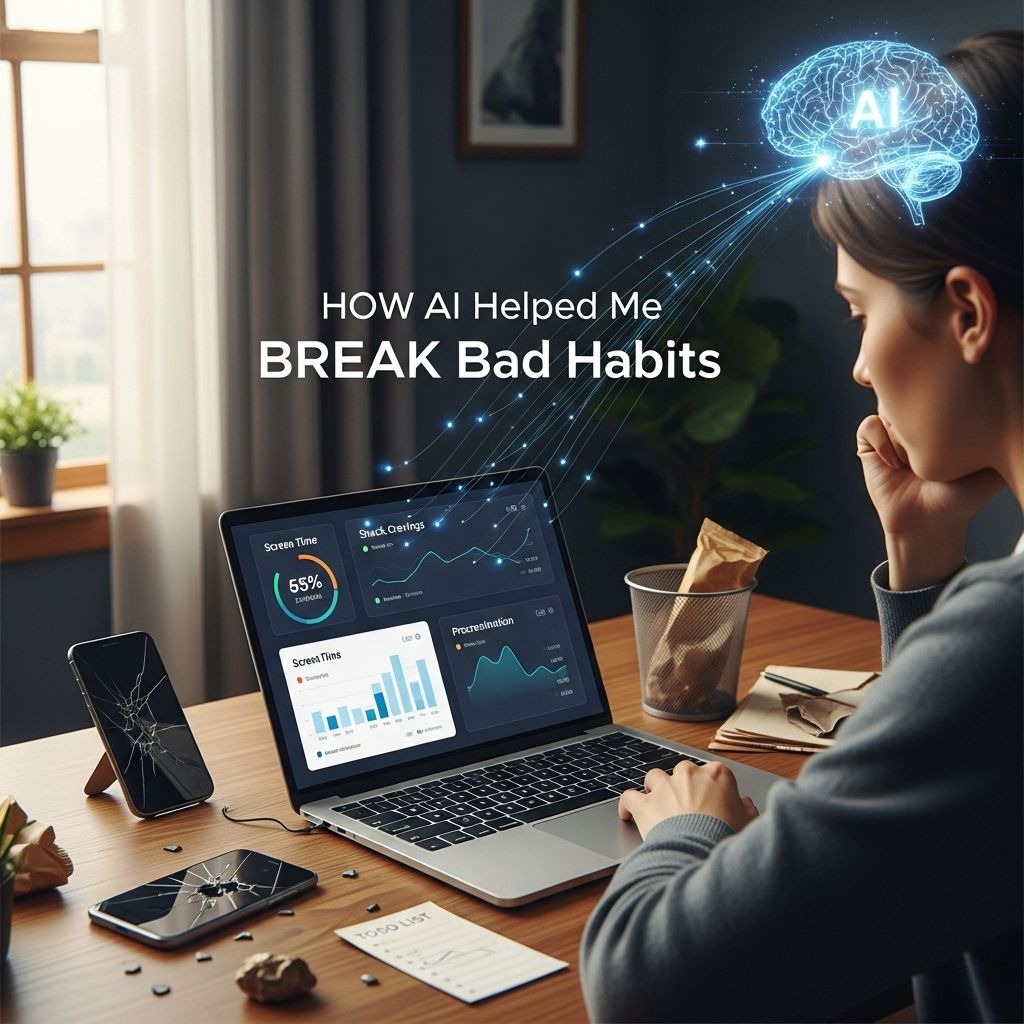
Breaking bad habits is a challenge many individuals face. Whether it’s procrastination, unhealthy eating, or excessive screen time, these habits can hinder personal and professional growth. In recent years, artificial intelligence (AI) has emerged as a powerful tool that can facilitate change and help individuals overcome these detrimental behaviors. This article explores how AI has transformed the way we tackle bad habits, enhancing our ability to adopt positive life changes.
Artificial Intelligence has revolutionized my approach to bad habits, providing insights and strategies that I never considered before. By analyzing my behaviors and suggesting personalized adjustments, AI has become a powerful tool in my journey toward self-improvement. To celebrate these changes, I’ve even customized my daily coffee experience—explore full wrap mug options that reflect my new mindset.
The Role of AI in Habit Formation
Understanding how habits form is crucial to breaking them. According to research in psychology, habits consist of a cue, a routine, and a reward. AI utilizes sophisticated algorithms to track these elements, providing insights that were previously difficult to gather. Here’s how AI can assist:
1. Data Collection and Analysis
- Smart Devices: Wearable devices, such as fitness trackers, collect data on physical activity, sleep patterns, and even dietary habits.
- Mobile Applications: Apps like MyFitnessPal and Habitica allow users to log their habits, providing valuable data for analysis.
2. Personalized Recommendations
AI systems can analyze user data and provide personalized recommendations to help users stay on track. For example, if an individual logs excessive screen time, an AI might suggest taking breaks or engaging in physical activity. The more data the AI collects, the better it becomes at offering tailored advice.
AI-Powered Tools for Habit Change
Several AI-powered tools have emerged that leverage this technology to help users change their habits. Below are some popular tools that have shown success:
1. Self-Improvement Apps
| App Name | Description | Key Features |
|---|---|---|
| Habitica | A gamified task manager that helps users build good habits and break bad ones. | Rewards for completing tasks; community challenges; character leveling. |
| Streaks | A habit tracker that encourages users to maintain streaks in their positive habits. | Customizable habit settings; visual progress tracking; reminders. |
| Noom | A weight loss app that uses AI to provide personalized coaching. | Behavioral psychology principles; food logging; community support. |
2. Virtual Coaching
AI-driven virtual coaching offers guidance through interactive platforms. These coaches can assess user behavior and provide feedback in real-time. Examples include:
- Woebot: A mental health chatbot that uses AI to offer cognitive-behavioral techniques.
- Replika: An AI companion that helps individuals express their feelings and work through emotional challenges.
Behavior Tracking and Feedback Loops
One of the key advantages of AI in habit formation is its ability to create feedback loops. Feedback loops can significantly enhance motivation and accountability. Here’s how it works:
1. Progress Monitoring
AI applications can monitor progress over time, helping users visualize changes in their habits. This can include:
- Daily, weekly, or monthly reports on habit adherence.
- Visualizations like graphs or charts to illustrate progress.
2. Real-Time Feedback
Instant feedback helps users adjust their behavior on the fly. This could mean:
- Receiving notifications when a user is close to falling back into a bad habit.
- Encouraging messages when a user achieves a small milestone.
Community and Support Systems
Harnessing the power of community can significantly aid in breaking bad habits. Many AI-driven platforms emphasize social interaction and support:
1. Peer Support
Apps like Strava or Fitbit offer a platform where users can connect with others who share similar goals. Support from peers can bolster motivation and accountability.
2. Challenges and Competitions
Some platforms host challenges that encourage users to compete against friends or other users. This competitive element can make the process of breaking habits more engaging.
Challenges and Considerations
While AI provides numerous benefits in breaking bad habits, there are challenges to consider:
1. Data Privacy
Given that many AI applications require personal data to function effectively, users must be mindful of their data privacy. Ensure that any app you use has robust privacy policies and security measures.
2. Over-Reliance on Technology
While AI can be a helpful tool, it’s crucial to remember that technology should augment human effort, not replace it. Users must remain proactive in their journey towards self-improvement.
The Future of AI in Habit Change
The future of AI in breaking bad habits looks promising. As technology advances, we can expect:
- Improved algorithms for even more precise habit tracking and recommendations.
- Integration with other technologies, such as virtual reality for immersive habit change experiences.
In conclusion, AI has proven to be a valuable ally in the quest to break bad habits. By leveraging data, personalized recommendations, and community support, individuals can pave the way for a healthier, more productive lifestyle. The key is to embrace these tools while remaining active participants in the process of change.
FAQ
How can AI assist in breaking bad habits?
AI can analyze your behavior patterns, provide personalized recommendations, and track your progress to help you break bad habits effectively.
What tools or apps use AI to help with habit formation?
There are several apps like Habitica, Noom, and Fabulous that use AI to offer tailored strategies and reminders for habit formation and breaking bad habits.
Can AI provide motivation to overcome bad habits?
Yes, AI can send motivational messages, track milestones, and offer rewards to keep you engaged and motivated in your journey to break bad habits.
Is AI effective in helping with emotional or psychological habits?
AI-driven solutions can offer support through chatbots or virtual coaches that provide cognitive-behavioral strategies to address emotional and psychological habits.
What role does data play in using AI for habit change?
Data helps AI understand your unique behaviors and challenges, allowing it to provide more accurate suggestions and monitor your improvement over time.
Are AI tools accessible for everyone looking to break bad habits?
Yes, many AI tools and applications are user-friendly and designed to be accessible for anyone, regardless of their tech-savvy level, to help them break bad habits.